Samples on Your Own Wood
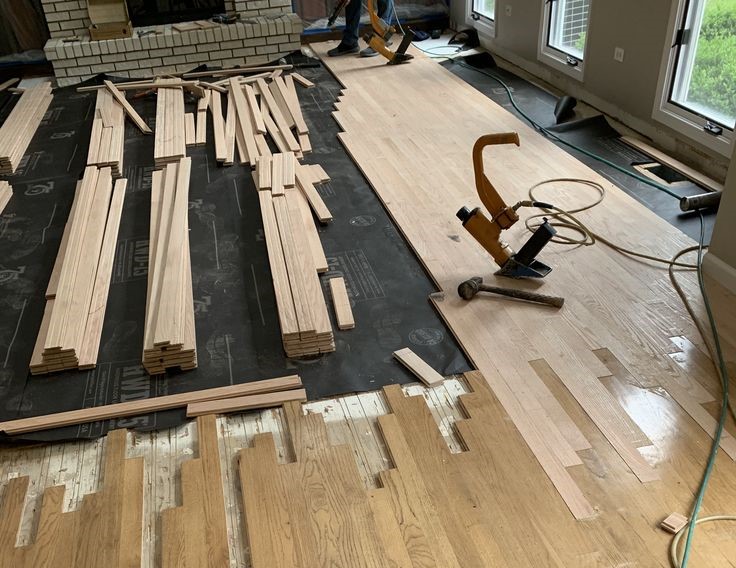
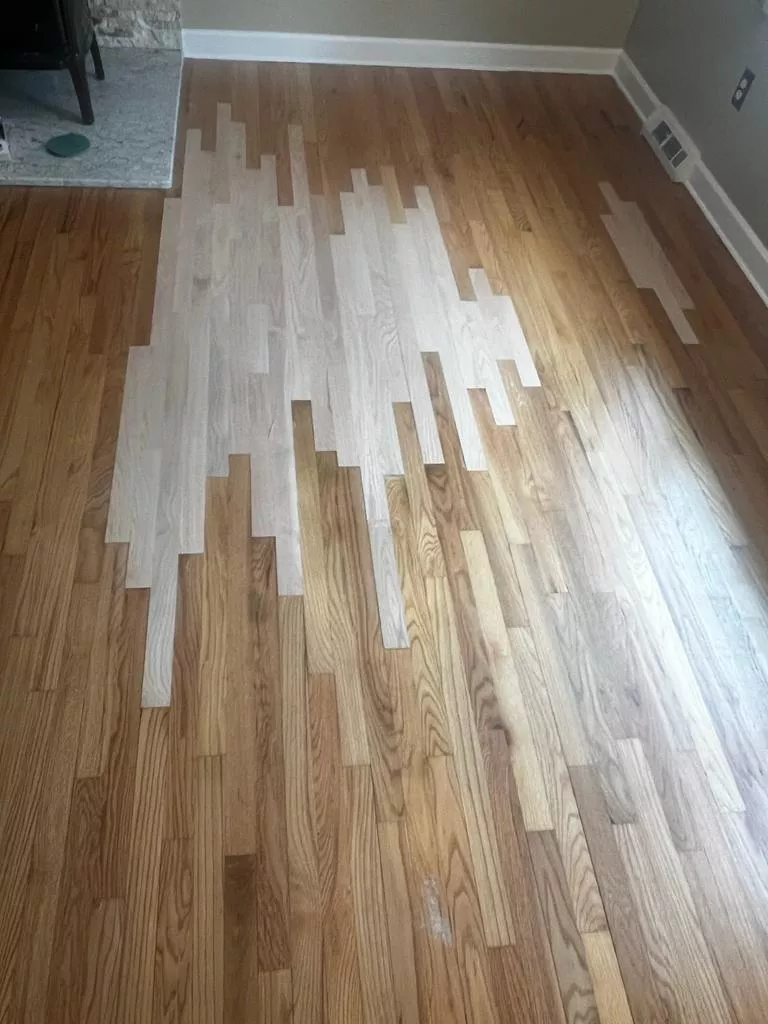
Use the Haverstraw floorboards in stain trials. A sample on unrelated wood cannot determine how your prepared floor can look.



Use the Haverstraw floorboards in stain trials. A sample on unrelated wood cannot determine how your prepared floor can look.

Fine sanding prepares the wood for even color uptake. Agree on a sanding sequence before samples are applied at the Thiells home.

Consistent application starts with preparation. Compare Garnerville test areas for uneven absorption prior to color approval.

Your one-year workmanship terms belong with the staining scope. Keep the chosen color and coating records for the Haverstraw floor.


 Get your Free In-Home Estimate
Garnerville's history includes surviving worker houses and reused industrial buildings, but a room's boards may come from different renovation periods. Test visibly different sections and repairs separately. Species, prior treatment and preparation influence color absorption, so applying the same mixture does not guarantee that all sections will look alike.
A recorded formula is a useful reference, not a substitute for a new test. A second Haverstraw property may have different wood, retained finishes and daylight. Apply a sample to that floor with the intended coating and compare it in place before approving the color for the second project.
Review both surfaces together but test each material. The stair treads, landing and room boards may differ in species, age or preparation. Access also matters where the stair serves the room being stained. Agree on the visible color relationship and a workable finishing sequence before treating either part of the interior.
The village's waterfront planning identifies Main Street buildings with historic architectural character. Where an interior project retains old woodwork, compare floor trials against the material that will remain and check any known preservation conditions with the owner. Test the actual boards and proposed topcoat; a reference photograph is a starting point for a color discussion, not the finished specification.
The GARNER Historic District leases former factory spaces to artists and other businesses. For a wood floor in a leased studio, first confirm which surface the tenant may alter and which approval the property owner requires. Test within an agreed area beside the woodwork being retained. Record the color and coating system, and coordinate room access around the studio's actual use.
The shared name does not identify one exact neighborhood or entrance. Give the street address and village or hamlet, plus the rooms and stair flights involved. That keeps the sample visit and later preparation connected to the correct property, especially when you are considering work at more than one local address.
A toning sample may reduce or balance some warmth, but stain does not change the species or grain structure. Evaluate the result on the actual red oak after the planned preparation. Compare it with the reference as a design goal and approve the achievable appearance without promising an identical material match.
Darker color can still show differences in grain, absorption and repaired areas. Test patches and replacement boards as part of the sample review. For an older Garnerville floor, assess earlier treatments and remaining sanding depth first; a color change should follow a viable preparation plan rather than attempt to conceal unresolved defects.