Samples on Your Own Wood
View the Hartsdale sample in daylight and under your usual lamps. Review it with the wood trim and hall boards you will keep.



View the Hartsdale sample in daylight and under your usual lamps. Review it with the wood trim and hall boards you will keep.

Prepare Fairview wood with a sanding sequence suited to the stain. Old patches and species need assessment before applying color.

Use prepared Greenville samples and agree on the application plan. Consistent sanding helps avoid uneven color and lap marks.

Retain your Greenburgh finish details and cleaning guide. Follow the chosen coating's care instructions once your work is complete.


 Get your Free In-Home Estimate
A photograph can communicate the direction you prefer, but screen settings and lighting change color. Approve a suitable sample on the wood involved.
Physical damage still requires assessment and preparation. A darker color is not a substitute for repairing an unsuitable surface.
They can be considered together, but species and existing condition may produce different results. Compare the actual materials before expecting a match.
Ask which products are proposed. A natural-looking result may use no stain at all, with appearance influenced by the protective coating and wood.
Before preparation starts. Identify adjoining rooms, thresholds and stairs so the sample and the final scope refer to the same areas.
Use the actual prepared wood to assess that direction. Existing color, grain and previous repairs can affect the appearance, so approve a sample rather than relying on a label or screen image.
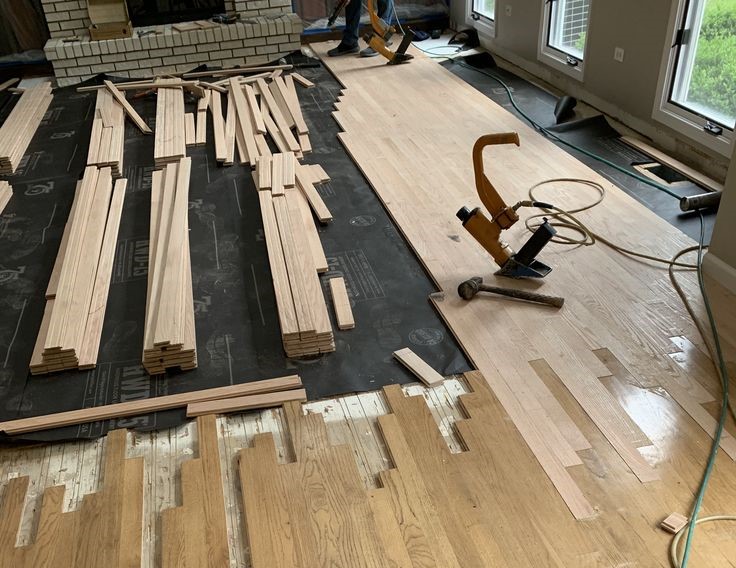
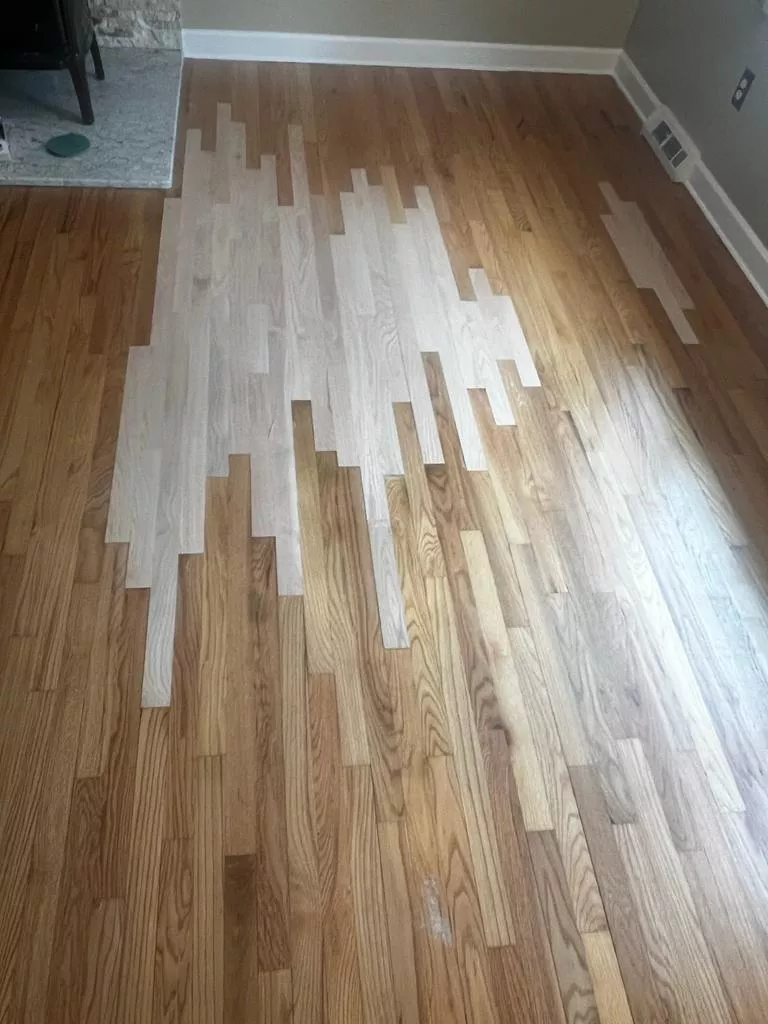
Replacement pieces may differ from surrounding boards. Sampling those areas helps reveal differences before you approve one color across the room.
Ask for the coating product and application scope to be identified. Stain color and the protective finish are separate choices; both matter when reviewing appearance and care instructions.