Samples on Your Own Wood
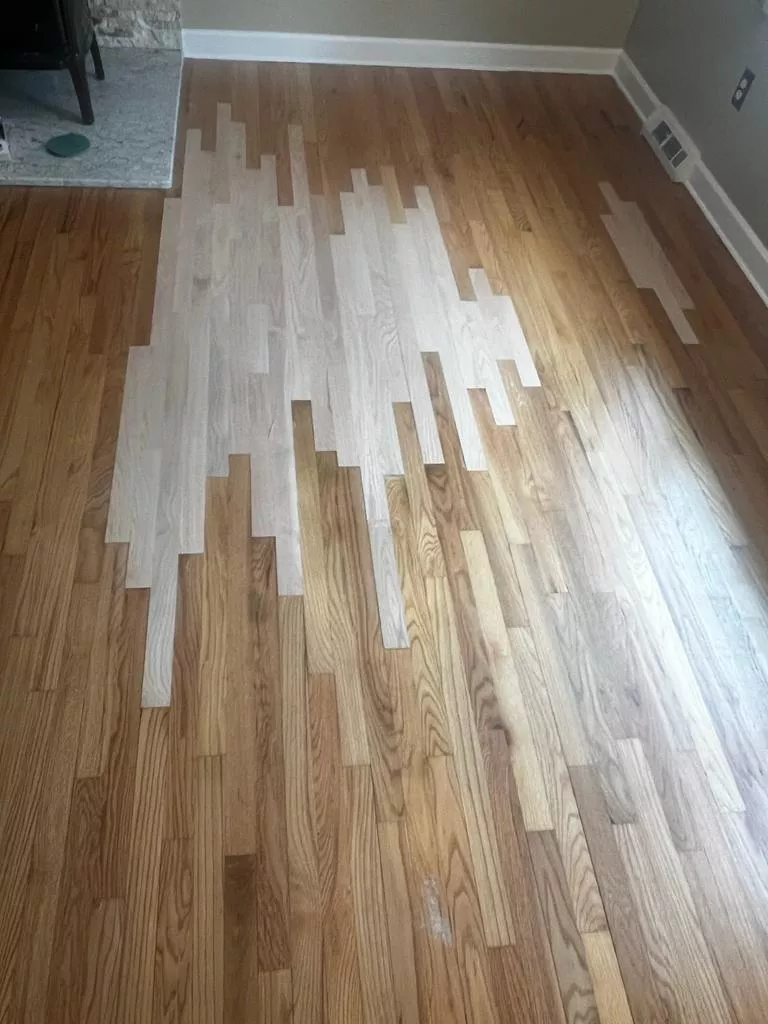
Glen Cove stain samples should use the prepared wood. Check original boards and old repairs before selecting the final shade.



Glen Cove stain samples should use the prepared wood. Check original boards and old repairs before selecting the final shade.

Fine-grit Glen Cove preparation needs the selected stain's sanding sequence. Check the prepared boards before sample application.

Control Glen Cove stain application with consistent sanding work and overlap technique. Review the chosen product directions.

Keep the Glen Cove staining workmanship warranty for its one-year term. Record your approved stain color and coating specification.


 Get your Free In-Home Estimate
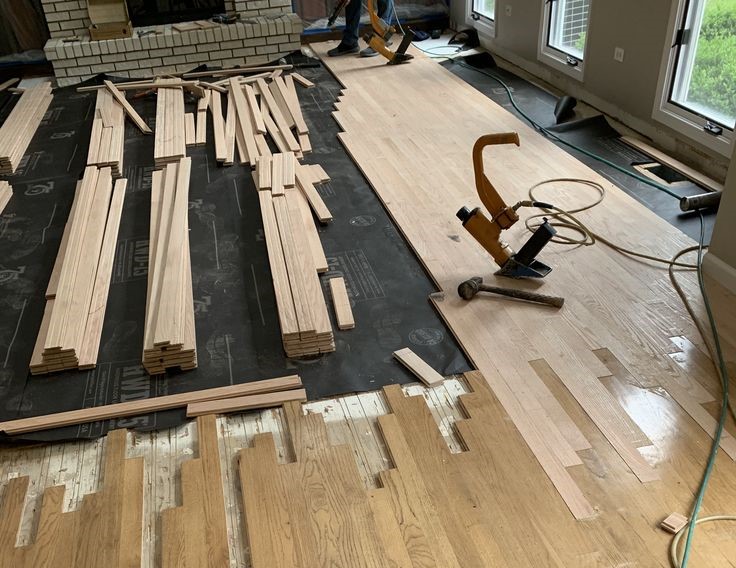
Glen Cove's planning documents recognize the Orchard's historic character. If your room retains older doors or trim, identify those pieces at the sample visit and test the prepared floor beside them. Include patched boards and any newer floor sections in the comparison. A color decision can then account for the materials staying in the room rather than only a catalog image.
The city combines established neighborhoods with waterfront residential development. In a shared building, confirm the owner or management arrangements and provide access to each area being considered. Identify retained cabinets, doors and floor sections before sample preparation. Review the test under the lighting actually used in the unit and agree on the route through the rooms during subsequent coating.
The city's preservation guidance generally does not require commission approval for interior work that leaves the exterior appearance unchanged. If the property is designated or the renovation is broader, check the complete proposal with the Building Department. For the stain choice itself, record the existing interior features that will remain and compare the proposed color with those surfaces before full application.
Glen Cove asks residents to consult its Building Department about construction and identifies structural interior changes in its permit guidance. Where the floor work belongs to a larger renovation, establish the final rooms and retained features first. Plan sample approval after preparation and keep dust-producing work ahead of coating, with household access and return-to-use intervals defined for the selected finish.
A suitable clear coating can protect prepared wood without adding colored stain. Test that finish because its effect on color and sheen still changes the bare-wood appearance.
The wood's existing hue, preparation and chosen system influence the result. Approve a test on the actual boards before expecting a particular neutral or gray appearance.
The product mix and approved sample document the color decision. Save them with the selected protective finish, while recognizing that future repair wood can still respond differently.
Use separate tests when wood type or preparation varies. Compare the treads, landings and room floor together before approving their final color relationship.