Samples on Your Own Wood
View a dried sample on the prepared boards before authorizing the color. Discuss the detail at your Eltingville estimate. Ask which spaces can remain in use.



View a dried sample on the prepared boards before authorizing the color. Discuss the detail at your Eltingville estimate. Ask which spaces can remain in use.

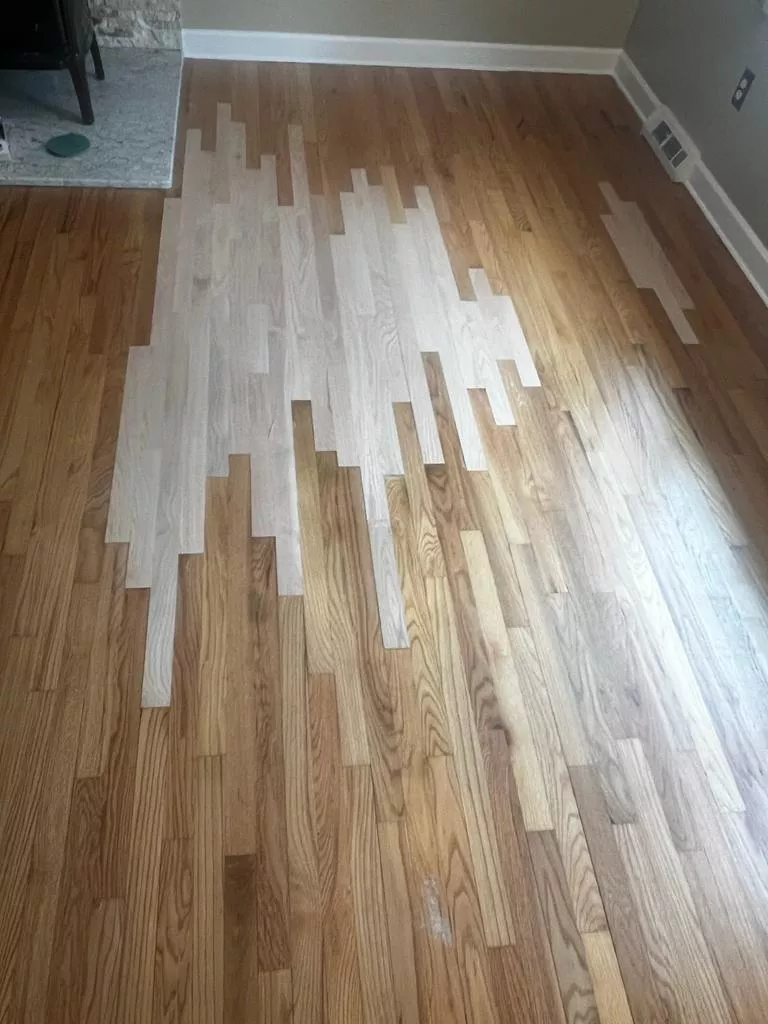
Compare repairs with neighboring boards under the proposed topcoat. Raise any access constraints at the estimate. Show the estimator the edge that matters most.

Check whether previous sanding leaves enough usable wood. The site visit can also establish which trim stays. Confirm the floor work area before scheduling a visit.

Near Amboy Road, keep the final color and protective finish details with your quote. Let the estimate account for the way you use the room.


 Get your Free In-Home Estimate
Start with old patches, surrounding trim and daylight. Show which surfaces should look related and where the room gets its strongest light.
Point out the connection to the main landing in the photos you send. Show which surfaces should look related and where the room gets its strongest light.
Ask how the installer will handle the prepared wood and its color response. The sample review accounts for daylight, retained woodwork and any earlier patches.
It may be possible if there is a suitable boundary. Decide how the new shade will meet adjoining rooms before the work starts.
Choose after seeing dried samples on representative boards. Review under both daylight and the room's normal lighting.
Photograph the floor, retained trim and any areas with different color. Mention prior sanding or repairs if you know about them.
The wood's species, preparation and room light affect the sample. Test it beside the trim you intend to keep.
They can share a chosen color if testing is satisfactory. Different wood can still absorb it differently, so inspect both samples.