Samples on Your Own Wood
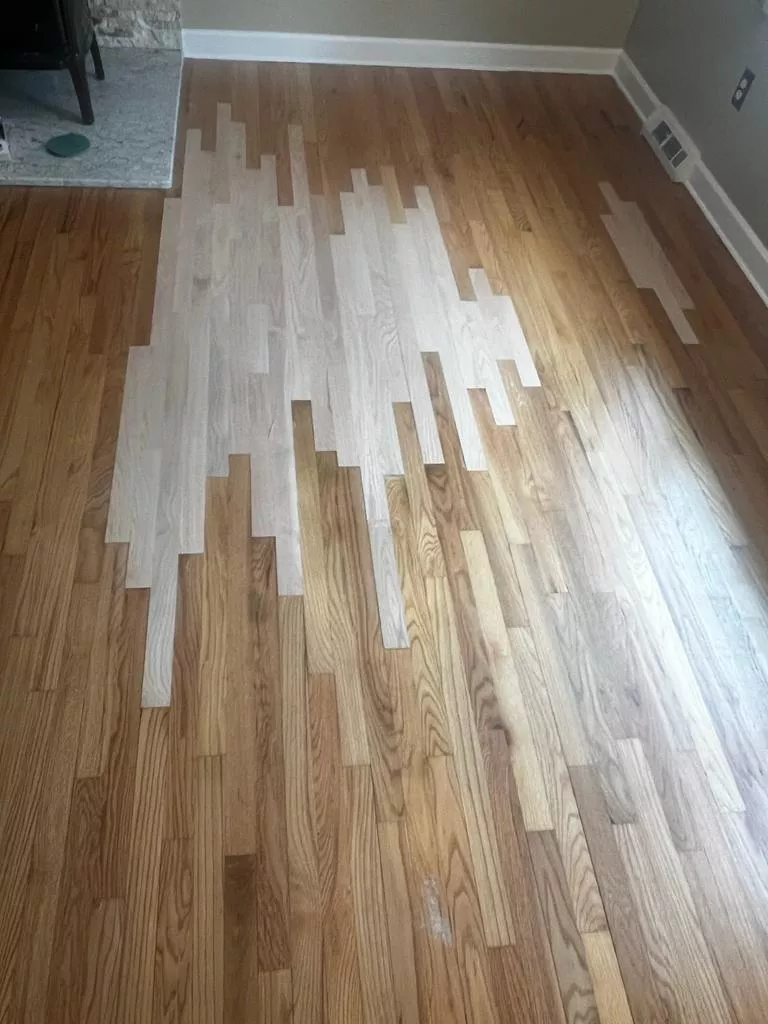
Apply stain samples on Arlington boards. Include a protective coat so color and sheen can be judged together before approval.



Apply stain samples on Arlington boards. Include a protective coat so color and sheen can be judged together before approval.

Fine sanding must follow a sequence for the wood and stain. Inspect scratch patterns prior to applying color to Arlington boards.

Blotches and lap marks can reflect preparation or application. Examine the surface and stain method prior to wider treatment.

Clarify the one-year staining workmanship coverage. Store the sample approval, finish specification and care rules with your scope.


 Get your Free In-Home Estimate
Because 10303 includes Arlington and Mariners Harbor, provide the full location and the rooms involved, along with photographs of the existing wood and adjacent finishes. The city profile covers different building uses, so explain whether you are working in an individual home or a managed unit. Identify prior patches and any known coatings. Those details support a practical visit and sample plan, but the wood's response must be tested on the actual prepared surface rather than inferred from the address or a stain photograph.
Housing around the shared postal area includes elevator and walk-up buildings, as HDC documents at North Shore Plaza. For a managed Arlington property, ask the owner or manager about contractor access and shared-area protection before arranging preparation. Within the unit, decide where furniture can stay and which routes will close during application and curing. Confirm those arrangements against the chosen coating's directions. The aim is to fit the stain work to the access actually available, without assuming another building's hours, permissions or material requirements apply to yours.
NYC allows specified minor work, including floor resurfacing, without a DOB work permit, while other obligations remain. An Arlington project that also changes supports or openings needs its wider scope reviewed by DOB or the design professional responsible. Keep those construction tasks separate from sanding, stain testing and coating in the proposal, and verify the home improvement contractor through city resources. Resolve preliminary work before approving the sample so subsequent repairs do not introduce untested wood into a color decision already made for the original boards.
Professional floor work has a private disposal obligation under NYC's construction-debris guidance. If preparation includes removing damaged wood or old coverings, state who collects that material rather than assuming household setout is available. Ask how finishing-product containers and application materials will be handled under their directions and the applicable rules, and keep them clear of occupied routes. A defined collection and storage plan helps preserve access and the prepared surface while color samples, full stain application and protective coating move through their separate stages.
The protective finish can affect apparent color and sheen. Approve a prepared and coated test using the intended system before treating the entire floor.
Assess the existing coating, available wood depth and preparation requirements first. A color change needs a suitable bare surface rather than an assumption about overcoating.
Record the formula, preparation method and approved sample. Use that specification for the agreed area, while recognizing natural variation between individual boards.
Its grain and undertone remain part of the result. Test any toning approach on the actual wood and agree on the achievable appearance before full application.