
Boards Matched to Yours
Matching an Ossining board involves more than color. Check species, profile, width and thickness before choosing repair wood for the repair.



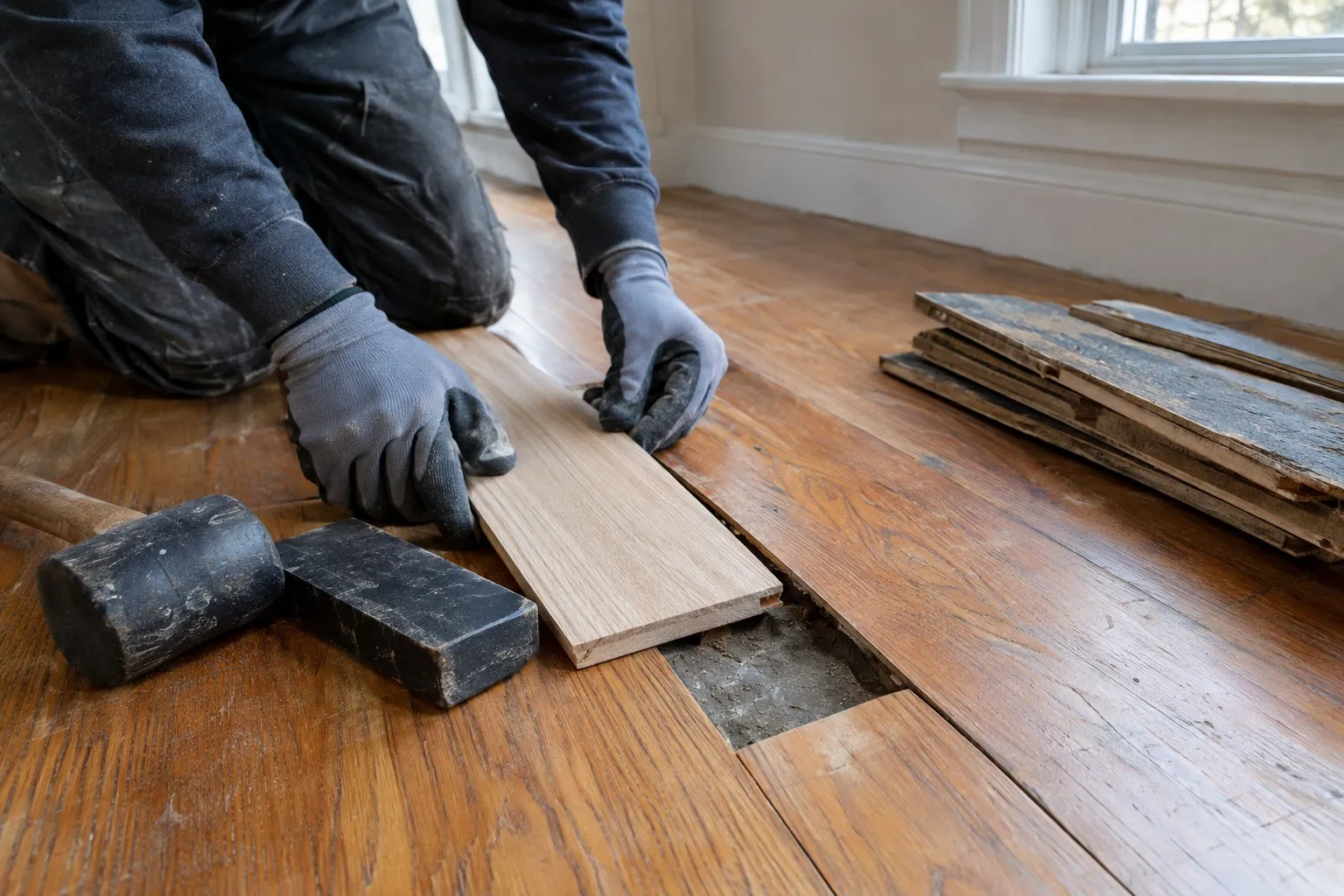

Matching an Ossining board involves more than color. Check species, profile, width and thickness before choosing repair wood for the repair.

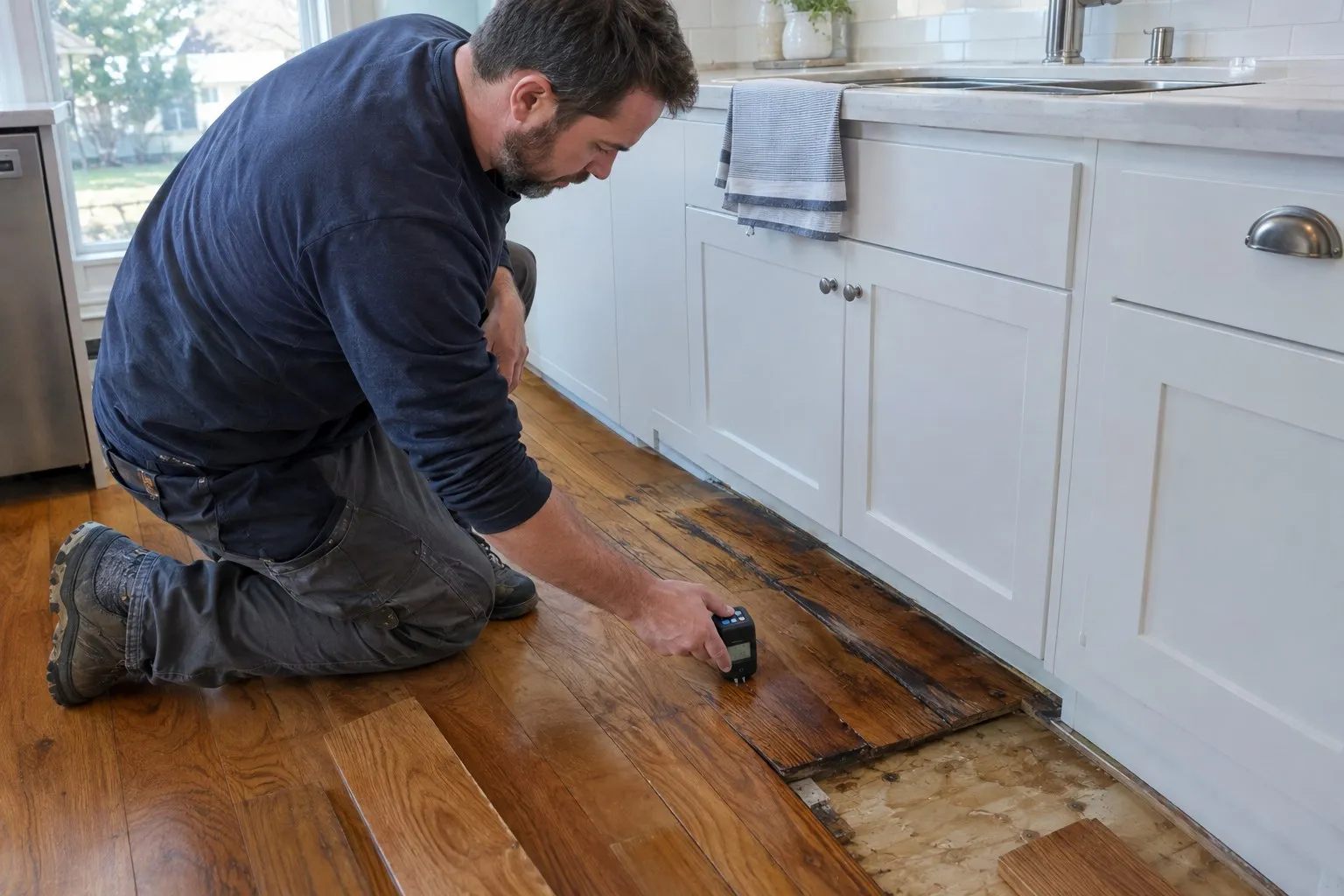
Moisture readings help assess damaged Ossining flooring. Locate and address the active sources before replacement wood closes the area.

Diagnose Ossining squeaks and gaps before planning repairs. Examine the support, fasteners and seasonal movement before choosing filler.

Keep the one-year repair terms with your Ossining scope. Ask about workmanship coverage and matching limits for existing wood.


 Get your Free In-Home Estimate
The Town of Ossining's building office serves the unincorporated area, often described as Town Outside, rather than the villages. Confirm the property location before asking about repairs that extend beneath the visible boards. Describe the supporting damage and proposed work separately from surface patching. That helps the office address the actual alteration and lets the flooring estimate distinguish wood replacement, base repairs and any finishing that follows.
The village's construction rules distinguish finish work and certain repairs from changes involving structure, required access or building systems. A damaged board does not describe the entire scope if support below it is affected. Provide the findings and proposed repair to the village building office for direction. The flooring proposal should show the visible patch and supporting work as separate items before a replacement date is agreed.
It does not by itself establish the town or incorporated boundary. Briarcliff Manor lies partly in Ossining and partly in Mount Pleasant, with a larger postal area. Use the precise address and municipal identification for an insurance claim, renovation inquiry or repair proposal. Include the damage date and photographs with that location so every party is discussing the same property, affected rooms and proposed repair limits.
Its public guidance lists floor refinishing among examples without a building-permit requirement and directs owners to ask about uncertain or broader work. If a damaged floor involves supporting structure, a stair change or other alterations, describe those separately from sanding and coating. Have the village building office consider that complete scope. The repair estimate can then identify replacement boards and finishing boundaries without implying all restoration is surface work.
Find and resolve the moisture source, then evaluate the affected boards and supporting floor. A replacement patch should follow that assessment rather than hide an active problem.
Depth of staining and the remaining wood matter. Inspect the affected boards before assuming another sanding will remove the mark.
A flawless visual blend is not assured. Older wood can differ from replacement stock in milling, species, color and sheen; decide what finish area and appearance are acceptable before the repair.
No. Assess movement, support and seasonal conditions before choosing fasteners, filling or replacement. The visible symptom alone does not identify the solution.







