Boards Matched to Yours
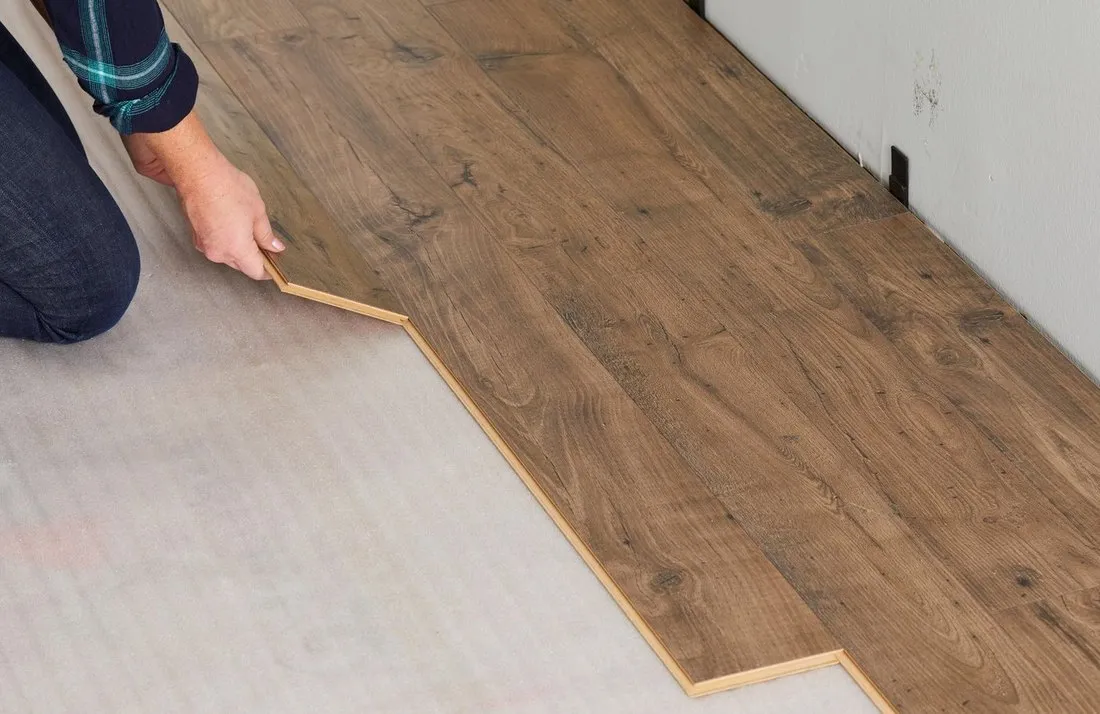
Match the replacement wood to the old floor’s width, milling and thickness. Review it with stable boards and check how the finish will meet.



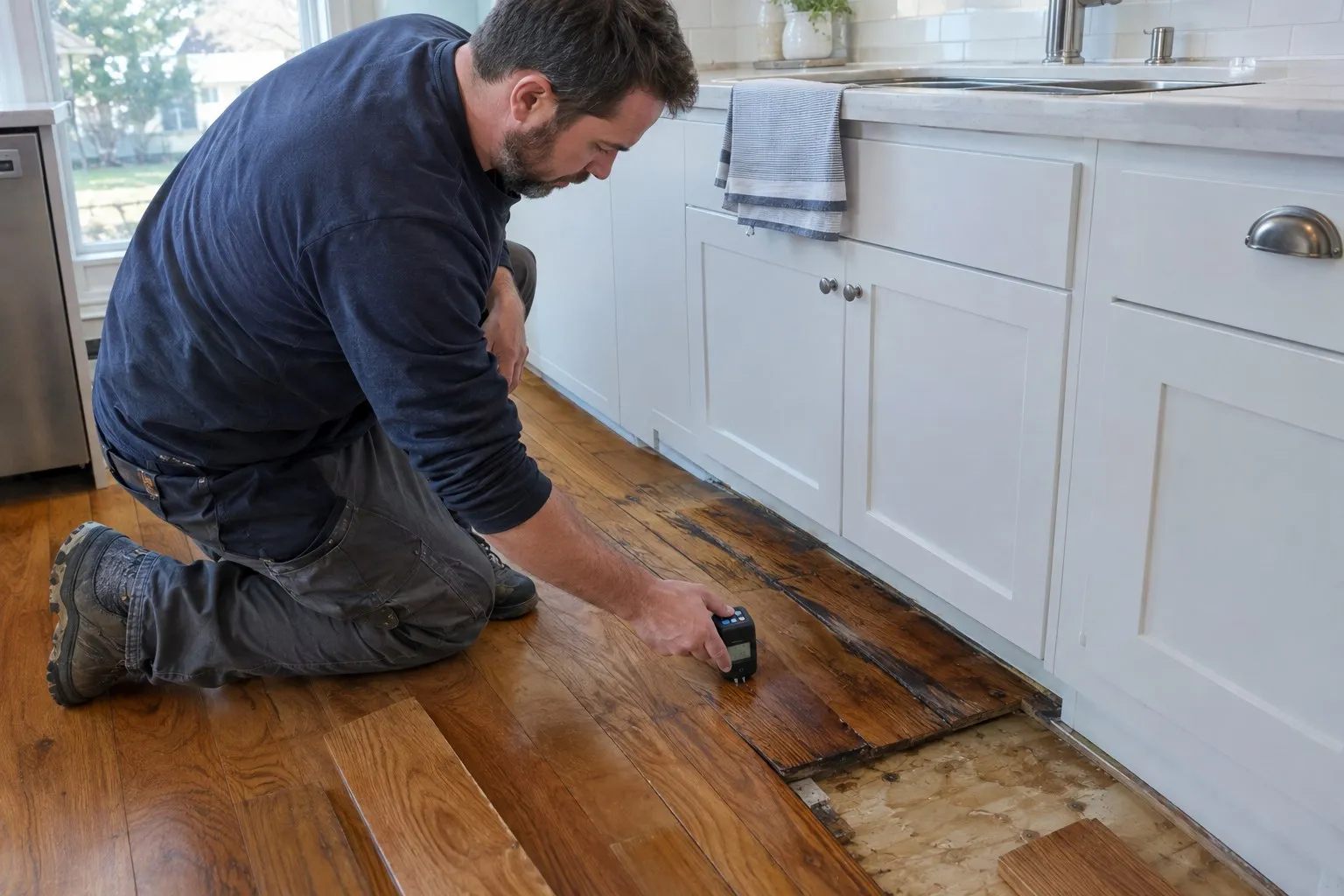
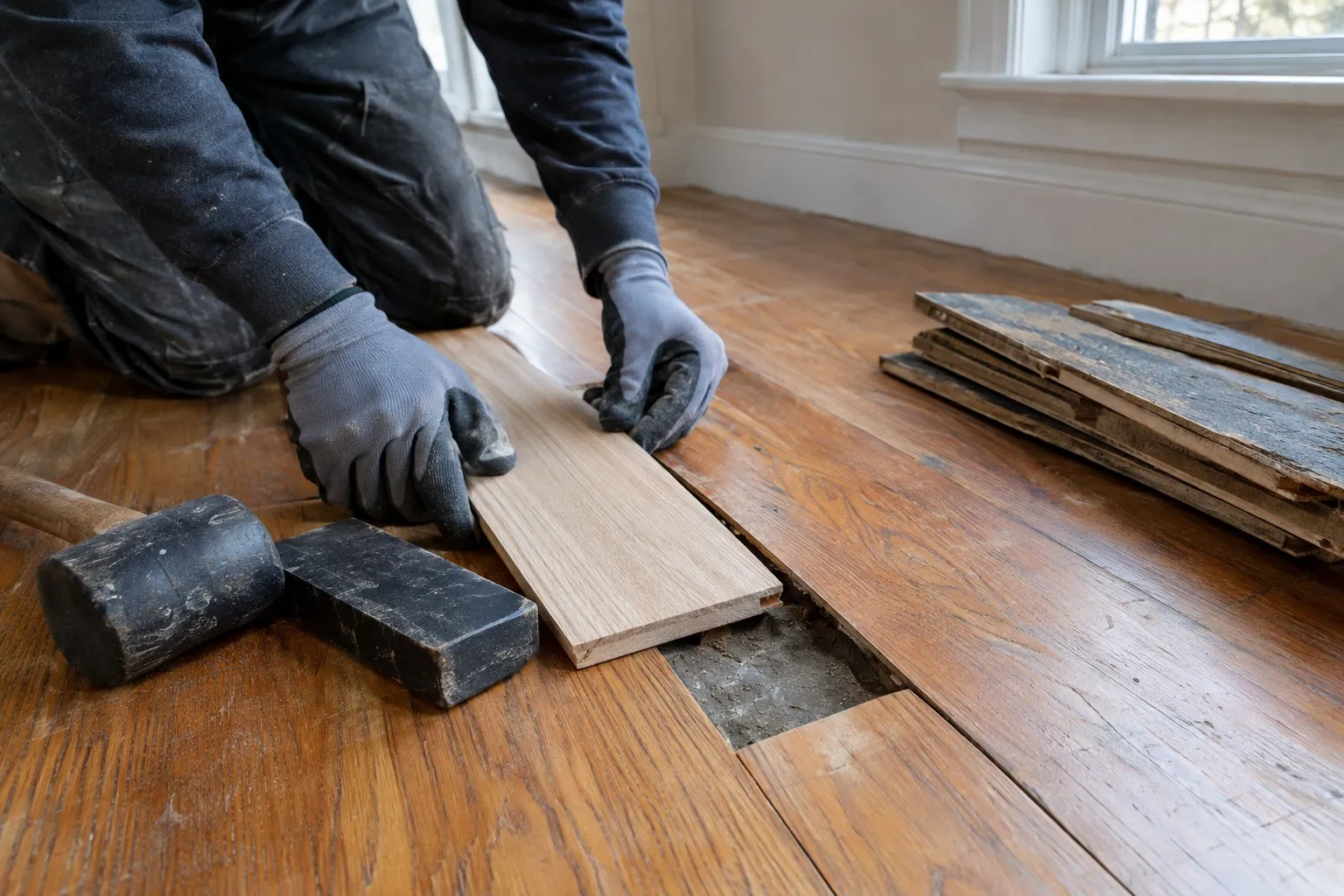

Match the replacement wood to the old floor’s width, milling and thickness. Review it with stable boards and check how the finish will meet.

Find the water source and address it ahead of a patch. Assess moisture in the damaged wood and its base before installation new boards.

Loose strips get screwed snug to the subfloor, and those dark winter gaps that collect crumbs get filled so the floor looks tight again.

Save the Jackson Heights repair proposal, patch drawing and coating notes. Keep your written terms for one-year fitting terms.


 Get your Free In-Home Estimate
In the historic district, show where individual parquet blocks move underfoot. Lift only the affected material needed to inspect the bed and compare replacement stock.
Review damage at both sides of the doorway around 35th Avenue prior to deciding how to handle sound boards near the casing. At Jackson Heights properties near 35th Avenue, bring a photo showing the bottom tread at a brick two-family entrance.
On site near 74th Street, compare where it shifts underfoot and access to the fastening off below.
Take photos for the Travers Park visit that help us review the support on both sides and the limit of the damaged material. Bring a clear photo of the angle from the elevator to the apartment entry.
For the 34th Avenue estimate, ask about how deep the mark reaches and one board replacement if necessary.
Near Jackson Heights, review correction of the moisture source. Check readings that meet the assembly limits as well.
Show changes across damp and dry periods during the 82nd Street visit. As well discuss any movement in adjacent boards.
Discuss the milling, thickness and species at your visit by Jackson Heights, then review a coated trial next to retained wood.