
Boards Matched to Yours
Amenia board matching starts with construction, dimensions and edge shapes. Compare replacement stock beside retained boards before fitting.



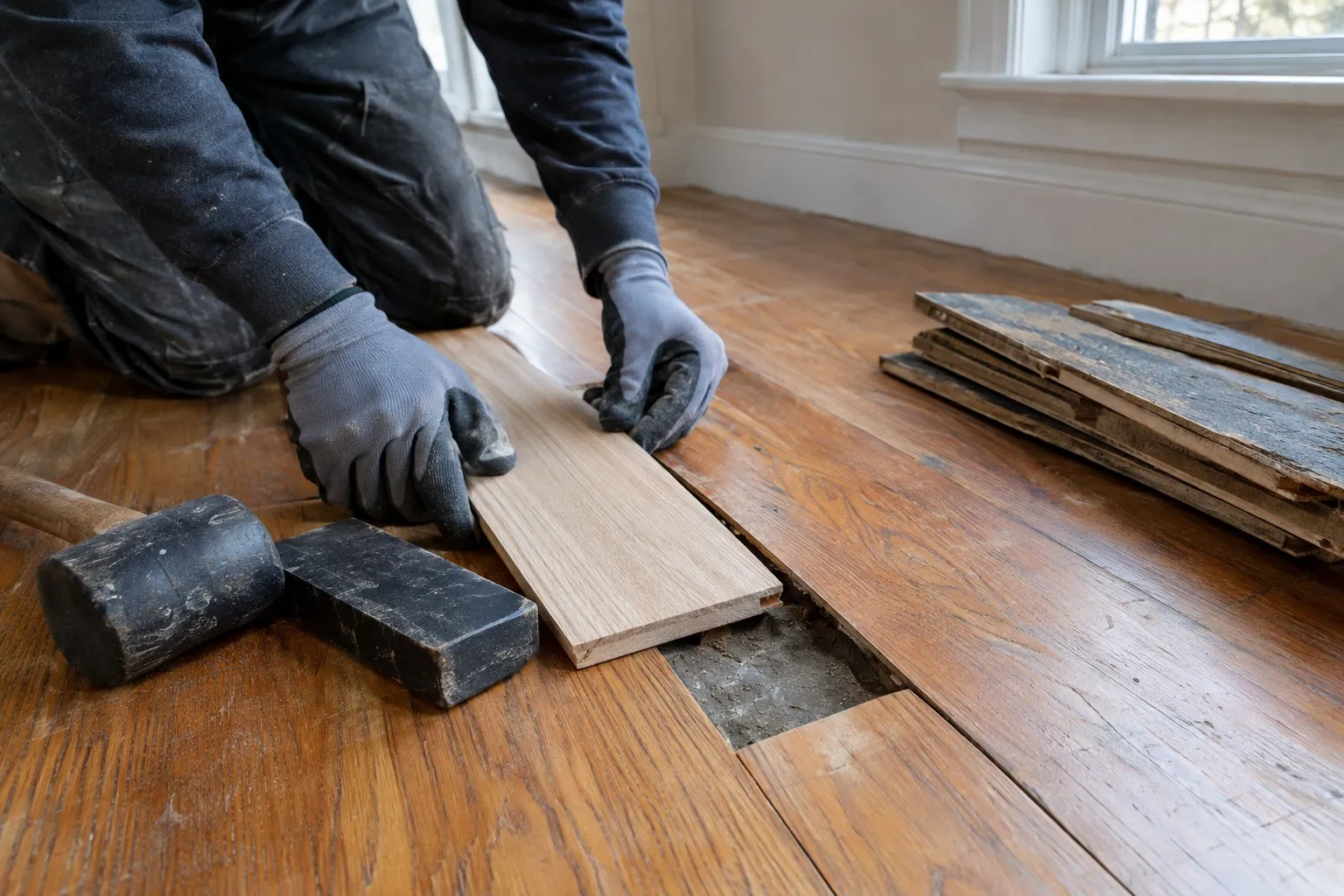

Amenia board matching starts with construction, dimensions and edge shapes. Compare replacement stock beside retained boards before fitting.

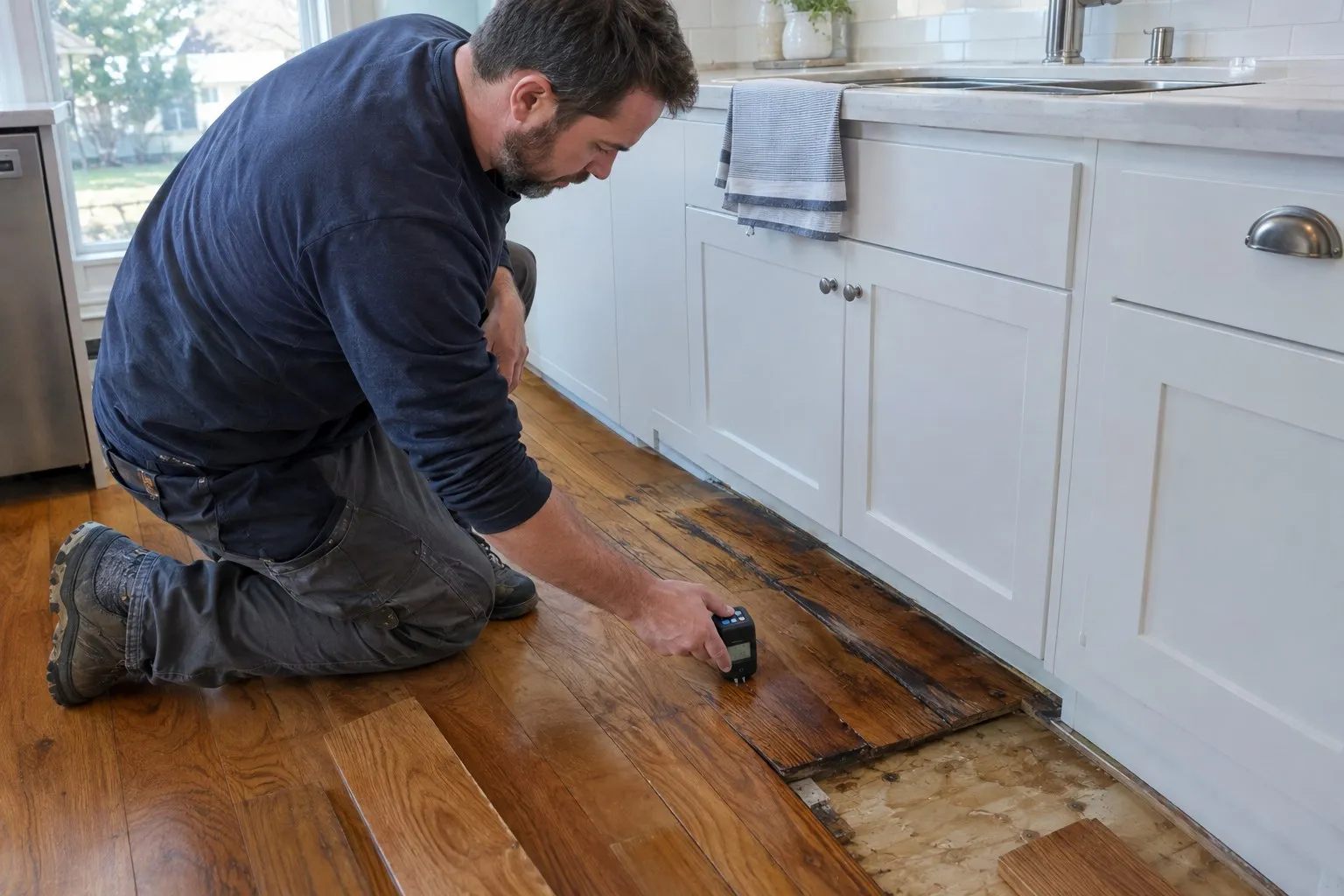
Measure moisture in the Amenia repair area and review its water history. Resolve active water entry before the replacement is approved.

For Amenia gaps or squeaks, check movement and support to choose a remedy. Separate changing gaps from fastening problems at assessment.

Amenia repair workmanship offers a one-year warranty. Save the patch boundaries, finish scope and care advice with your terms.


 Get your Free In-Home Estimate
Amenia's preservation policies recognize individual buildings and the character of its hamlets. For an older home, identify the sound flooring and architectural features you want to retain before defining the patch. Inspect the damaged area, existing board profile and available sanding depth. A limited repair may preserve more original material, but the condition of the wood and support must establish the scope; preservation goals alone cannot guarantee that every board is reusable.
Wassaic developed around industry and rail activity, and the town recognizes its present mixed-use character. If your residence has been adapted or extended, show the repair assessor where old and new rooms meet and where earlier patches are visible. Confirm the actual access route with the owner. Documenting those changes helps separate a local board defect from movement at a construction junction, without assuming the building's history identifies the cause of damage.
Amenia's rural planning districts include residential properties outside the compact hamlet centers. At your house, give the assessor the specific leak or water-entry history, including the affected level and any nearby alterations. Resolve the source and inspect the support before choosing replacement boards. The rural setting is useful for describing the property and access, but an individual moisture assessment must determine drying and repair requirements rather than a general assumption about the locality.
The town's building department reviews alterations and conversions. If inspection finds that the project extends beyond surface boards into structural support or a planned change of use, involve the appropriate professional and confirm the wider requirements before closing the floor. Keep that scope separate from the board patch and coating work in the estimate. The sequence should leave required construction accessible until it is ready to be covered by the repaired surface.
No. Discoloration can extend below the usable sanding depth, and odor may involve materials underneath. Assess the affected wood and support before promising restoration. Replacement may be needed for a defined area.
Species, milling, grain, age and finish absorption all affect appearance. Compare available stock with the retained floor and test the finish. A careful match can reduce contrast without guaranteeing that the repair becomes invisible.
First observe whether the gap changes and assess fastening and support. A permanent filler may be unsuitable for a joint that continues to move. Choose the remedy after the cause and expected movement are understood.
Discuss whether treatment will stop at the patch, a natural room boundary or a larger connected area. Existing wear and color can affect the result. Record the agreed boundary before replacement and finishing begin.







