Dustless Floor Refinishing
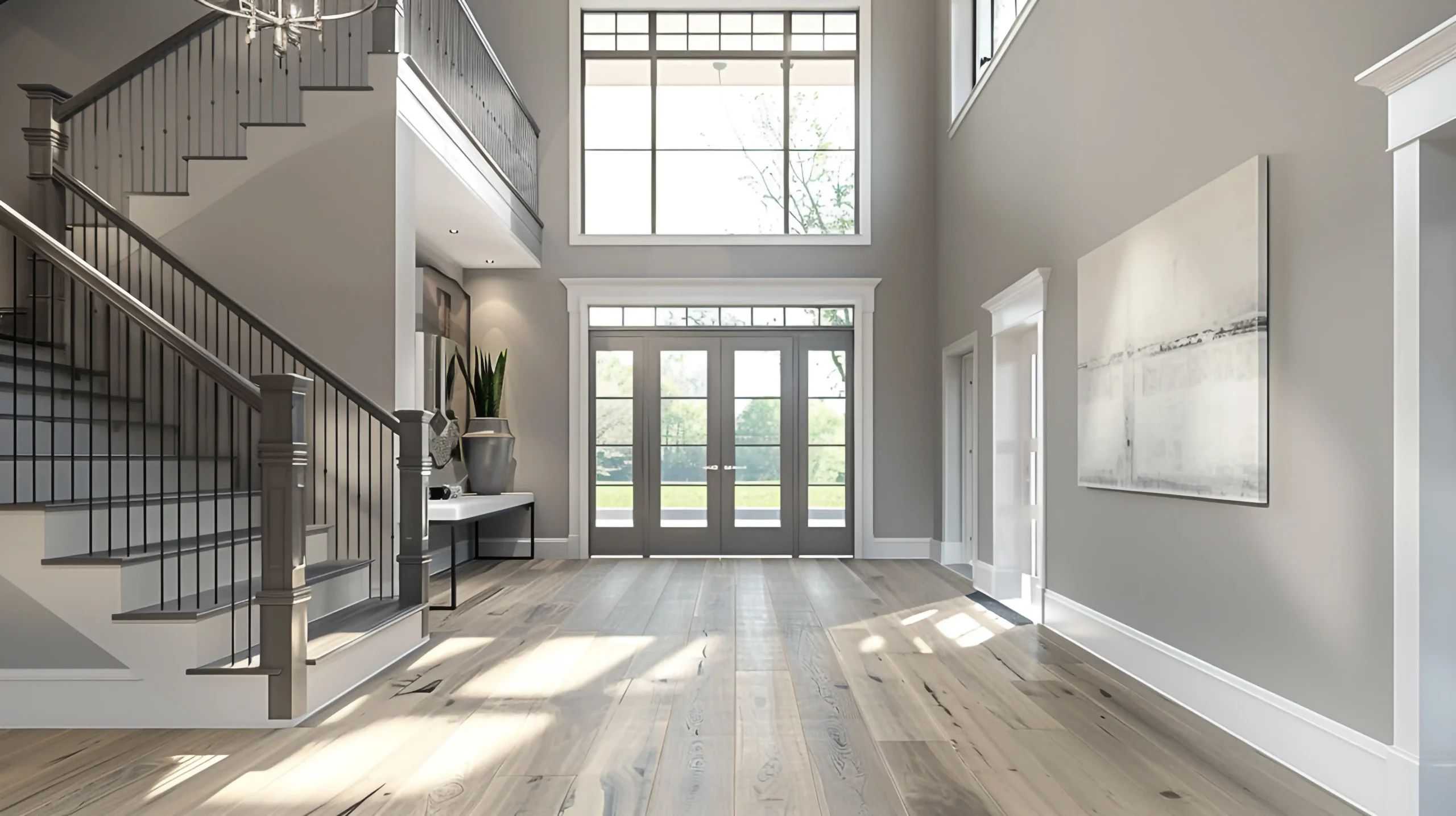
Years of damp boots, rolling toys and winter sun fade the surface to a flat gray. A fresh sand with three coats pulls the grain out again.



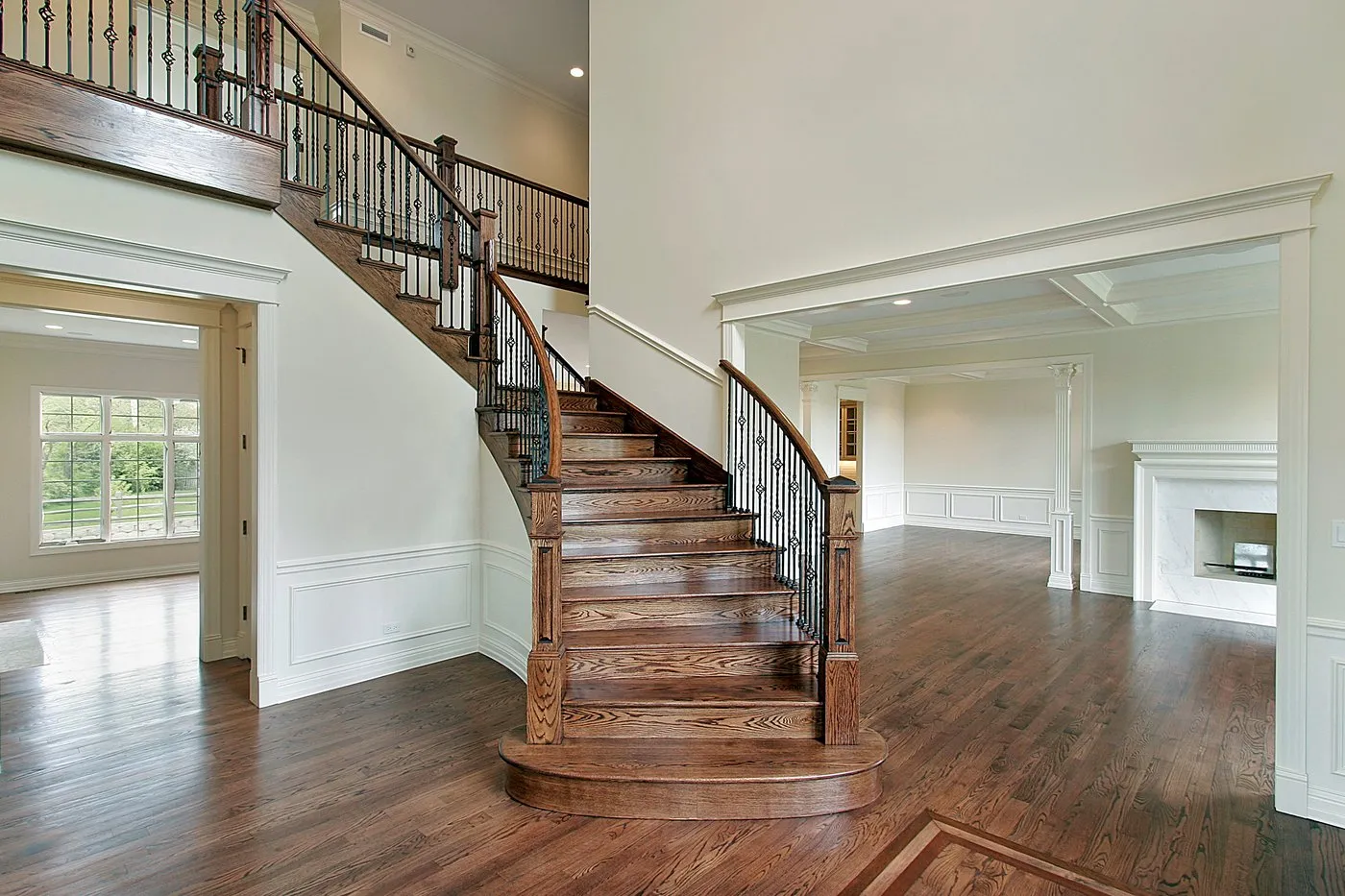
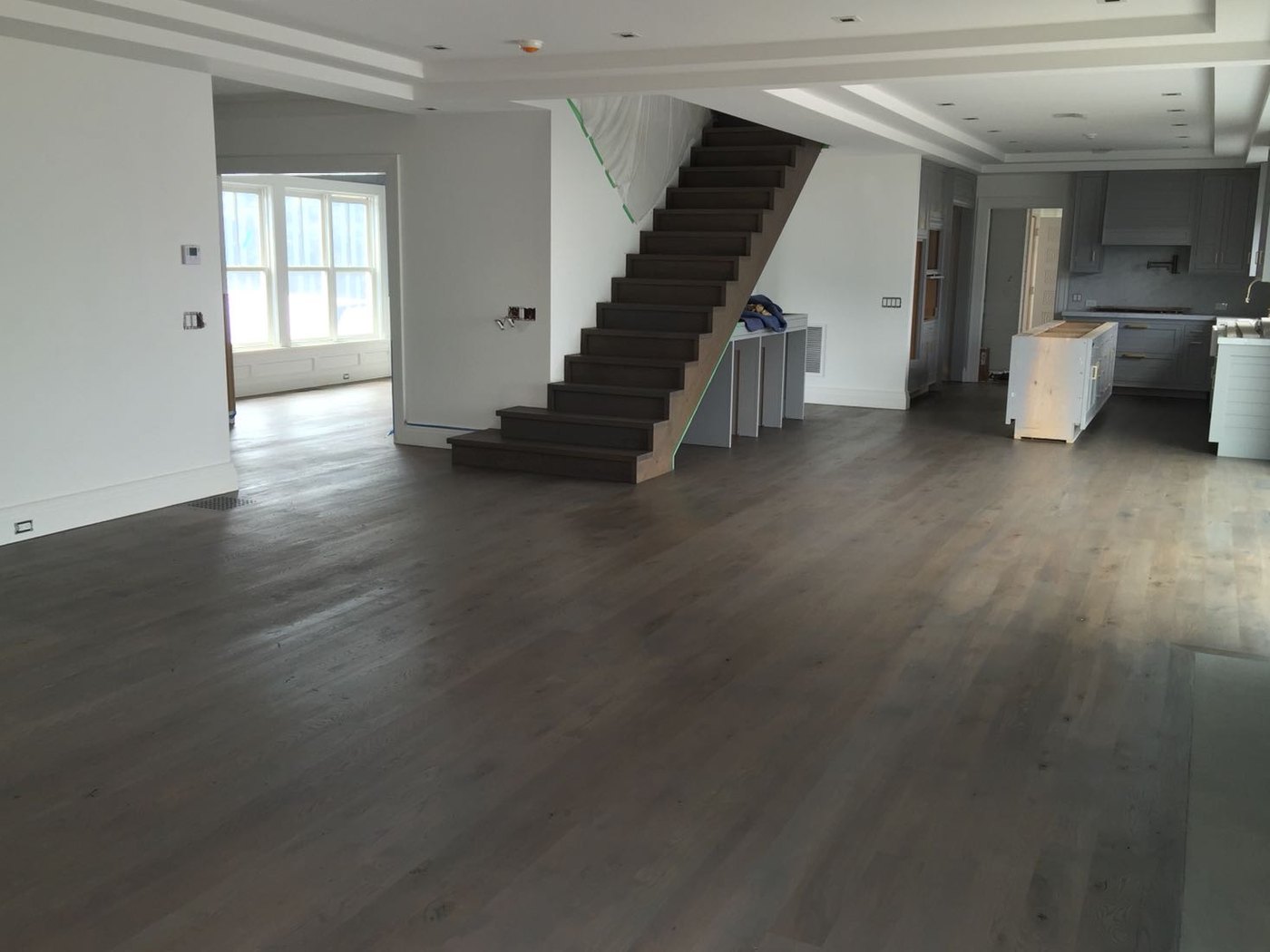

Years of damp boots, rolling toys and winter sun fade the surface to a flat gray. A fresh sand with three coats pulls the grain out again.

You choose the sheen from matte to satin, and both oak and maple accept stain well. The stain and sealer are stocked at our Long Branch, NJ warehouse.

Before the sander is plugged in, we brush stain tests on your boards, so the color you sign off on is the one that cures in your rooms.

Our workmanship is covered for one year. Every sander operator is on our payroll and trained to NWFA standards.

Boards in older lake cottages carry layers of varnish, so several passes are needed to reach clean wood.
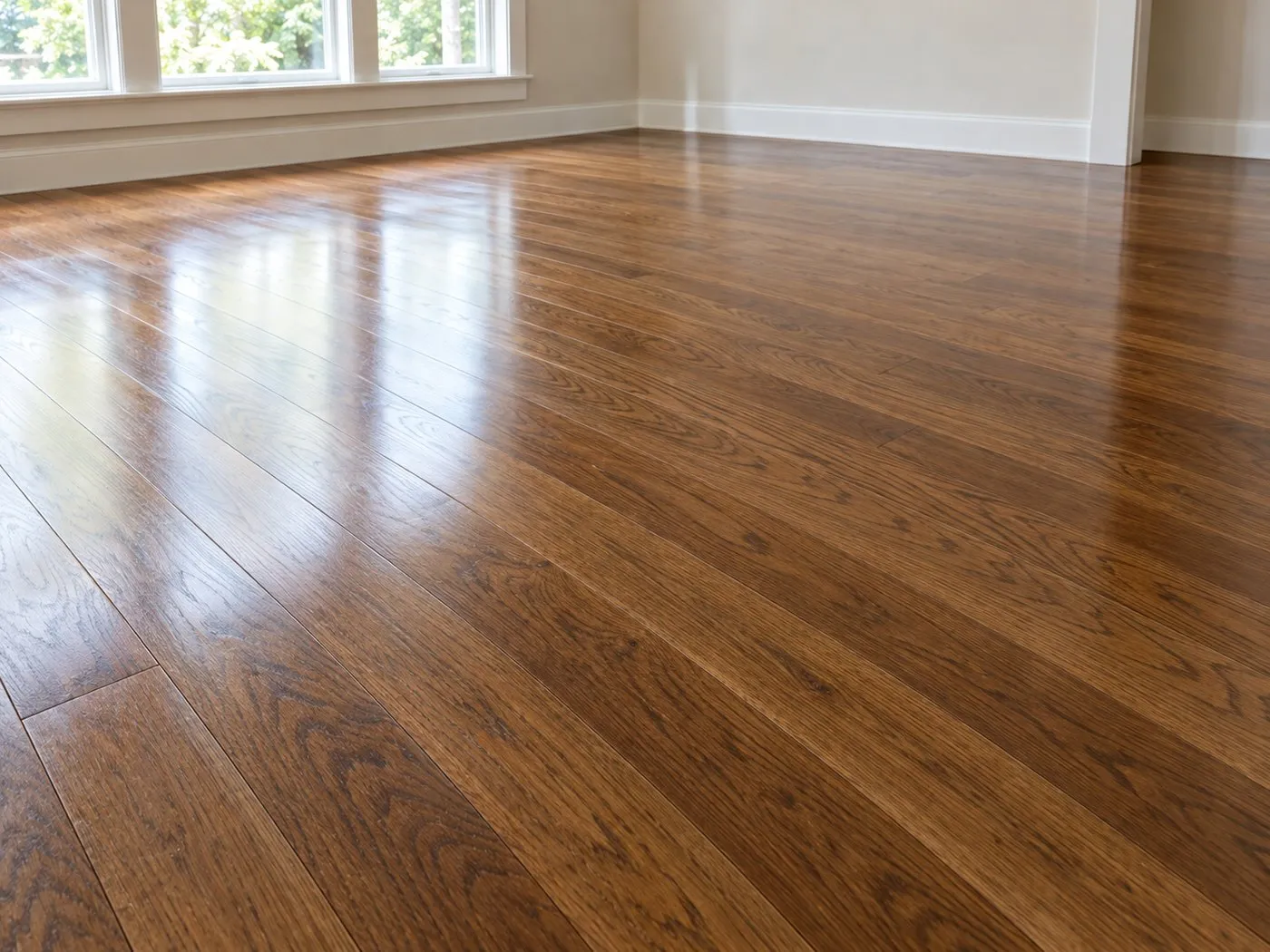
A walnut stain in a colonial dining room hides scratches left by years of chair legs.
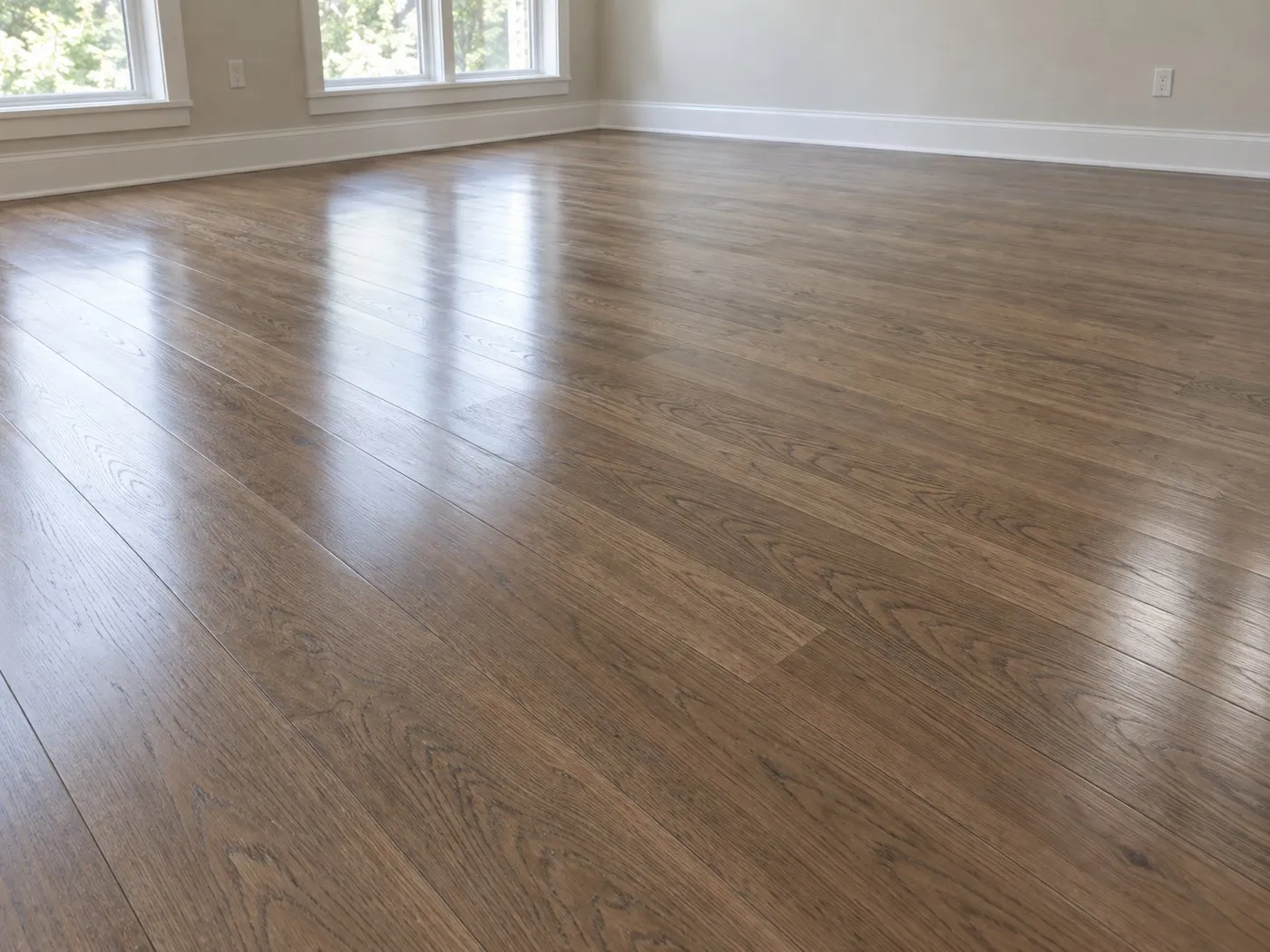
Three coats of polyurethane protect a busy hallway from wet boots and dragged gear bags.

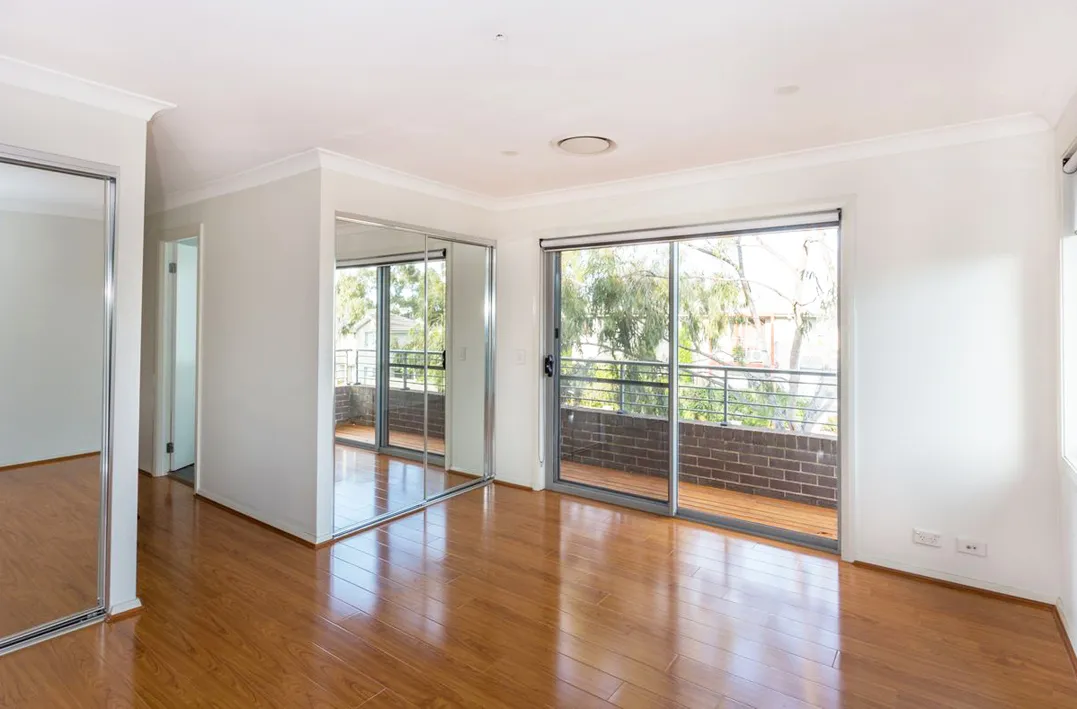
Lake glare fades stain near big windows, and a new coat evens the color along the whole wall.

Stair landings in older houses are sanded by hand where the machine does not fit.

We seal off rooms and use vacuum linked sanders, so the rest of the house stays lived in.


 Get your Free In-Home Estimate
Sanding to raw oak, staining and applying three coats comes to $2.50/Sq Ft. A floor that only needs a screen and recoat costs $1.00/Sq Ft.
Our sanders connect to vacuums, and doorways are taped with plastic. Afterward you wipe a thin film, not a coating on everything.
We test samples on your boards until the tone fits, because oak and maple soak up color differently.
Socks are safe the next day. Furniture returns after a few days of curing, and we spell out the timeline in advance.
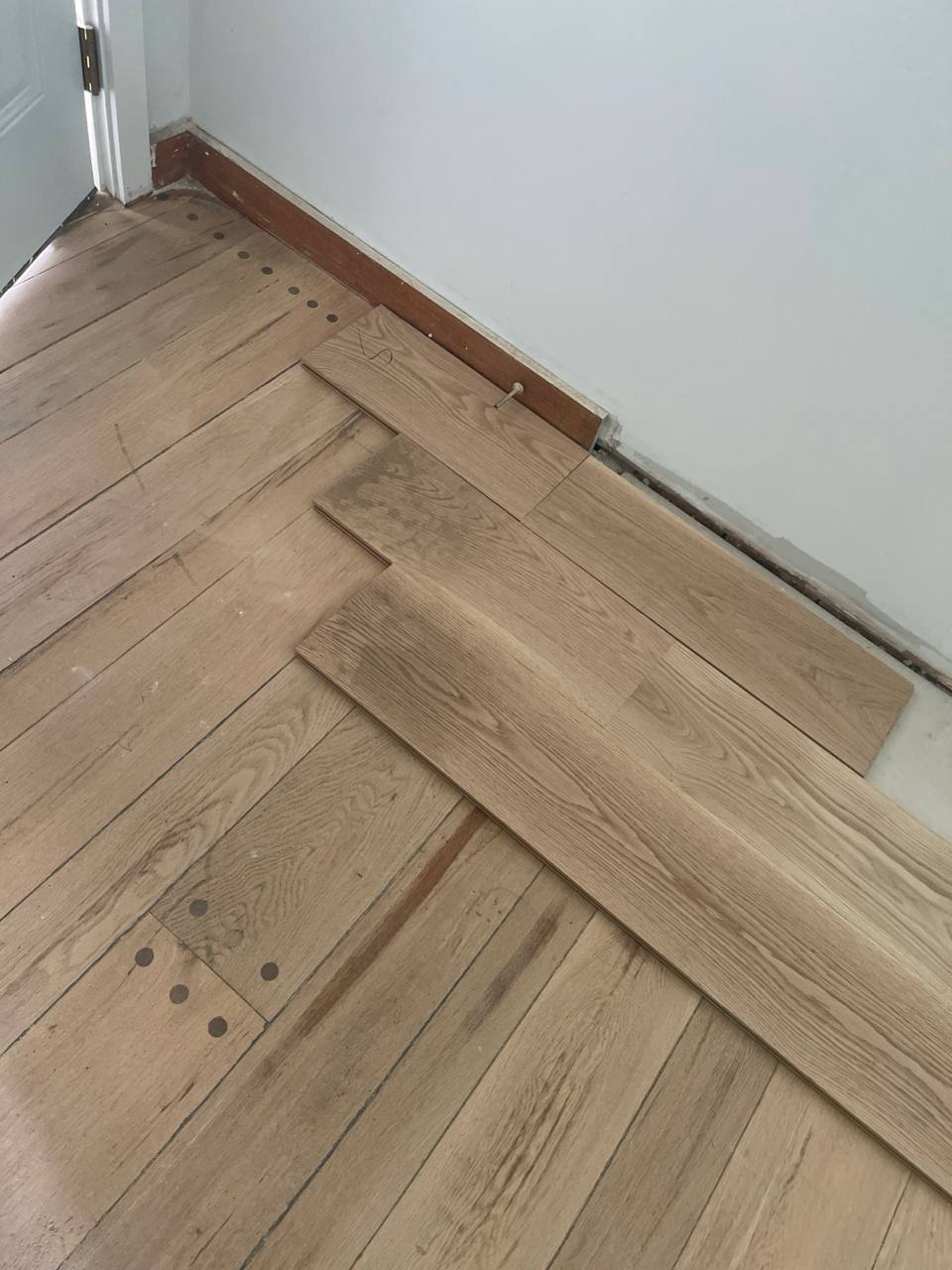
Yes, damaged strips come out first so the whole room sands and stains evenly.
Yes, we move it for $250 flat.
Yes, scheduling the estimate online removes $250.
Labor for twelve months from our own staff, and the finish makers cover the products.