Dustless Floor Refinishing
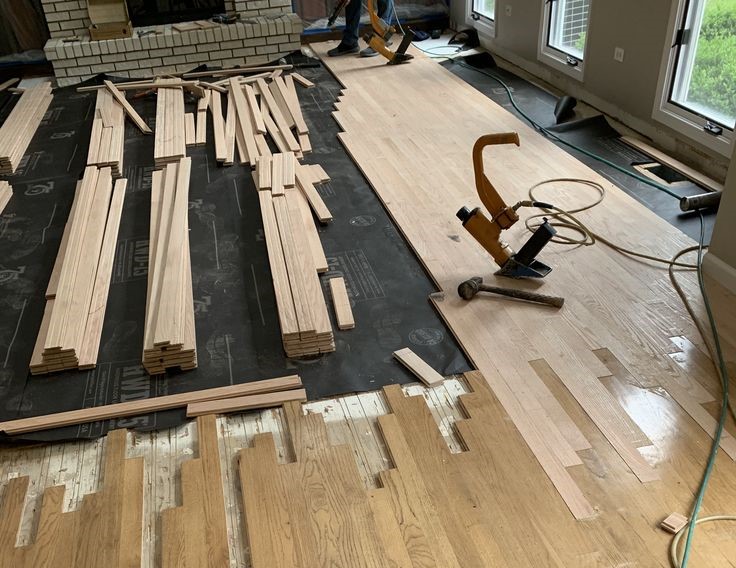
Years of salt tracked in from the sidewalk, chair legs and sun through the front window flatten a finish. Sanding down and laying three new coats lets the grain show again.



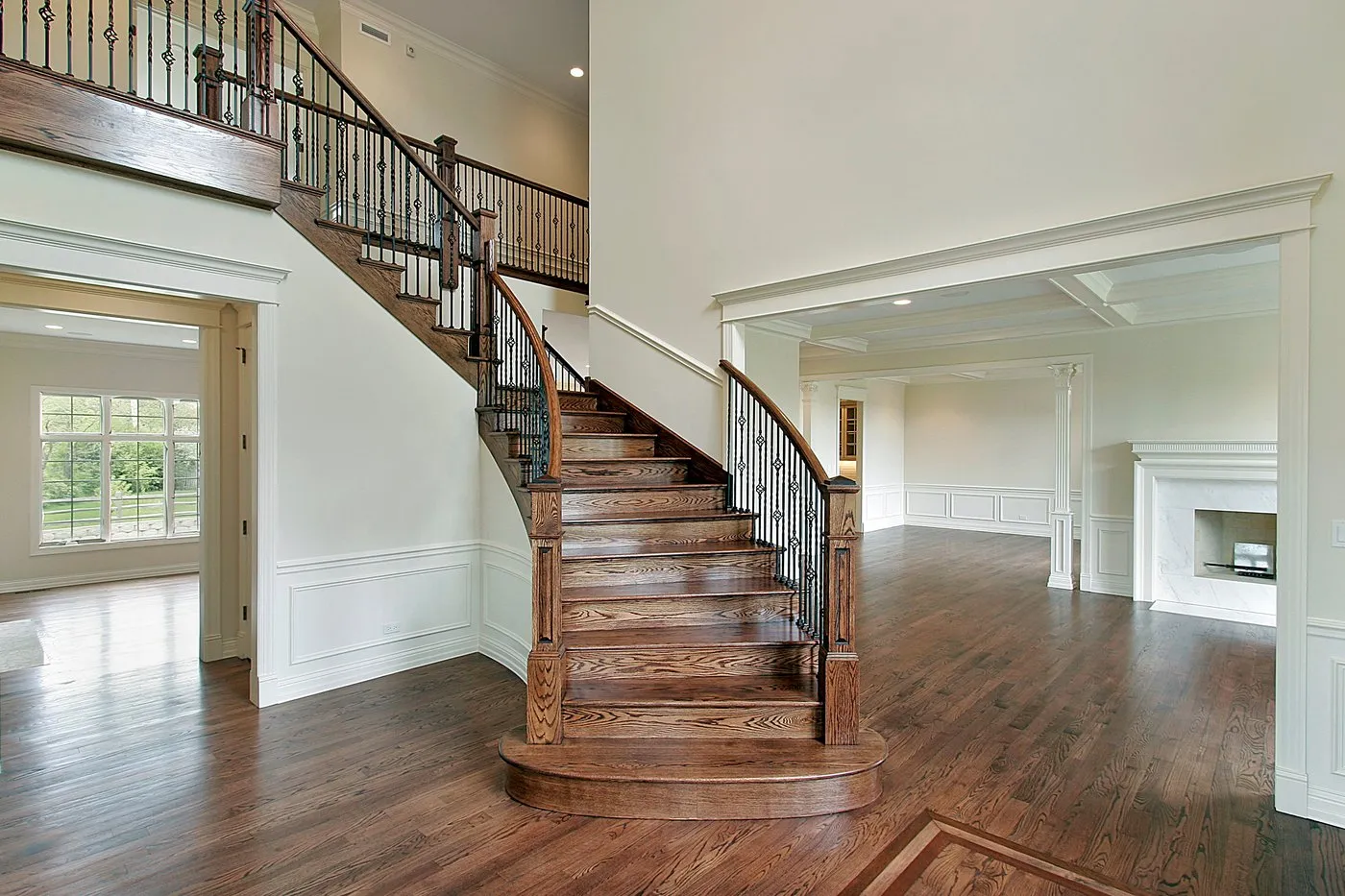
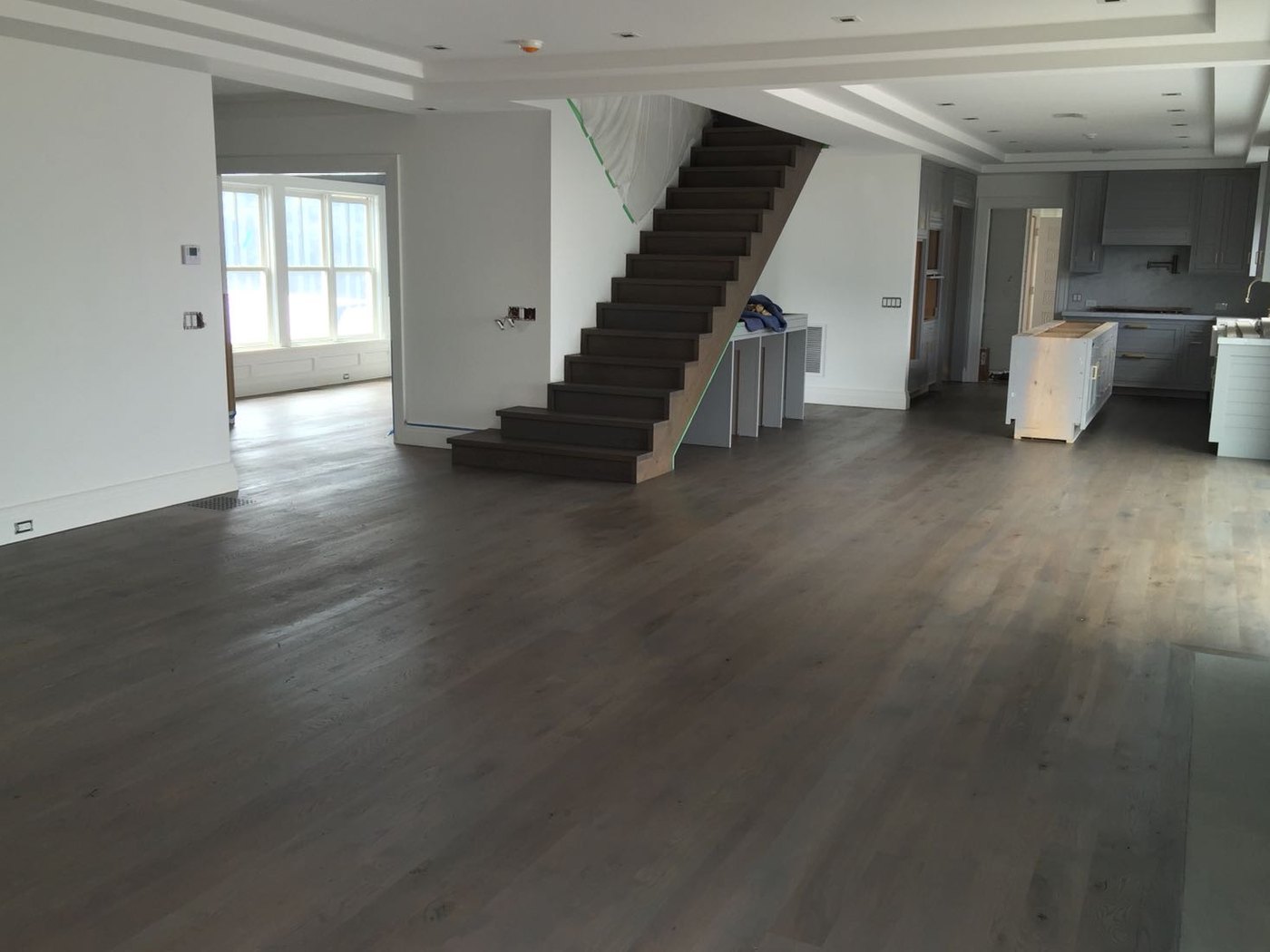

Years of salt tracked in from the sidewalk, chair legs and sun through the front window flatten a finish. Sanding down and laying three new coats lets the grain show again.

Together we settle the sheen, anywhere from matte to satin, and both oak and maple accept stain. Stain and poly are pulled from stock at our warehouse in Long Branch, NJ.

Prior to starting, we brush stain samples onto your actual floor, which means the shade you pick is the shade that cures in your Palmyra rooms.

We guarantee labor for a year. The sanding team are our employees and follow NWFA practice.

Floors from the 1920s often hold several layers of varnish that take multiple passes to remove.
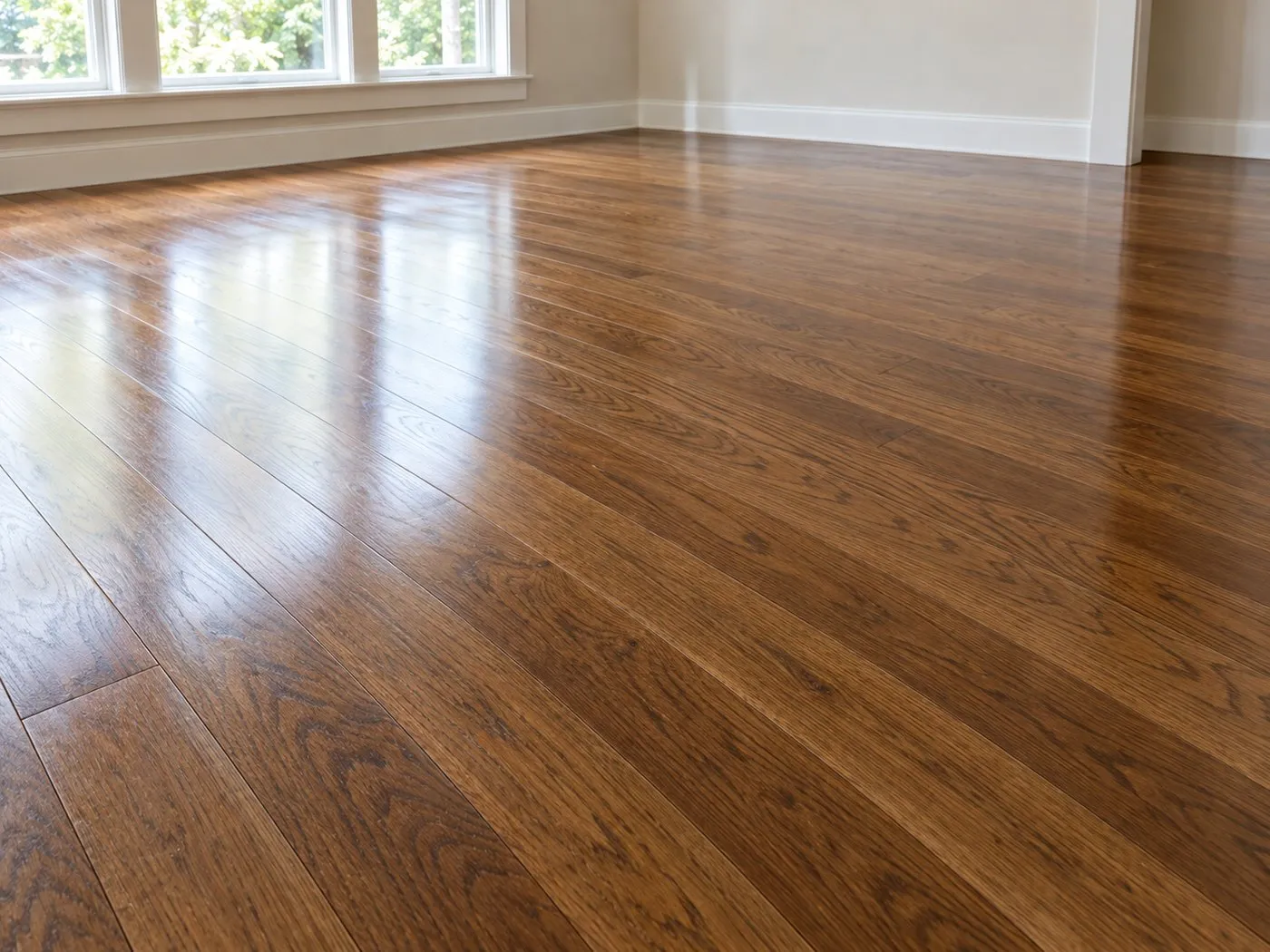
A chestnut stain in a bungalow hall hides old marks and brings warmth to the entry.
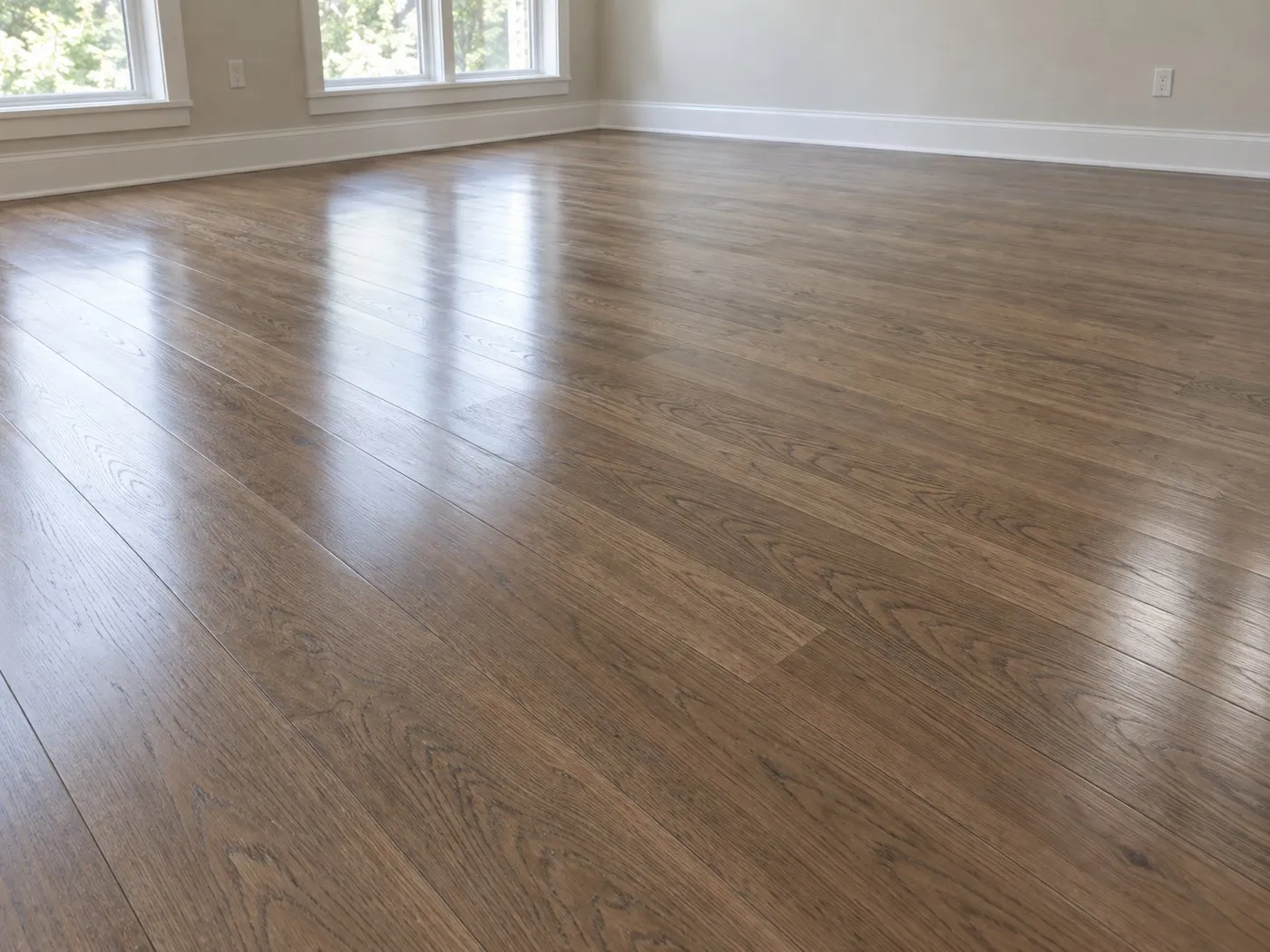
Polyurethane in three coats keeps a dining room safe from spilled drinks and pushed chairs.

West-facing windows bleach stain over time, so a new coat restores the tone evenly.

Stair landings and closets are sanded by hand where the machine cannot reach.

Sealed doorways and vacuum hookups hold dust back, so bedrooms stay usable.

 Get your Free In-Home Estimate
Taking the floor down to raw wood, staining and applying three coats is $2.50/Sq Ft, while a screen and recoat where it suffices is $1.00/Sq Ft.
Machines connect to vacuums and plastic seals the doorways. You will see only a little fine dust afterward.
We try samples on your boards until the tone lands, because oak and maple pick up stain differently.
Socks are fine the next morning, and rugs and furniture wait a few days. You get the schedule before work begins.
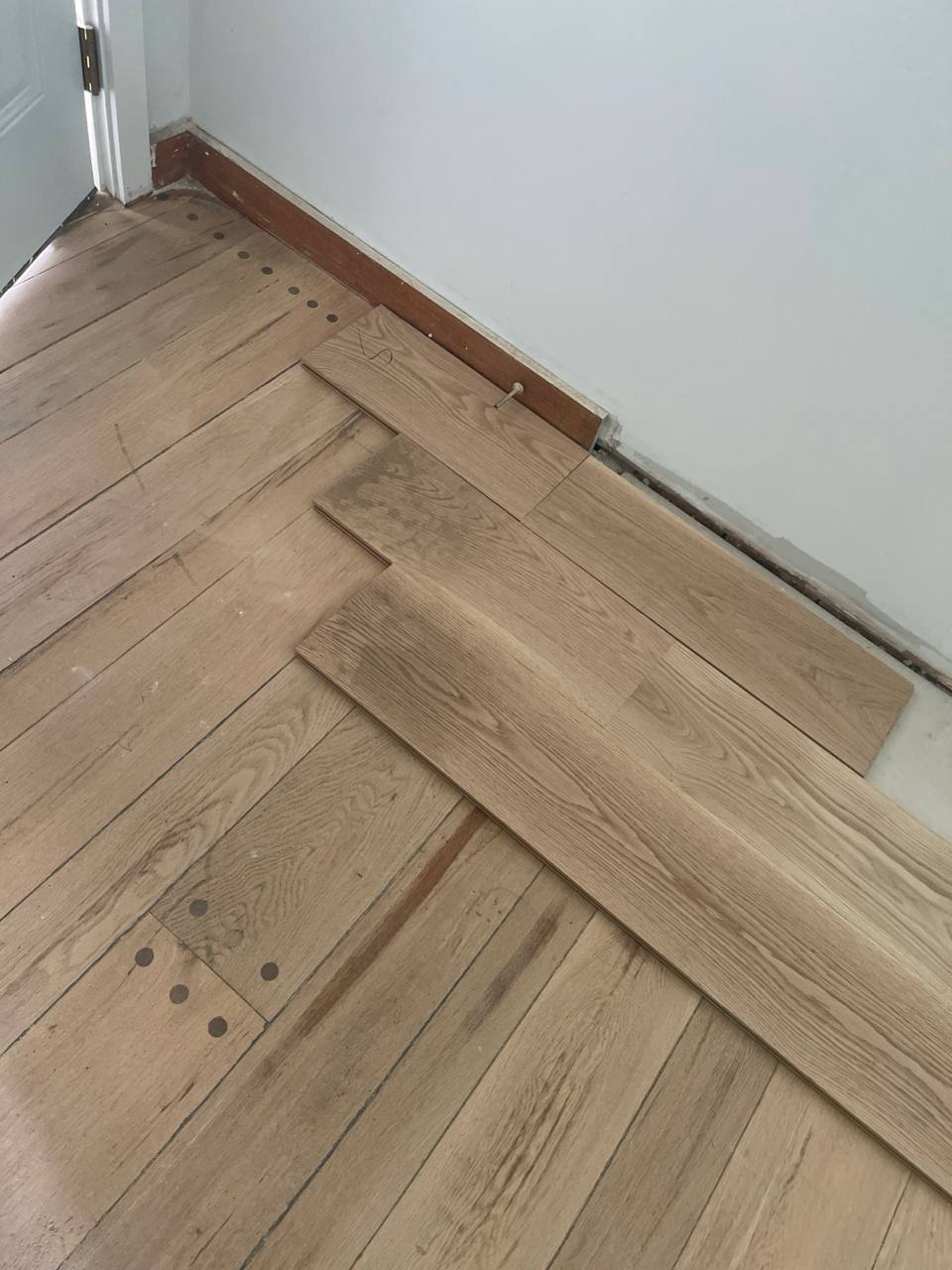
Those get swapped before sanding so the finished surface looks even. Cost is quoted at the visit.
Yes, for a flat $250.
Schedule through the website and your estimate is $250 lower.
Labor for a year, performed by crews on our own payroll.