Dustless Floor Refinishing
For Armonk sanding, define the extraction setup and protection of adjacent rooms. Review daily cleanup and the limits of dust containment.



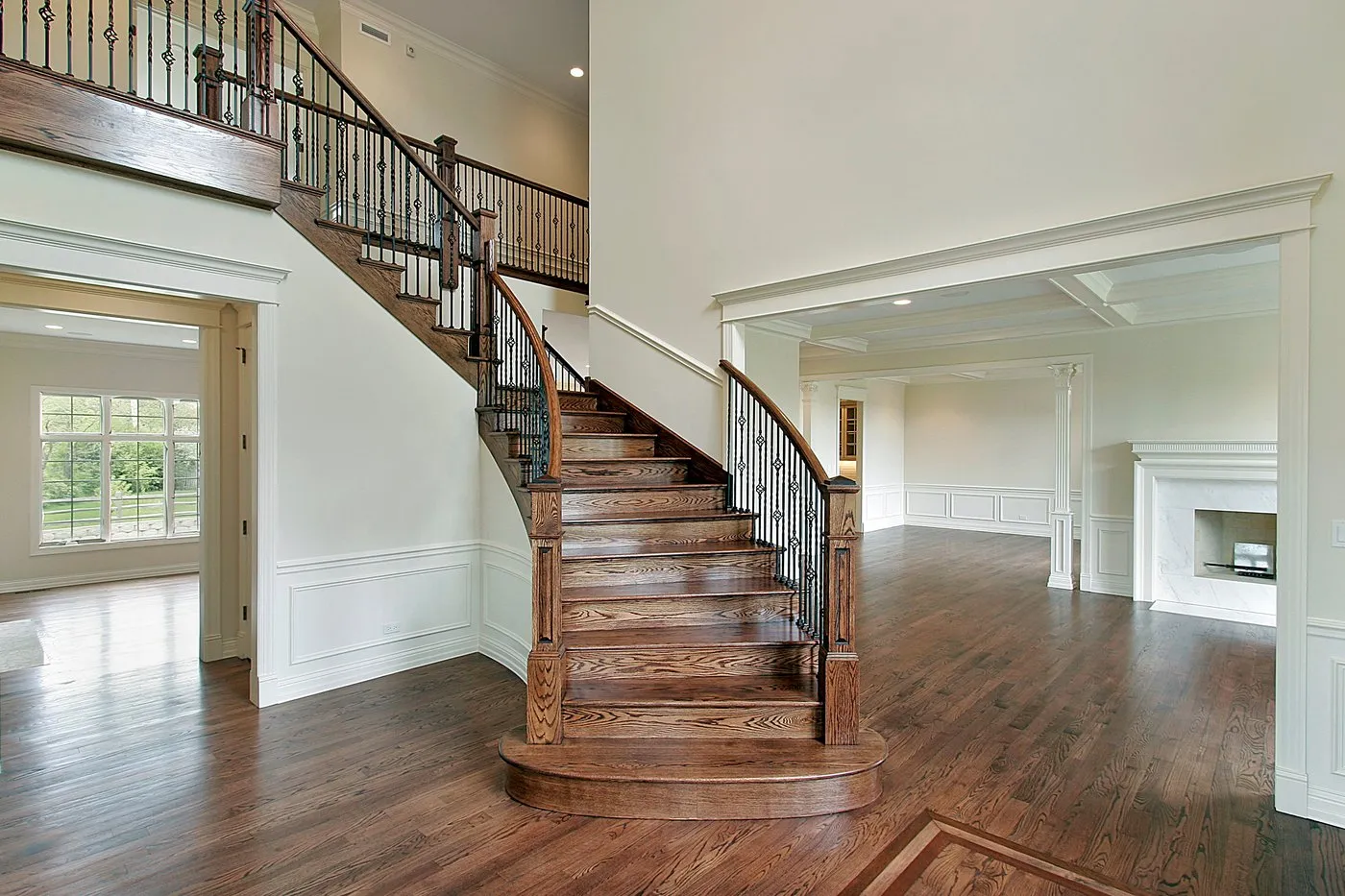
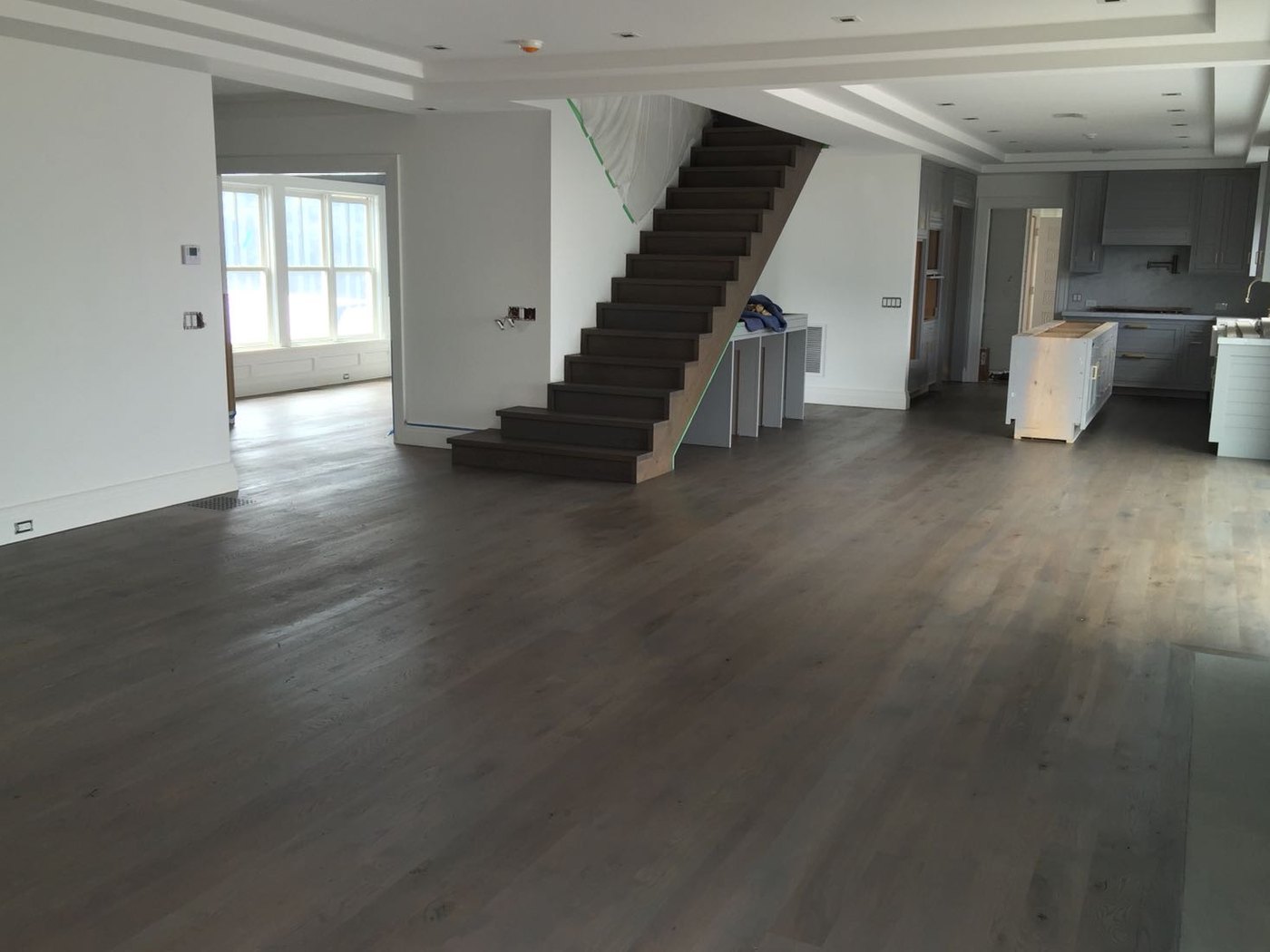

For Armonk sanding, define the extraction setup and protection of adjacent rooms. Review daily cleanup and the limits of dust containment.

A refinishing plan of three to five days depends on repairs and coating stages. Define North Castle access around the finish schedule.

Banksville floor repairs should precede sanding as needed. Mark replacement boards and plan the coating across old patches.

Evaluate North Castle refinishing coverage for a one-year term. Keep your agreed scope and finish-care directions together.

Natural finish leaves Armonk wood grain visible. Check a clear-coated test with adjacent retained surfaces.
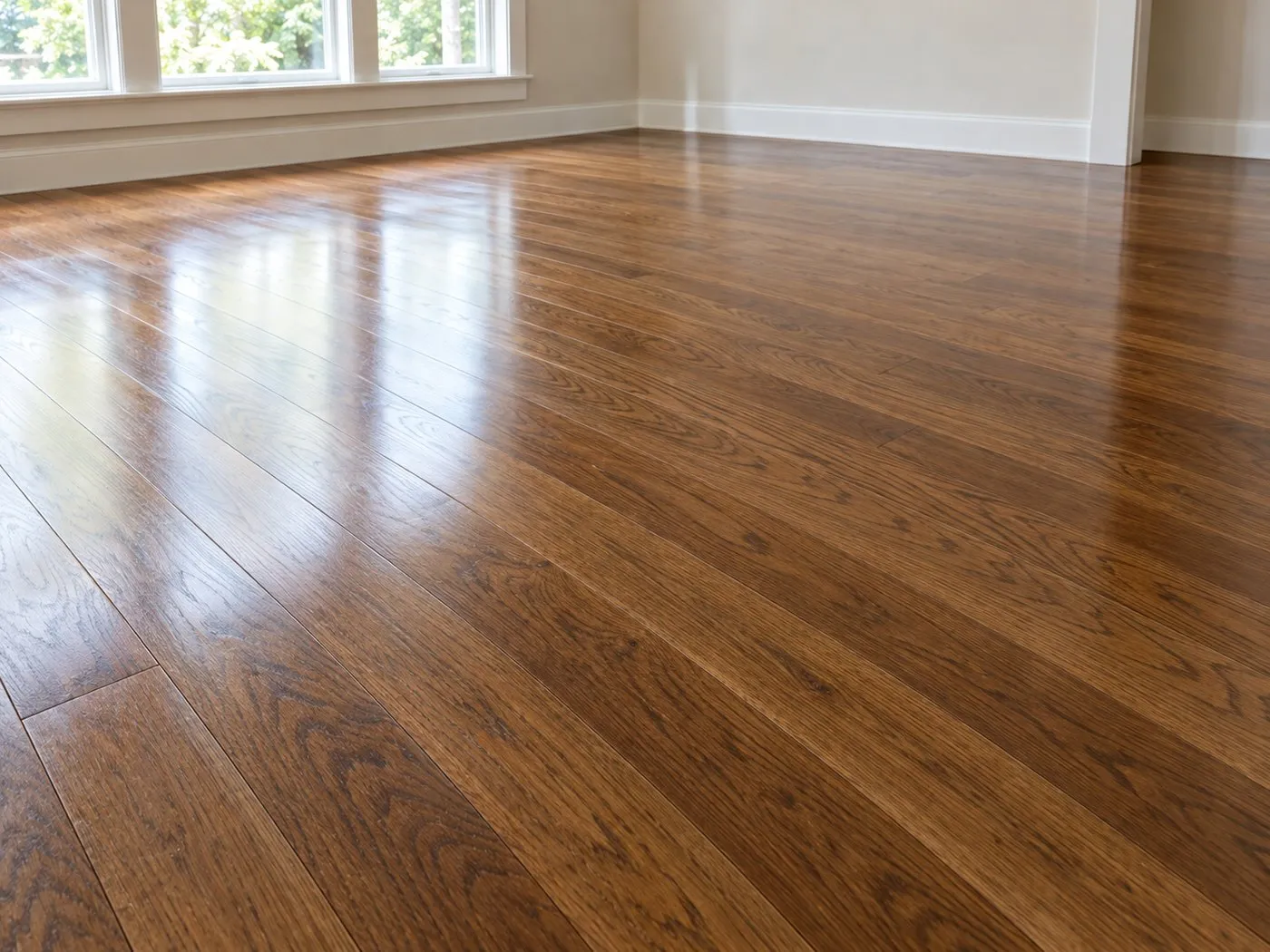
Special Walnut needs testing on Banksville wood. Review original floorboards and patches under a finish.
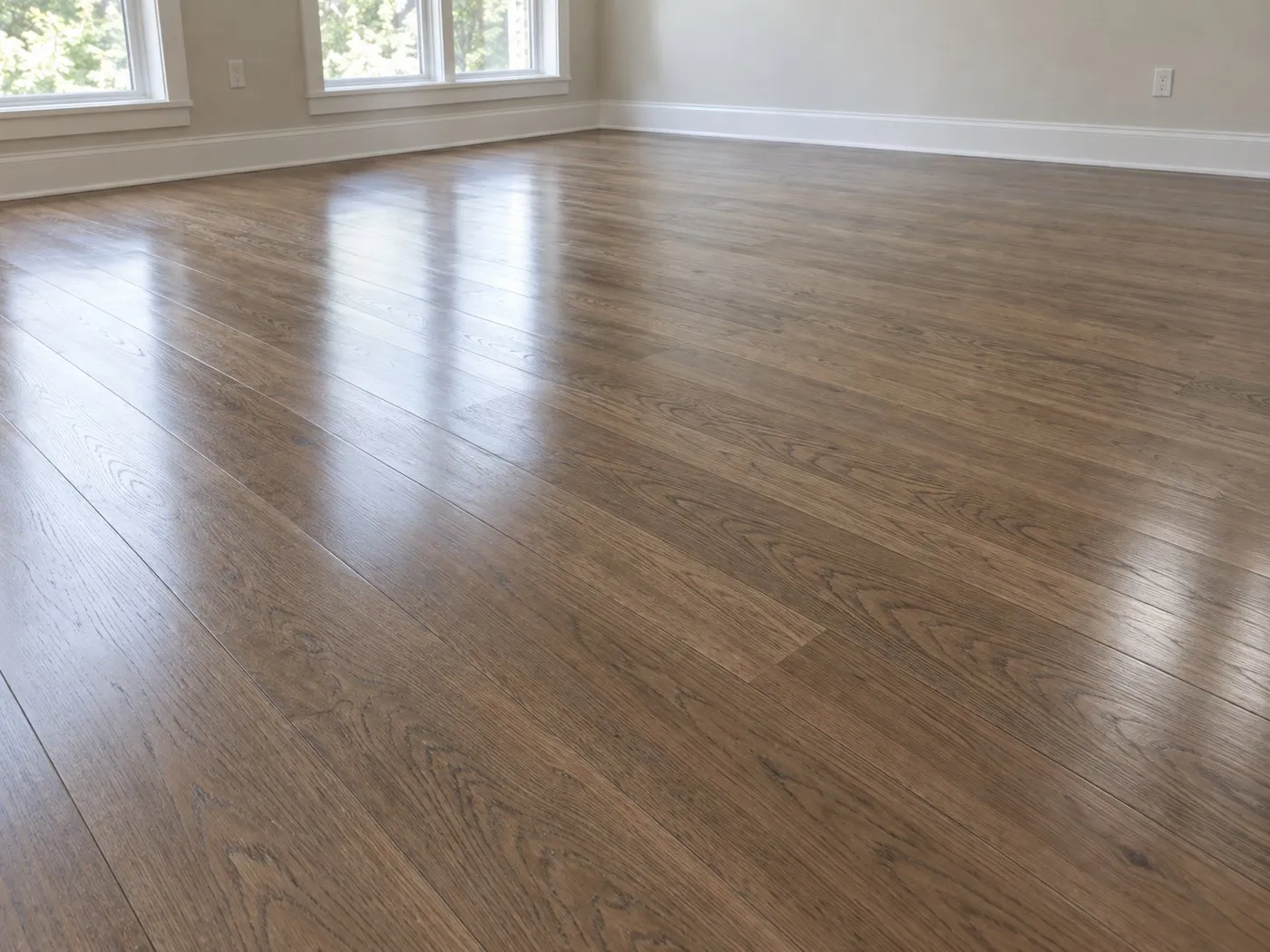
Provincial samples show how North White Plains wood takes color. View grain and finish sheen together.

Early American could read differently on repair boards. Examine an Armonk sample with old and replacement wood.

Dark Walnut needs the Banksville sample test. Examine the prepared grain and coated sample beside retained trim.

Jacobean color depth can be viewed with the final sheen. Review a North Castle sample in normal room light.
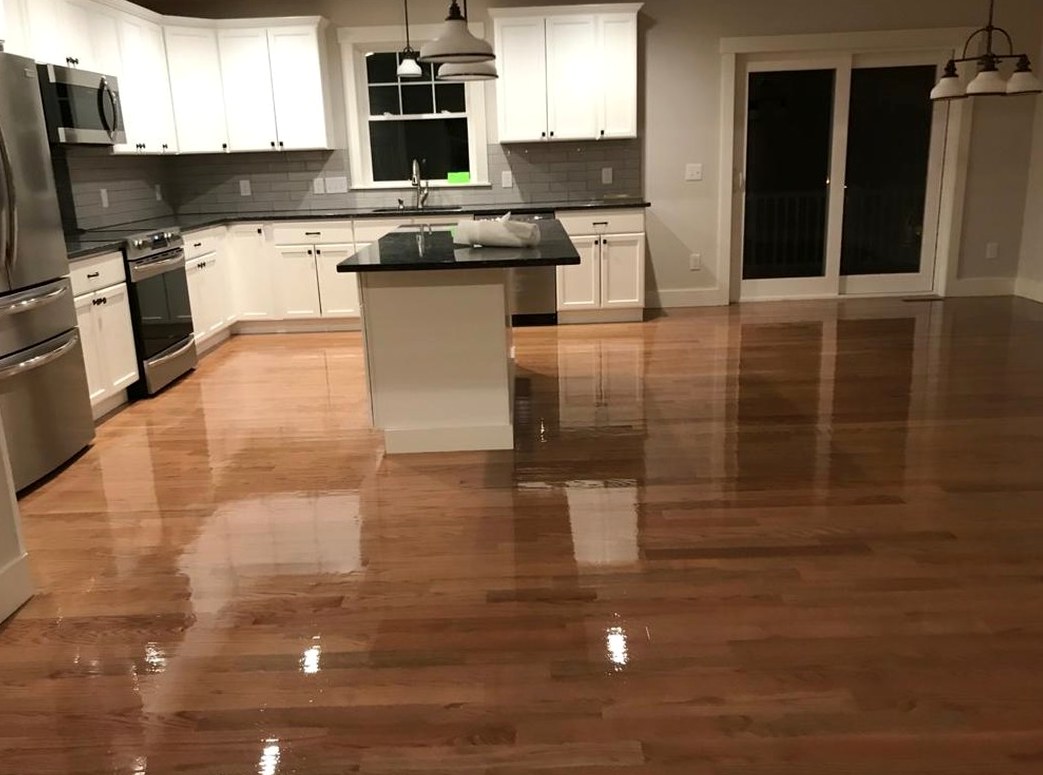
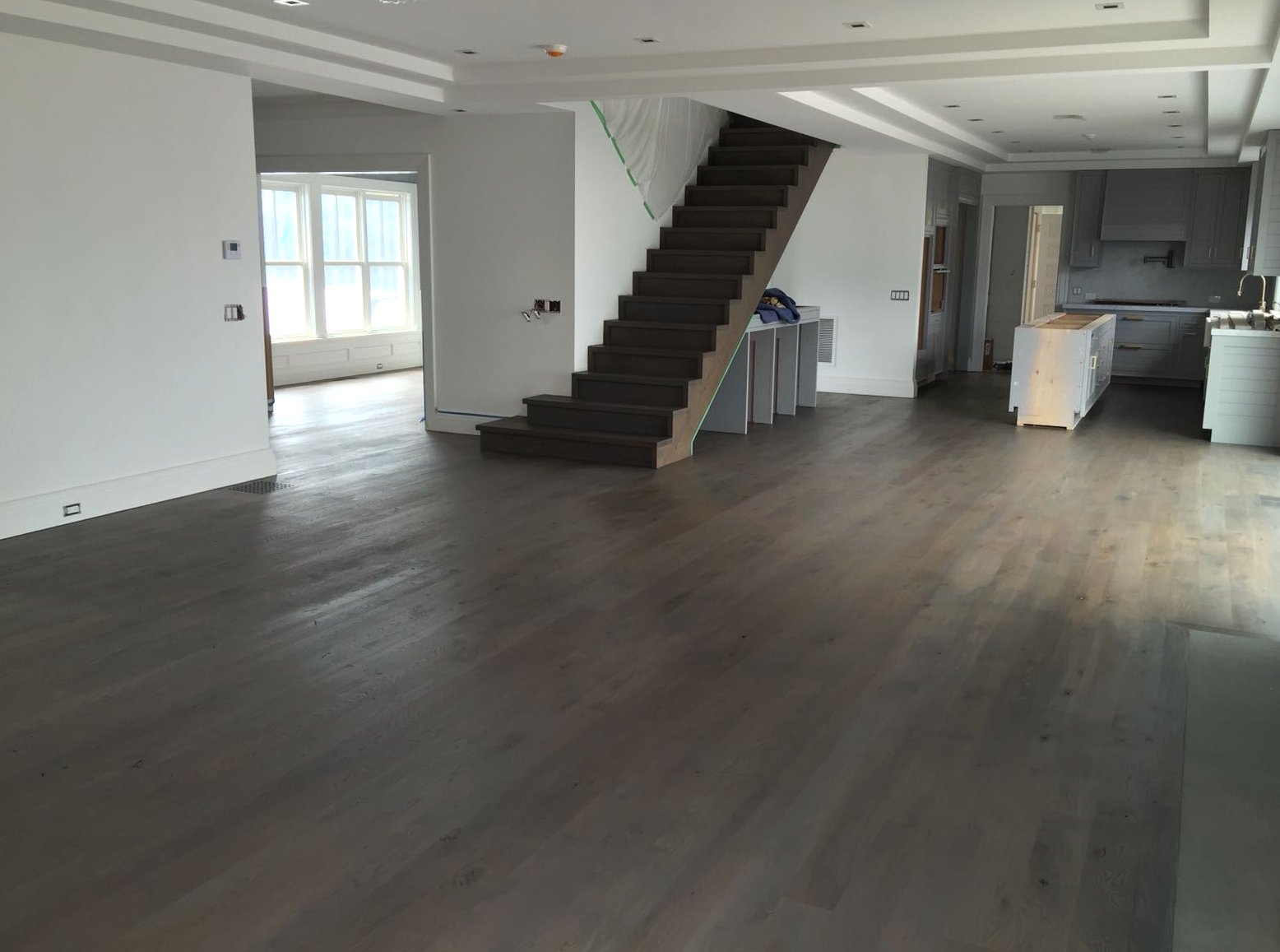
 Get your Free In-Home Estimate
Inspect a board edge at a vent or threshold where possible. Prior sanding, fasteners and repairs can reduce the wood available for another pass. At the visit, show us old wear just inside the door leading to a patio and the floor beside it.
The depth and cause of a mark determine what sanding can remove. A trial and inspection help identify where a board repair might still be necessary.
Choose a shortlist first, then sample on the prepared floor. The existing wood, sanding sequence and finish can all shift the color. For old wear just inside the door leading to a patio, point out the exact spot during the estimate.
Agree on a route and the rooms in each phase before work starts. Use the chosen finish’s instructions for traffic, furniture and rugs.
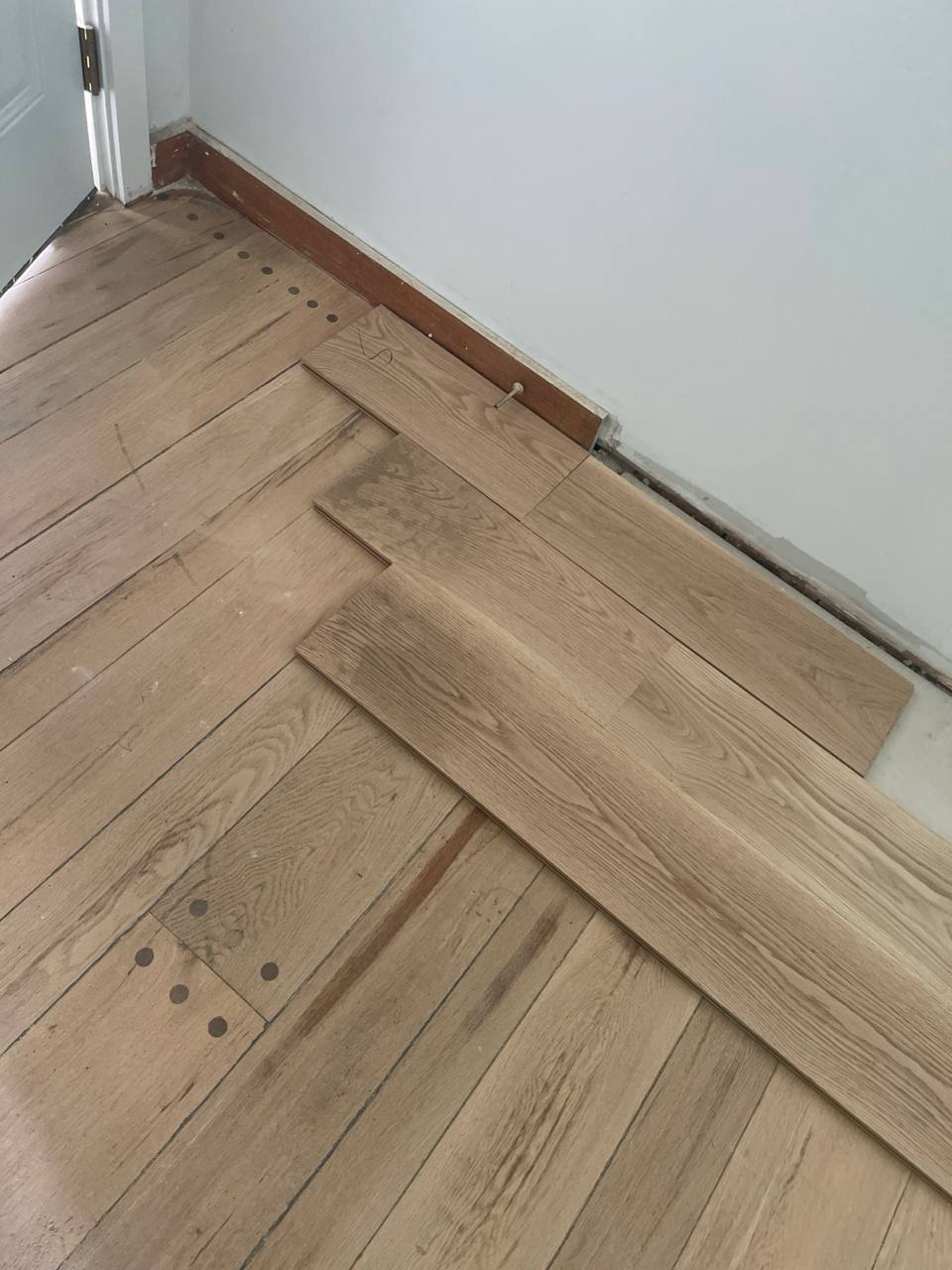
Examine whether each patch is stable and whether it differs from the surrounding wood. Compare a sample before deciding to retain or replace it. At the visit, show us old wear just inside the door leading to a patio and the floor beside it.
Choose a deliberate stopping point at a threshold or change in direction. Existing color and sheen can still differ across that boundary.
Identify movement before the sanding phase. Fixing the underlying issue early helps the crew plan the repair and the finish together. For old wear just inside the door leading to a patio, point out the exact spot during the estimate.
Measured area, sanding condition, repairs and the chosen finish set the scope. Ask the estimate to identify separately any stair or furniture work.