Dustless Floor Refinishing
Long Beach sanding plans need dust collection and room protection specified fully. Explain equipment access and who completes the cleanup.



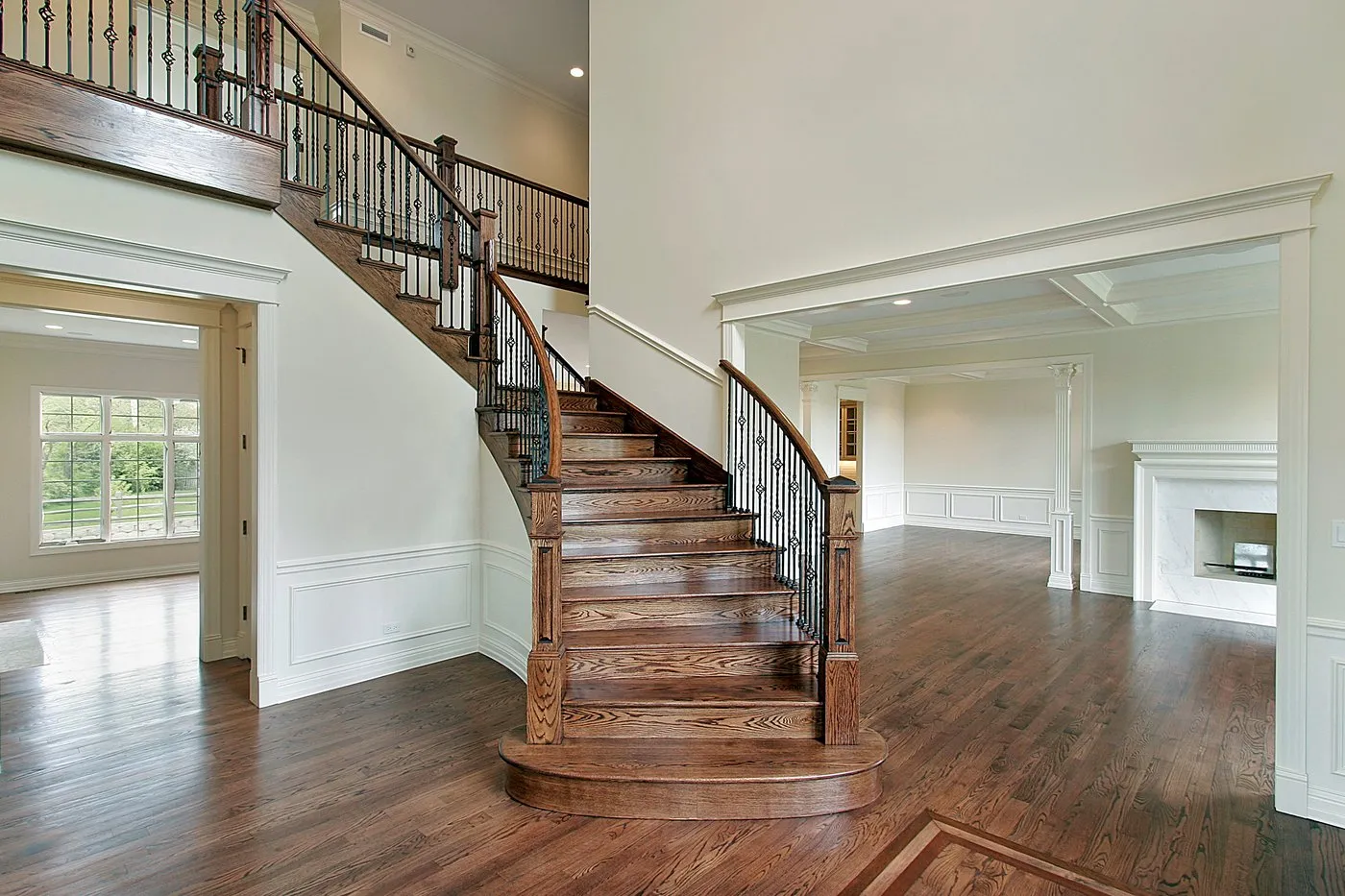
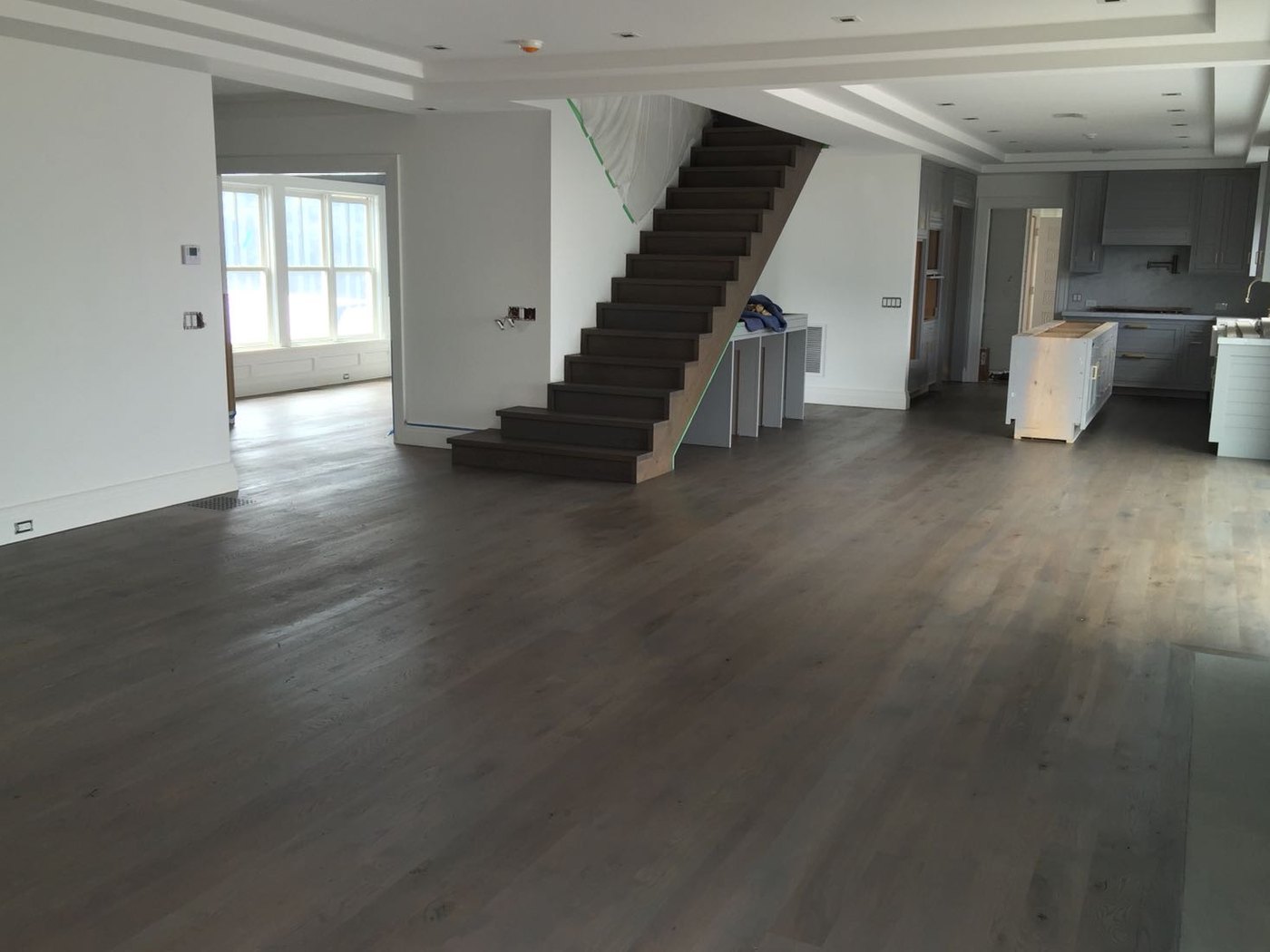

Long Beach sanding plans need dust collection and room protection specified fully. Explain equipment access and who completes the cleanup.

Set Long Beach refinishing dates from the repair scope and finish directions. Agree on walking, furniture and rug stages individually.

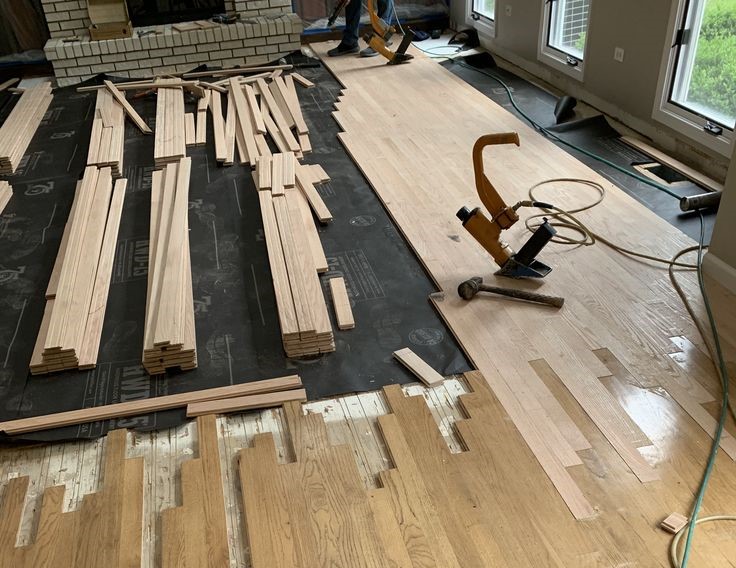
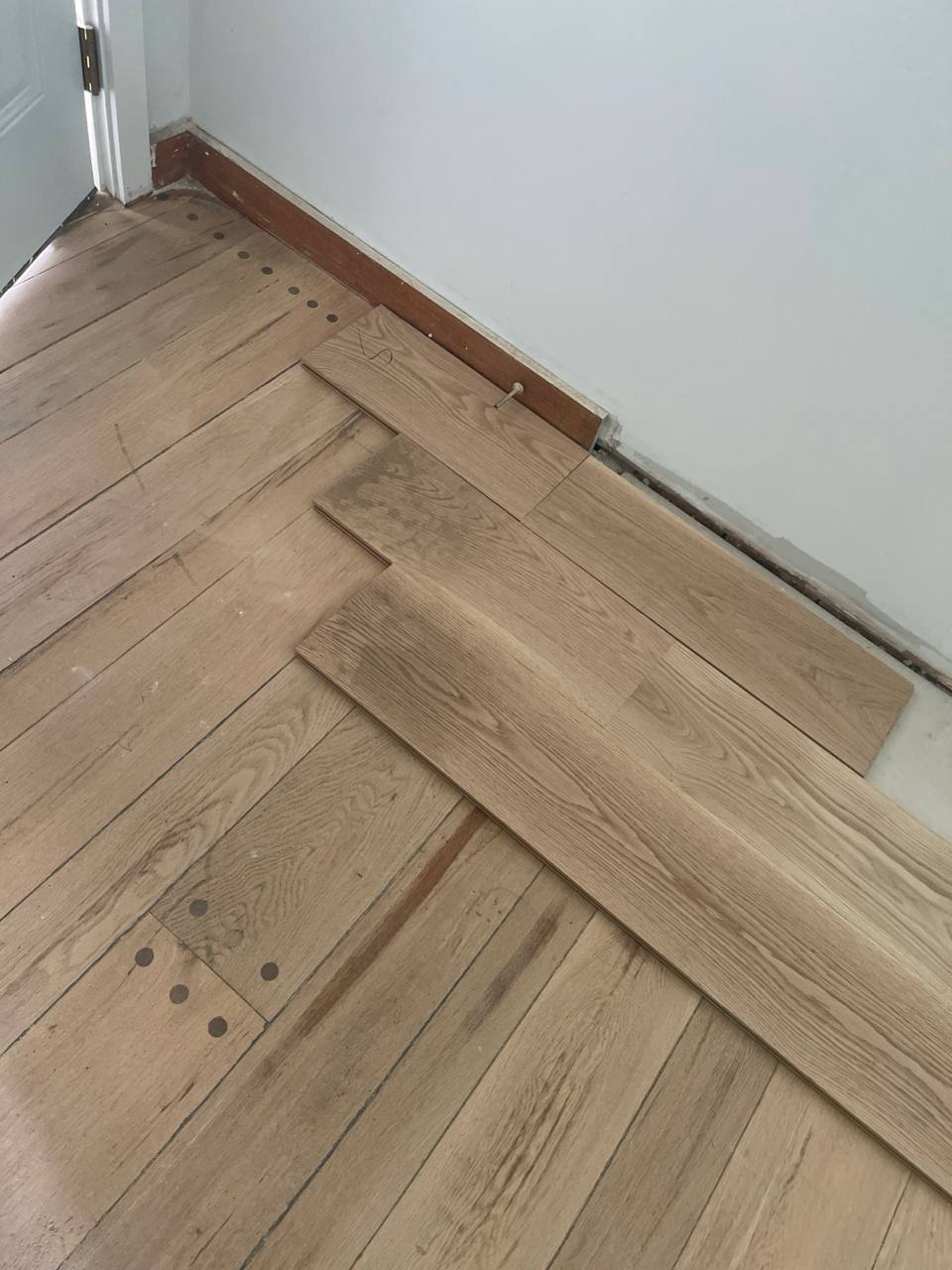
Review Long Beach damaged boards before sanding. Price replacement flooring and define the finishing limits for that patch.

Long Beach refinishing terms document labor coverage, product details and floor care. Keep your return-to-use instructions.

A natural Long Beach sample should show what the prepared wood looks like under the intended clear coating.
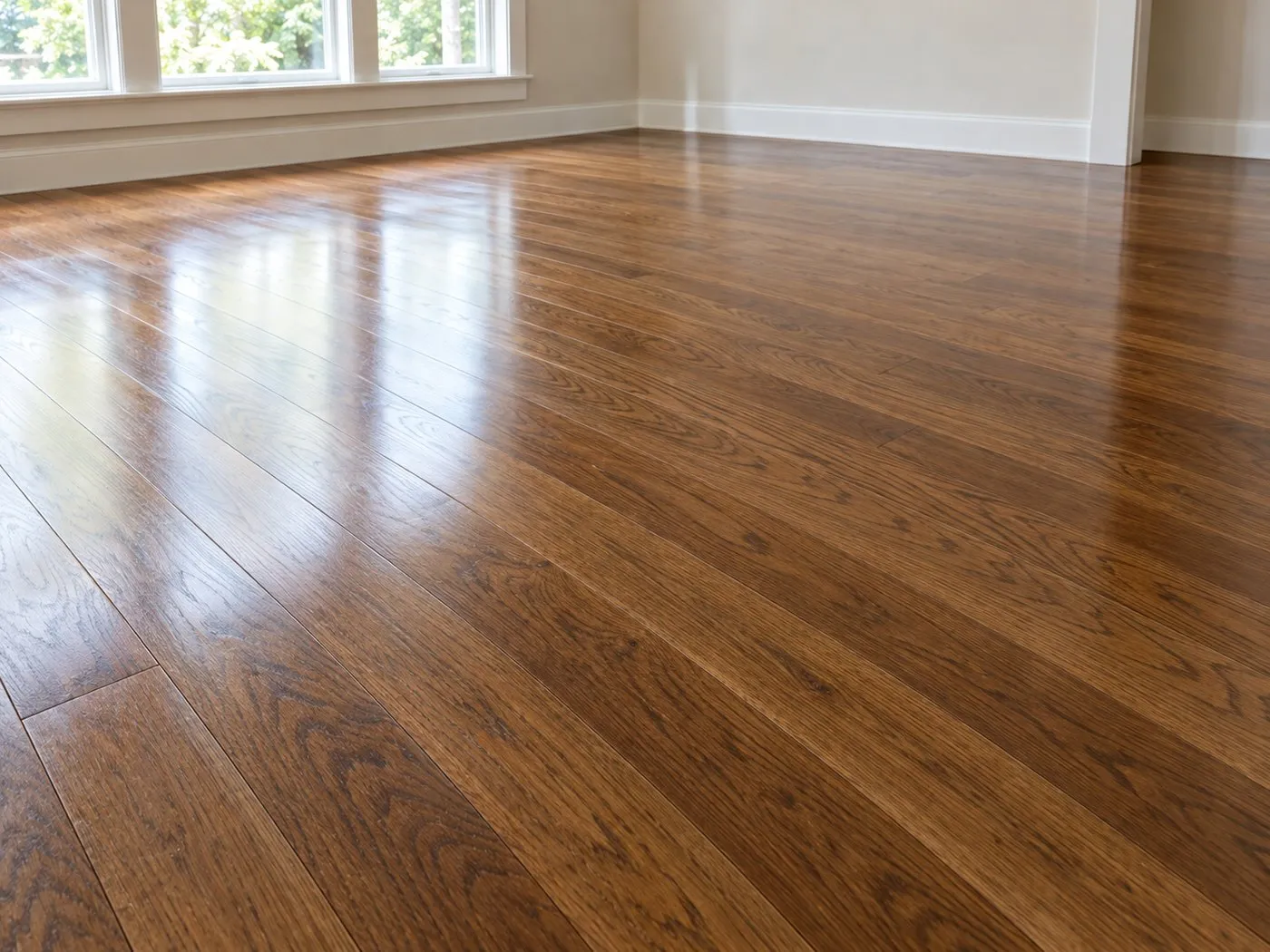
Try Special Walnut on a West End repair as well as older boards to compare absorption before committing.
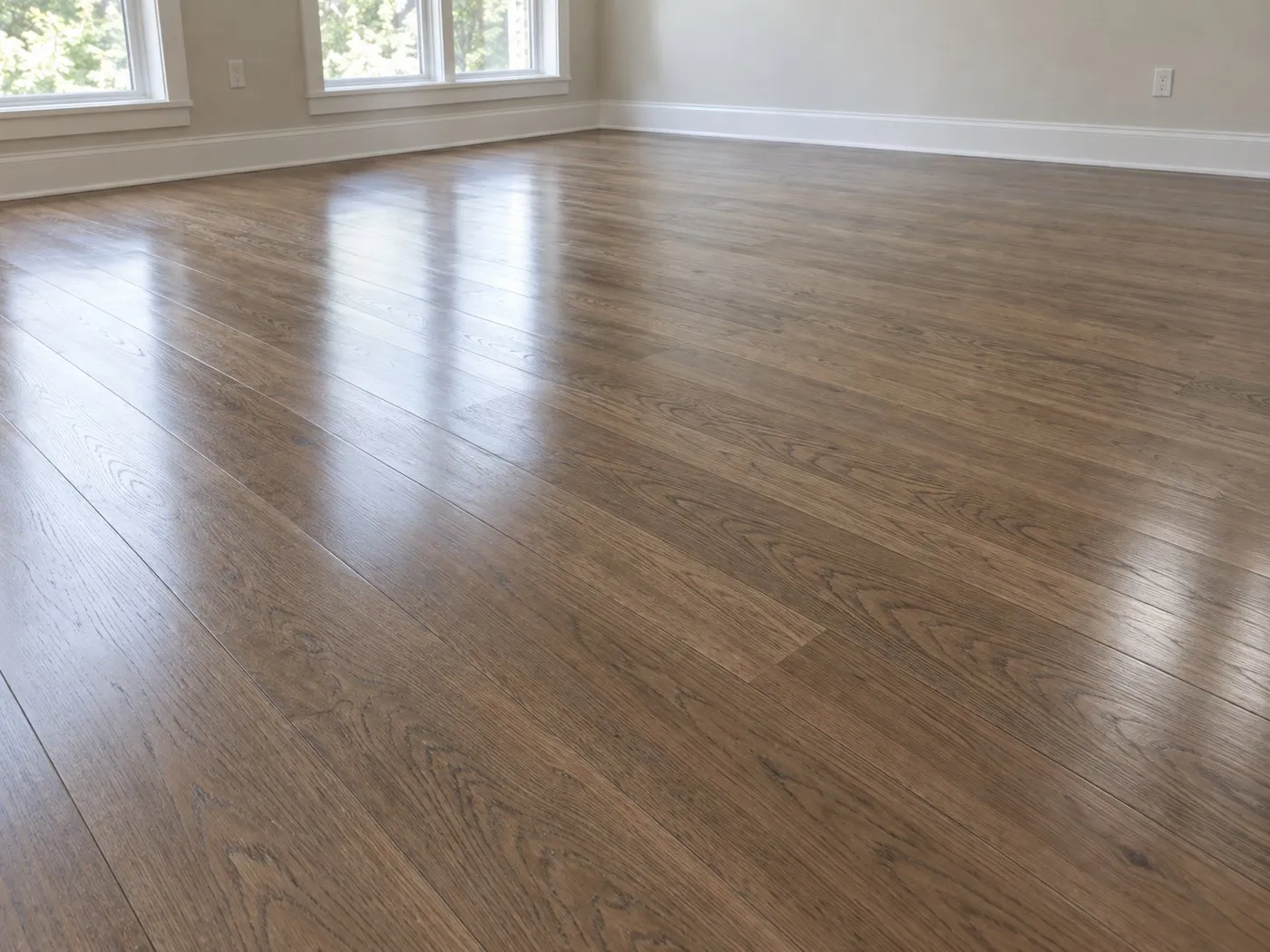
Long Beach Provincial samples need comparison beside retained finishes with the typical room lamps on.

Use an East End Early American trial where a new floor finish will connect to the unchanged hallway or landing.

Dark Walnut in Long Beach must be sampled over varied wood grain to judge the contrast before treating the room.

Inspect a Long Beach Jacobean sample with daylight and lamps so its depth is known before full application.
 Get your Free In-Home Estimate
The Long Beach Historical Society includes Walks bungalows in its account of local housing, but a house's age does not identify the age of every floorboard. Look for later patches, altered doorways and differences in board construction during the visit. Measure usable thickness and review the coating history before choosing another sanding. Include representative older and replacement strips in the color tests so the restoration plan explains both what can be retained and how varied wood may appear.
The Walks' pedestrian character is identified in municipal planning documents. Identify a permitted unloading location and trace the sanding equipment's route to the work area, including any entry steps or narrow turns at the property. Agree where equipment can wait without blocking neighbors' passage. Because the route out may cross a room being coated, discuss the work sequence and household access before dates are chosen rather than treating arrival and finish drying as separate decisions.
Broadway and Shore Road contain larger residential buildings in Long Beach's documented housing mix. Obtain the property's work-hour, shared-entry and equipment-access instructions, then review them with the selected coating's application and curing directions. Explain which rooms the household must reach and whether furniture movement uses a shared facility. Build the schedule from those actual conditions and the repair scope; the street address or room size alone cannot establish a reliable furniture-return date.
City sanitation guidance says home-improvement construction waste must be handled through the contractor's disposal arrangement. Specify responsibility for removed repair boards and preparation debris before restoration begins. Used coating materials also need handling suitable for the products involved; confirm their accepted route rather than treating all job waste as household bulk. Keep cleanup duties in the written scope so the homeowner knows what remains after the final coat and who takes each material away.
Recoating retains a suitable existing finish, while sanding removes material to prepare the wood. Evaluate coating compatibility, damage and remaining thickness before selecting either scope.
Grain, repairs and past treatments can affect absorption. Select test locations that represent the floor and judge them under the intended clear coating before approval.
Identify the equipment, room separation and cleanup duties. Explain how adjoining areas and belongings will be protected throughout sanding instead of relying only on an equipment label.
Refer to the chosen finish product and assess the conditions at the property. Write down distinct milestones for walking, furniture placement and rug return when planning the coating sequence.