Dustless Floor Refinishing
For Islip sanding, specify dust collection and protection of nearby rooms. Agree on the cleanup responsibilities before equipment arrives.



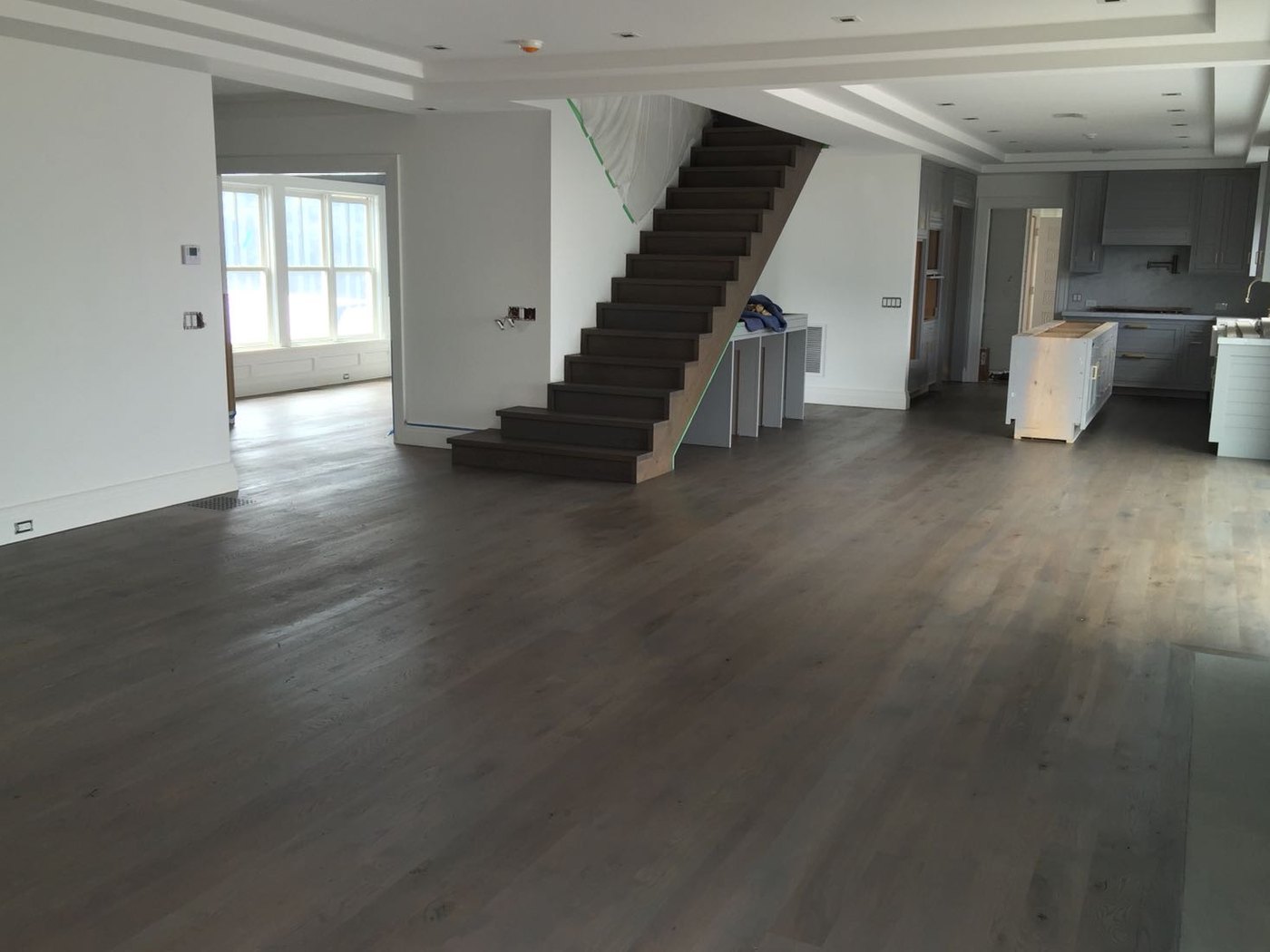

For Islip sanding, specify dust collection and protection of nearby rooms. Agree on the cleanup responsibilities before equipment arrives.

An Islip refinishing schedule rests on the wood, prep and coating. Agree on access restrictions and the finish's return-to-use stages.

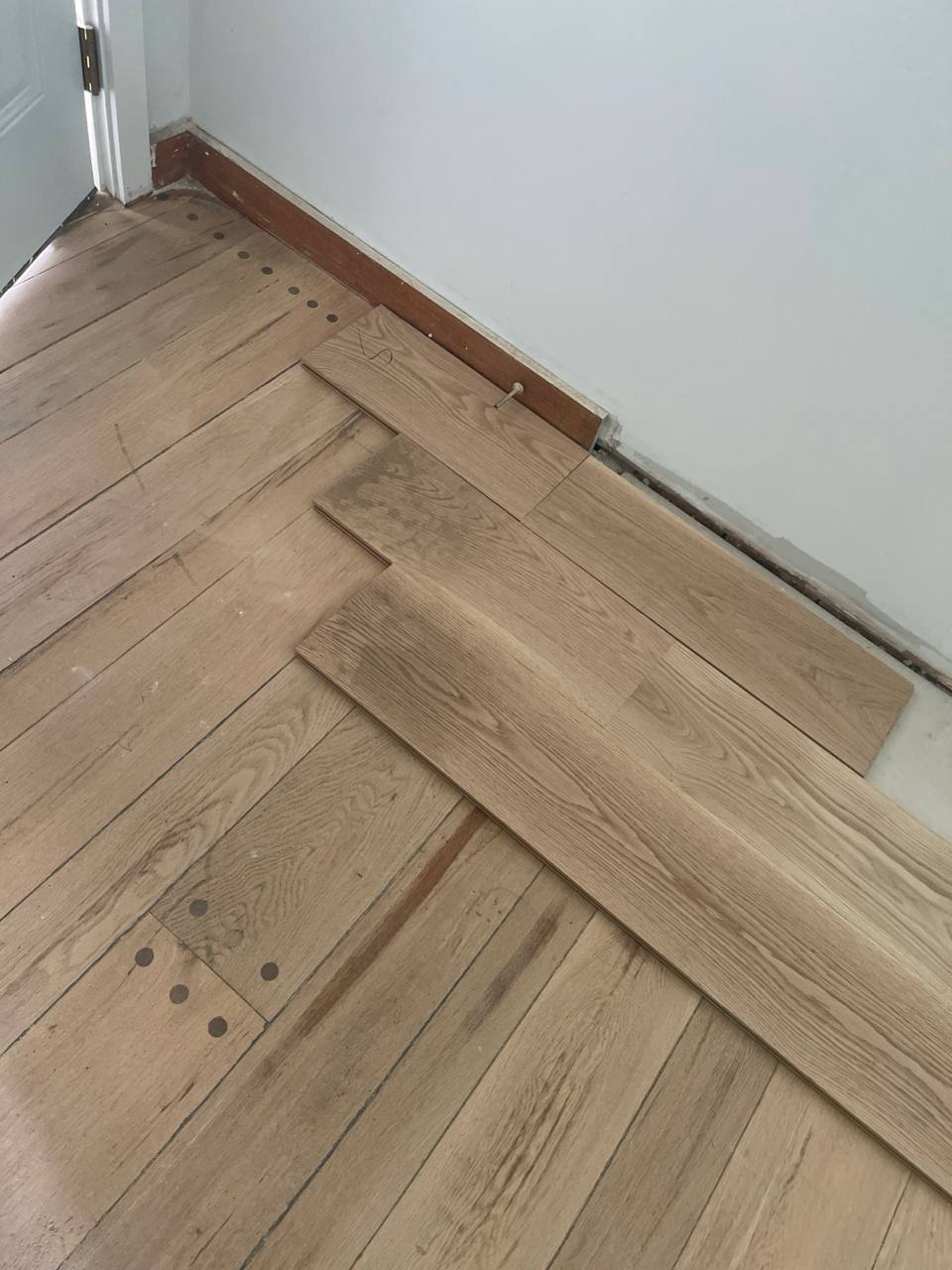
Show Bay Shore damaged boards before the refinishing price is set. Identify patches and the cause of any marks or movement.

Retain the Islip finish specification and agreed labor terms. Product care and payment conditions belong with the proposal.

For East Islip natural wood, review a clear-coat sample before deciding whether another stain is necessary.

Bay Shore Special Walnut tests can include any old repair boards before the room-wide shade is approved.
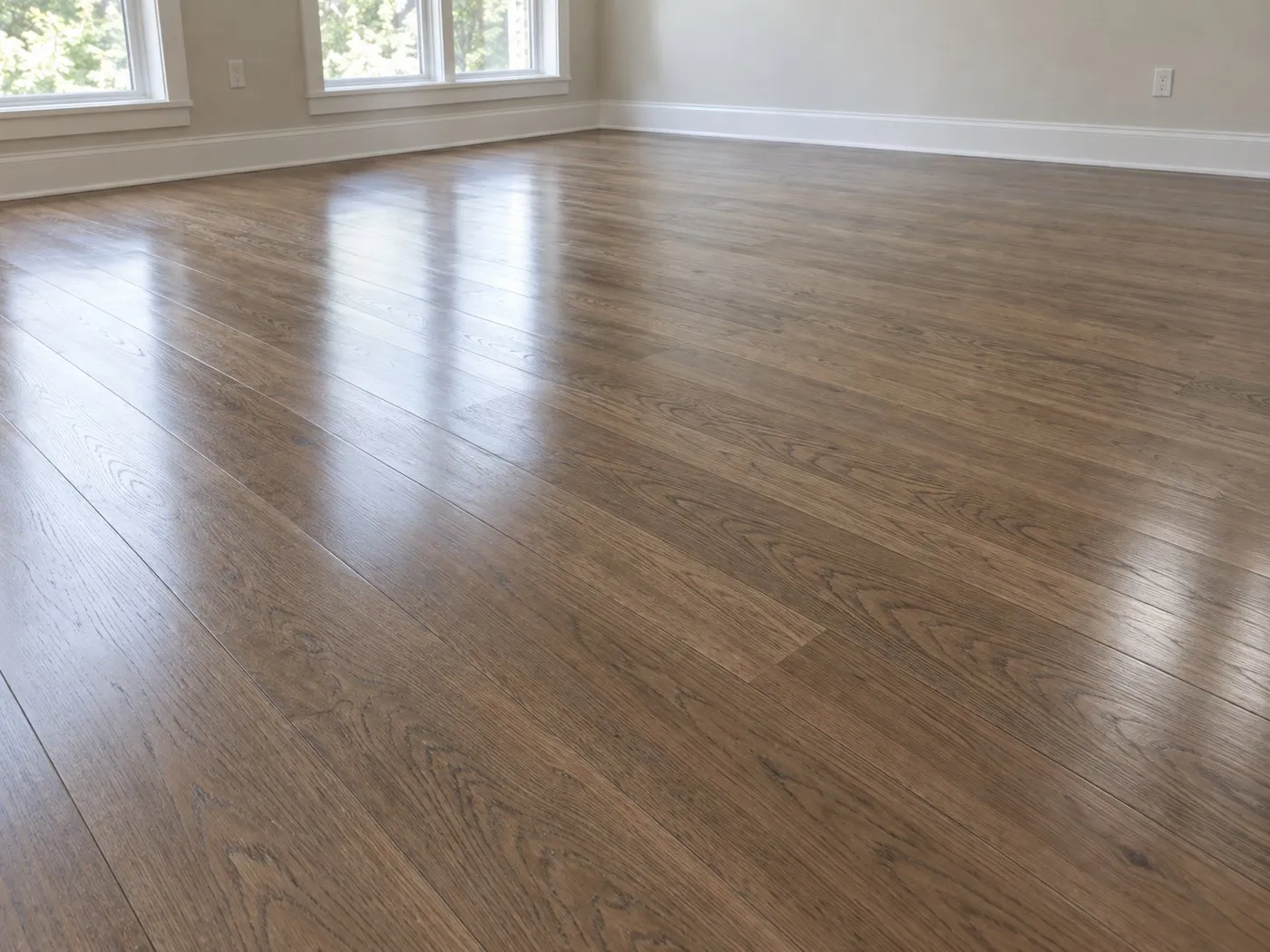
In Brentwood, review Provincial on prepared wood beside the retained cabinets and under room lighting.

Central Islip Early American samples need comparison at the unchanged rooms, where the two floor finishes meet.

Sayville Dark Walnut can show grain differently across boards; compare the test area before accepting the color.

An Islip Jacobean test needs daylight and lamp tests; review its grain and the visibility of everyday dust.
 Get your Free In-Home Estimate
Bay Shore's downtown parking program is separate from its dock and commuter parking arrangements. Identify where sanding equipment can enter the actual building and how occupied areas will be reached. Confirm property access before setting a work sequence; an available parking bay does not mean equipment can be carried through a neighboring business.
Town planning describes a mixed-use downtown in Bay Shore. If the floor is above or beside an operating business, explain the shared stair, entrance and hours before work is priced. The coating schedule should account for the actual access route and product instructions, with clear boundaries for protection and cleanup.
For coastal properties, Islip's mapping resources can help identify the property's flood-zone context. The restoration visit should also document where water actually entered, what was repaired and how the boards now behave. Inspect moisture conditions and usable thickness before deciding whether damaged strips can remain within the planned sanding and coating work.
Brightwaters maintains its own Building Department for village construction. Identify that village and the street address when asking about restoration, particularly if board replacement accompanies other alterations. Confirm requirements for the specific scope with the relevant office, then share the access instructions and floor history so the refinishing plan corresponds to the actual property.
Islip operates different facilities for construction debris, household materials and yard waste. Its Environmental Control office is the appropriate starting point to confirm handling of the particular waste from preparation, coating or board replacement. Agree on the contractor's cleanup and hauling responsibility before sanding; a general landfill listing does not establish acceptance of every finishing material.
Your written schedule depends on repairs, room size, preparation and the chosen finish. Confirm separate times for walking, furniture and rugs before making moving arrangements.
Color alone cannot establish whether contamination or damaged wood remains. Inspect the affected strips before selecting sanding, board replacement or a different finishing boundary.
Review prepared samples on the actual floor, including any replacement boards. Record the chosen shade and sheen after checking daylight and the room's normal lamps.