Dustless Floor Refinishing
A sander with a hose carries dust into a sealed bag instead of onto your shelves. We then clear the edges and vents before staining.



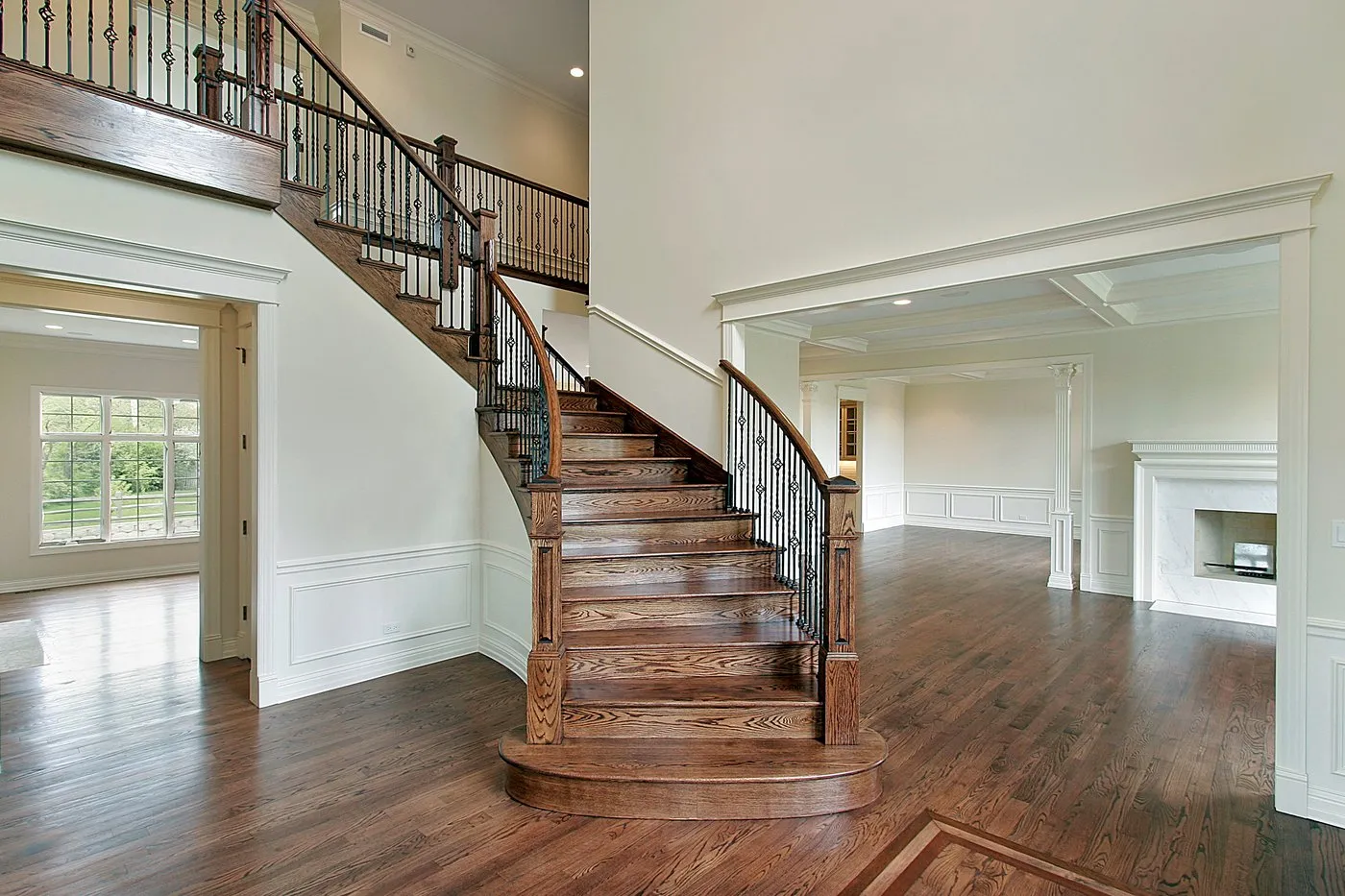
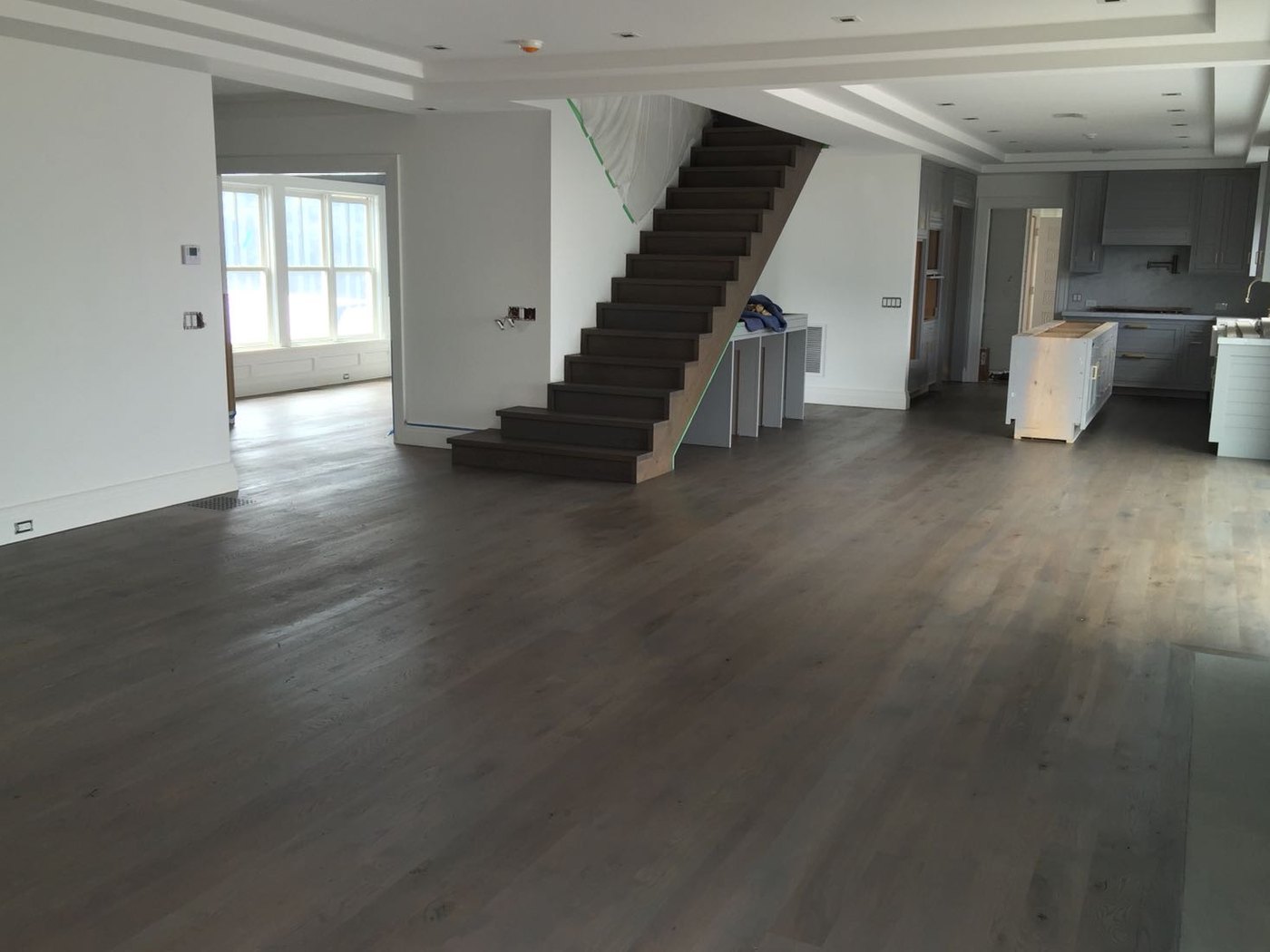

A sander with a hose carries dust into a sealed bag instead of onto your shelves. We then clear the edges and vents before staining.

We tell you at the estimate how long the rooms will be closed and when it is safe to walk or move furniture back. Sanding is paid 50% at the start and 50% at the final coat.

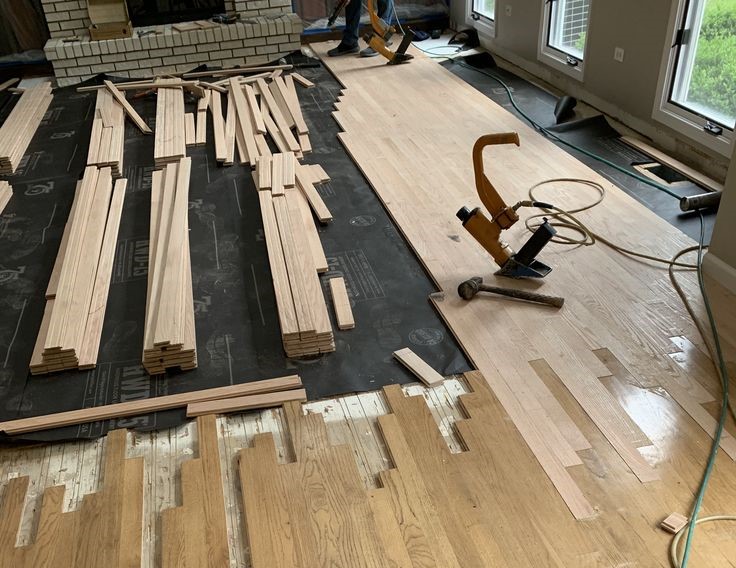
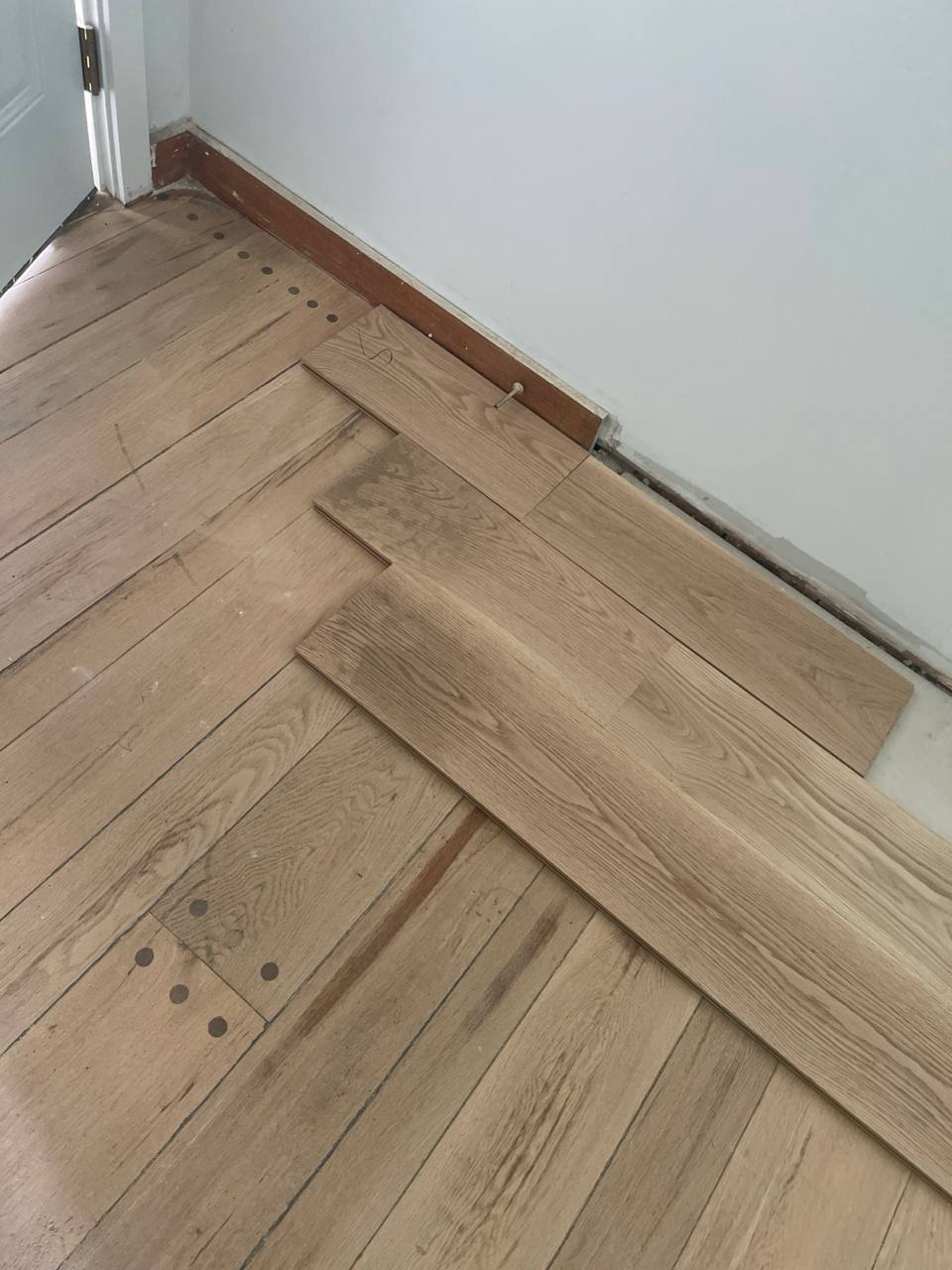
A plank warped by a leaking washer or gouged by a dropped pan can be replaced from $150, then blended into the sanded room.

Labor has a one year warranty from Brazil Floors, and the people sanding your floor are licensed, insured and NWFA certified.

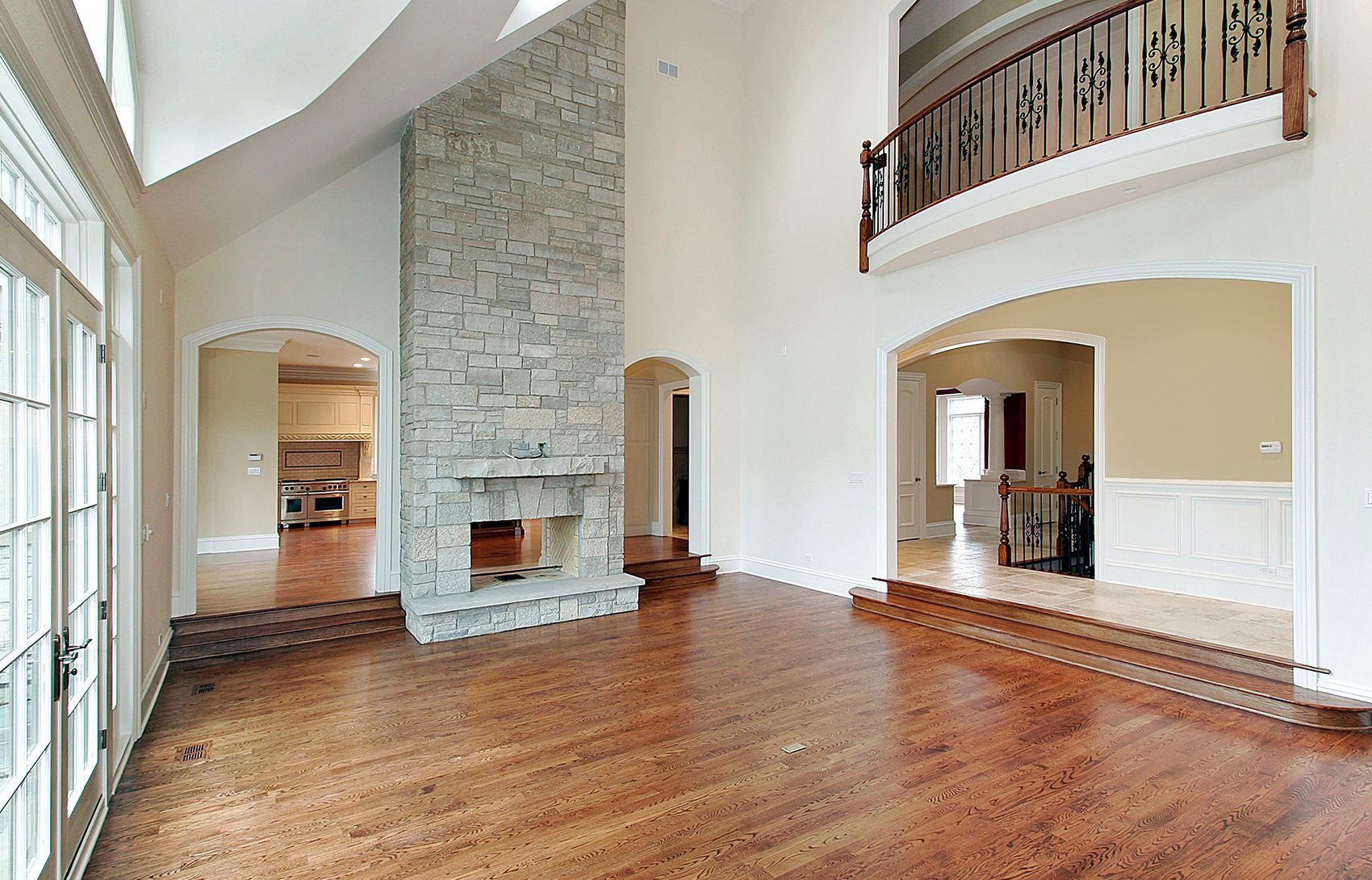
A clear coat with no tint keeps oak pale and airy in a farmhouse kitchen.
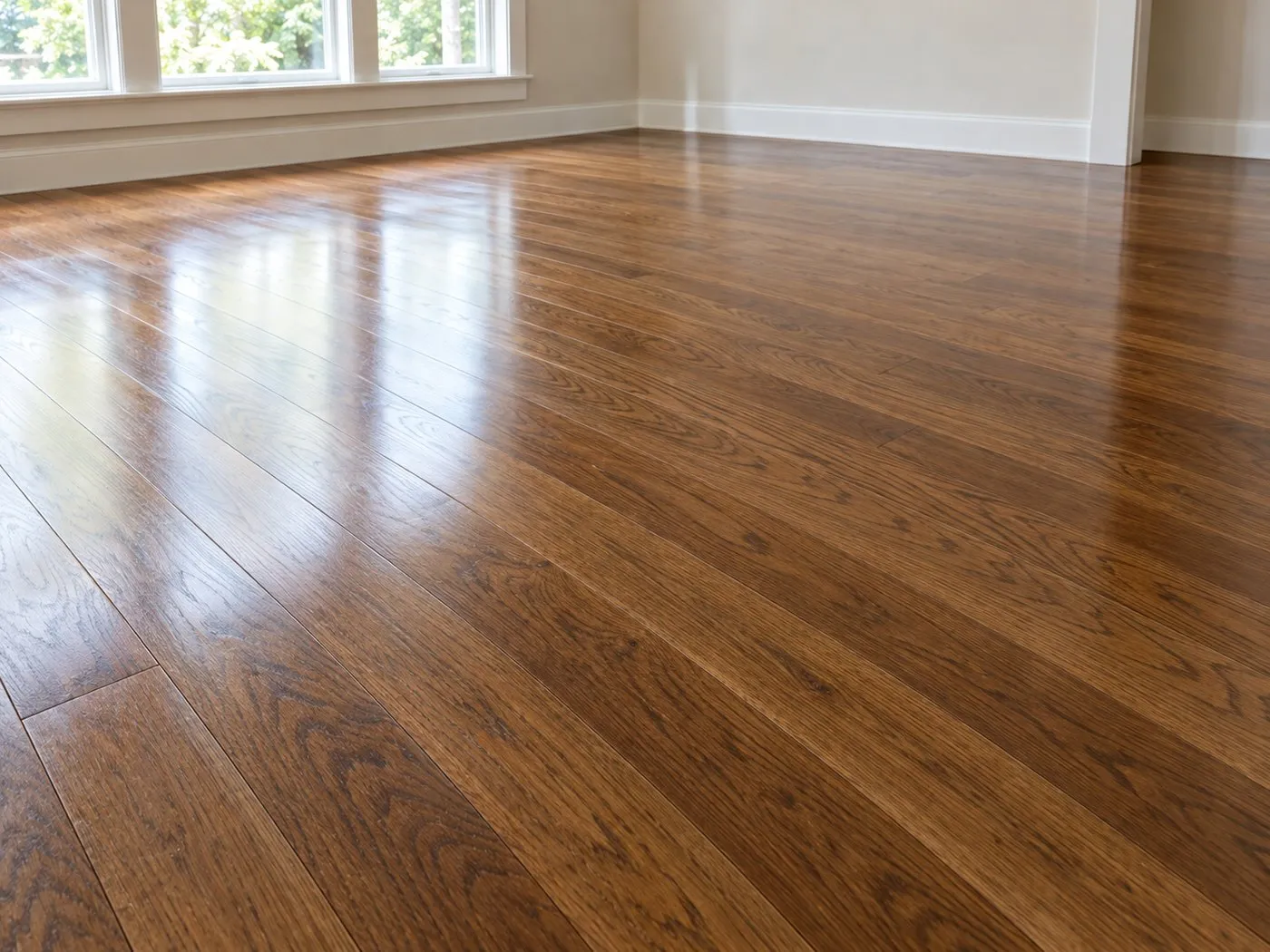
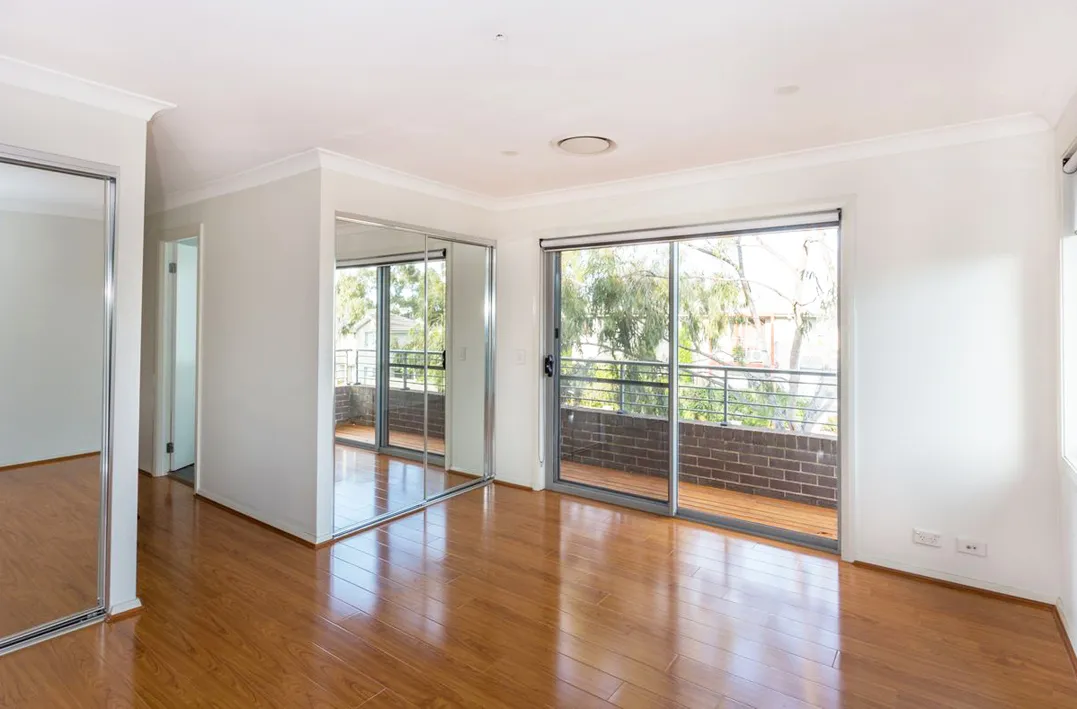
Medium brown hides scuffs and fur well in a busy family room.
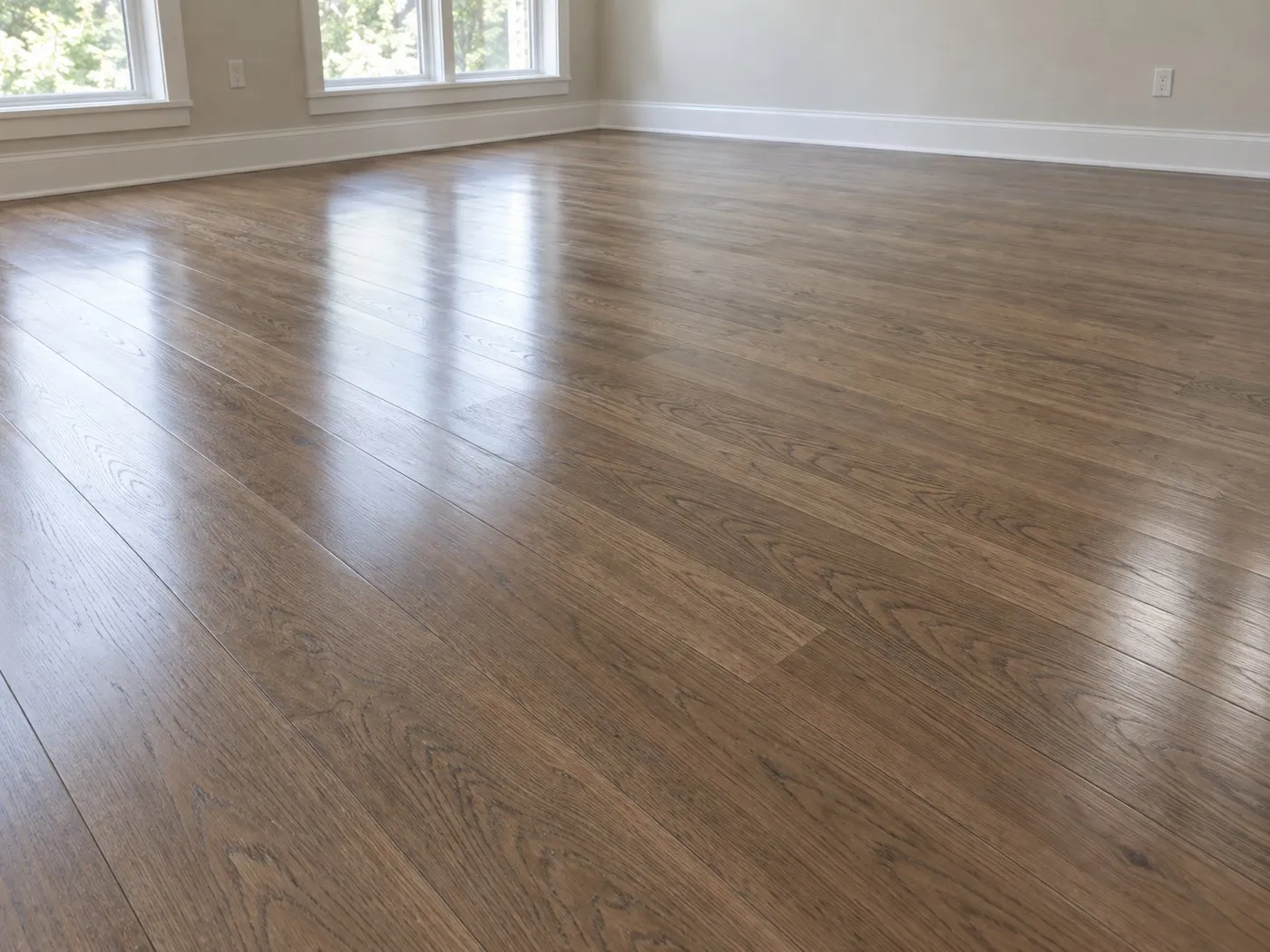
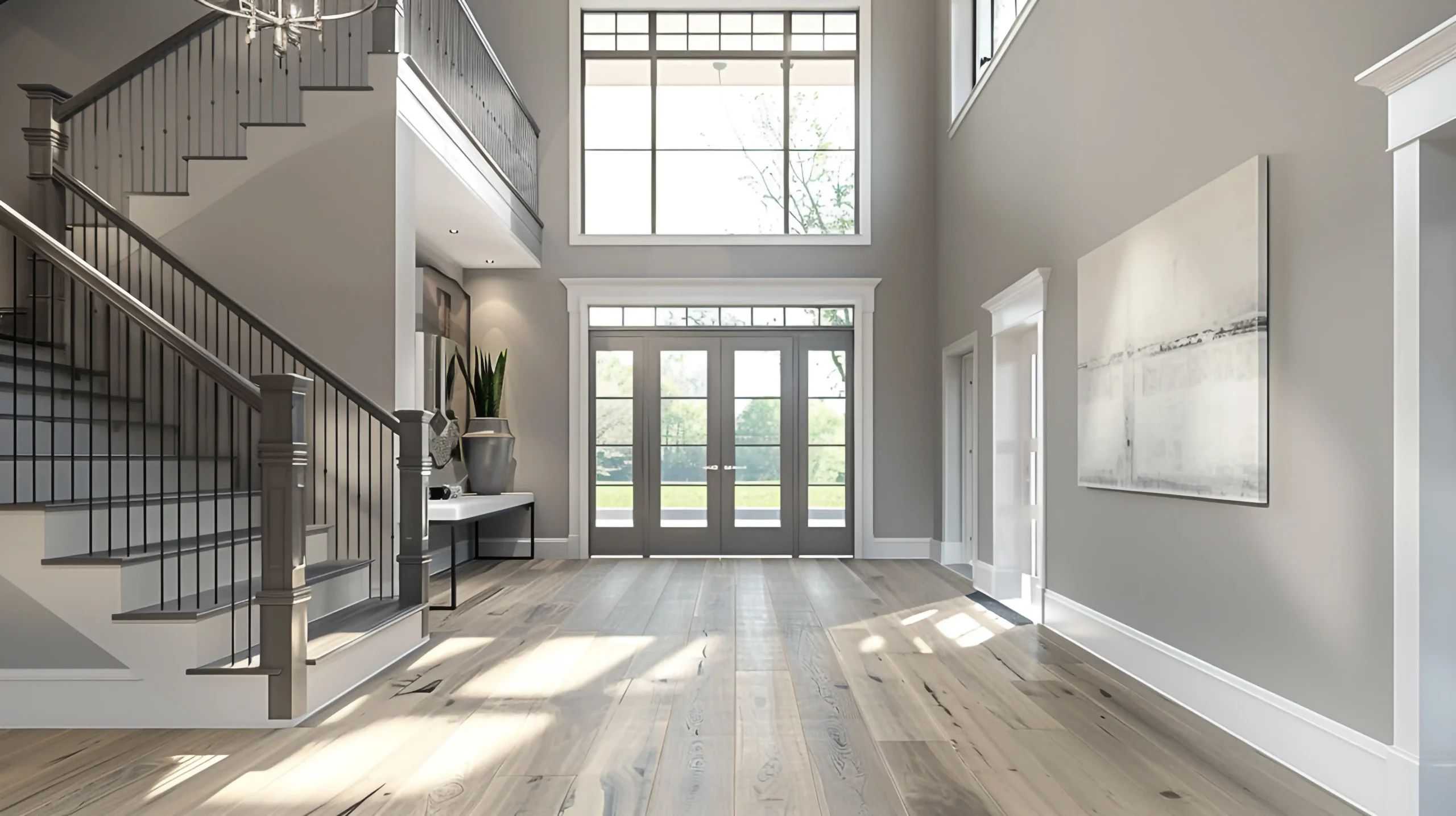
A cool gray-brown stain cuts the orange glow in red oak laid decades ago.

Golden oak with a hint of red warmth fits an older colonial near the green.

Deep walnut brings out every grain line, striking under a dining table.

A near-black finish looks sharp in a remodeled open plan, though dust and pet hair show sooner.

 Get your Free In-Home Estimate
It is $2.50/Sq Ft for sanding, your stain and three coats of poly. A floor in decent shape may need only a $1.00/Sq Ft screen and recoat.
Yes. Once the old finish is sanded away, a cooler stain cancels much of the red, and we put samples on your own boards first.
It depends on the square footage and whether you add stain. The estimator gives you a schedule and tells you when to stay off and when furniture can return.
Outside or behind a closed door while the crew works, and until we confirm the finish is ready for paws.
No. The sanders feed a sealed bag, and we vacuum and wipe down before any stain goes on.
Not necessarily. Leave a key in a lockbox or with a neighbor, since the crew returns each day until the last coat is down.
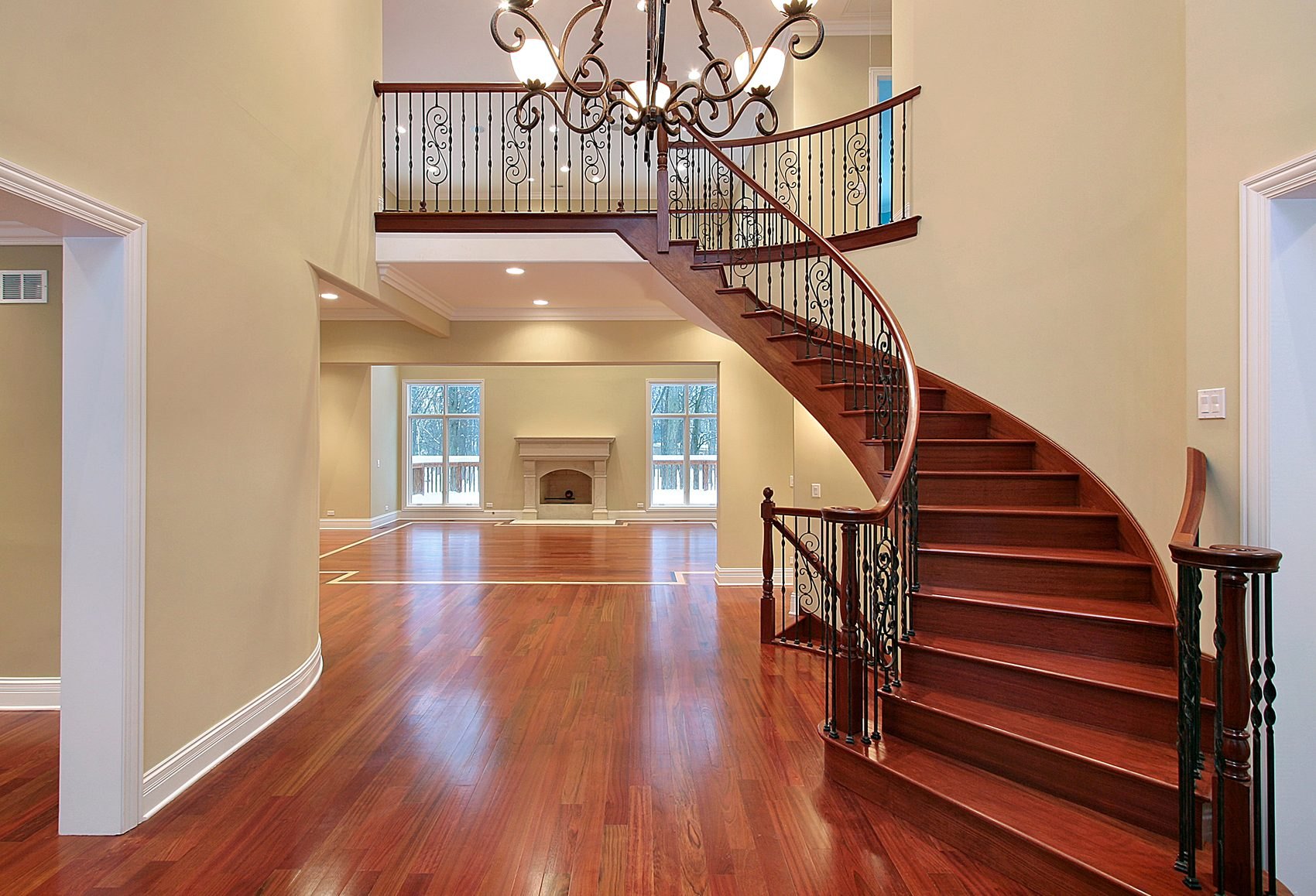
Fifty dollars per step with stain. Risers are not in that figure, and we sand each tread by hand.
No deposit holds the date. You pay half when sanding starts and the other half with the final coat.