Dustless Floor Refinishing
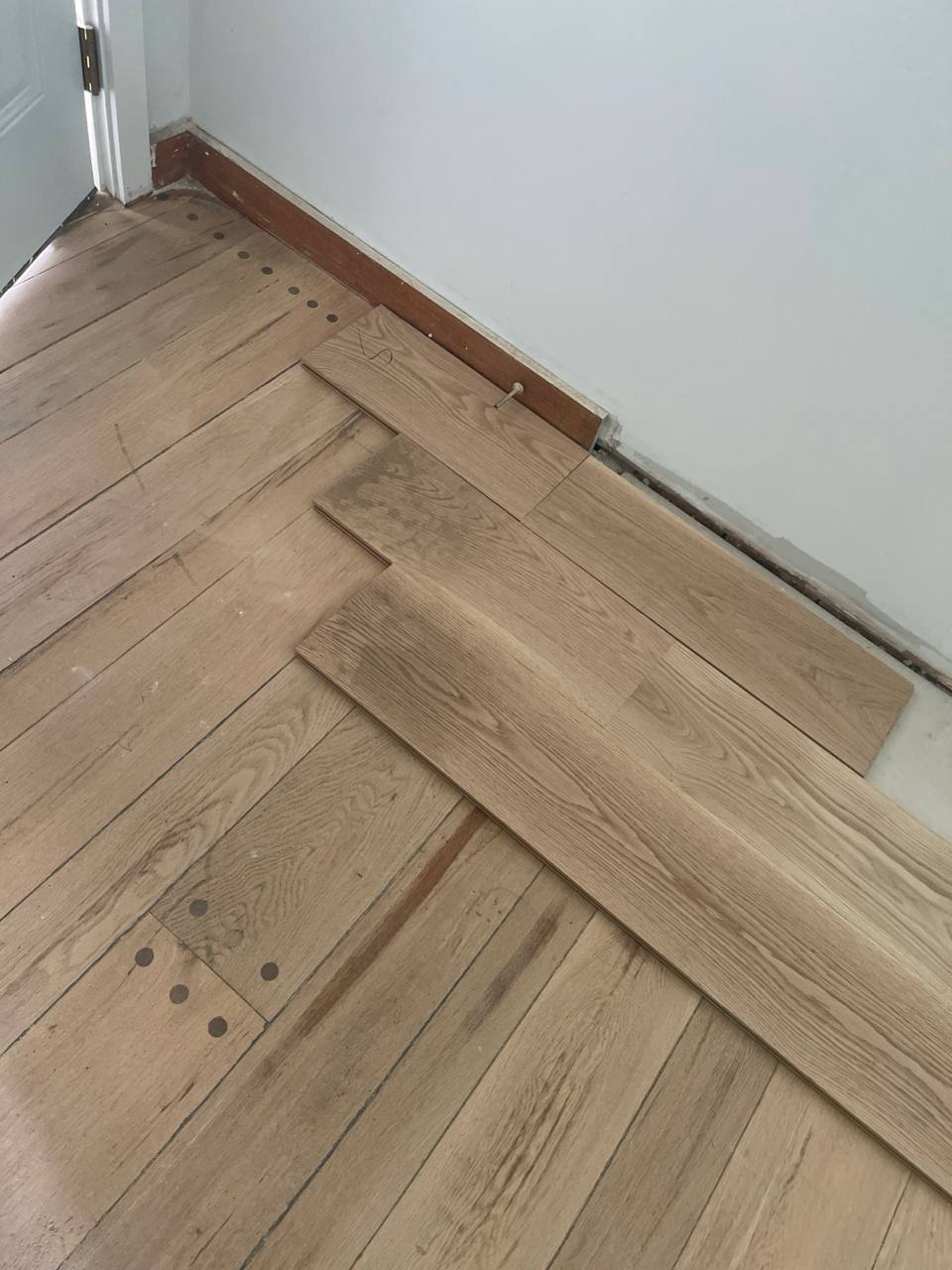
Mark scratches and discoloration so we can inspect them under direct light. Point out the area with the heaviest wear before choosing a sheen.



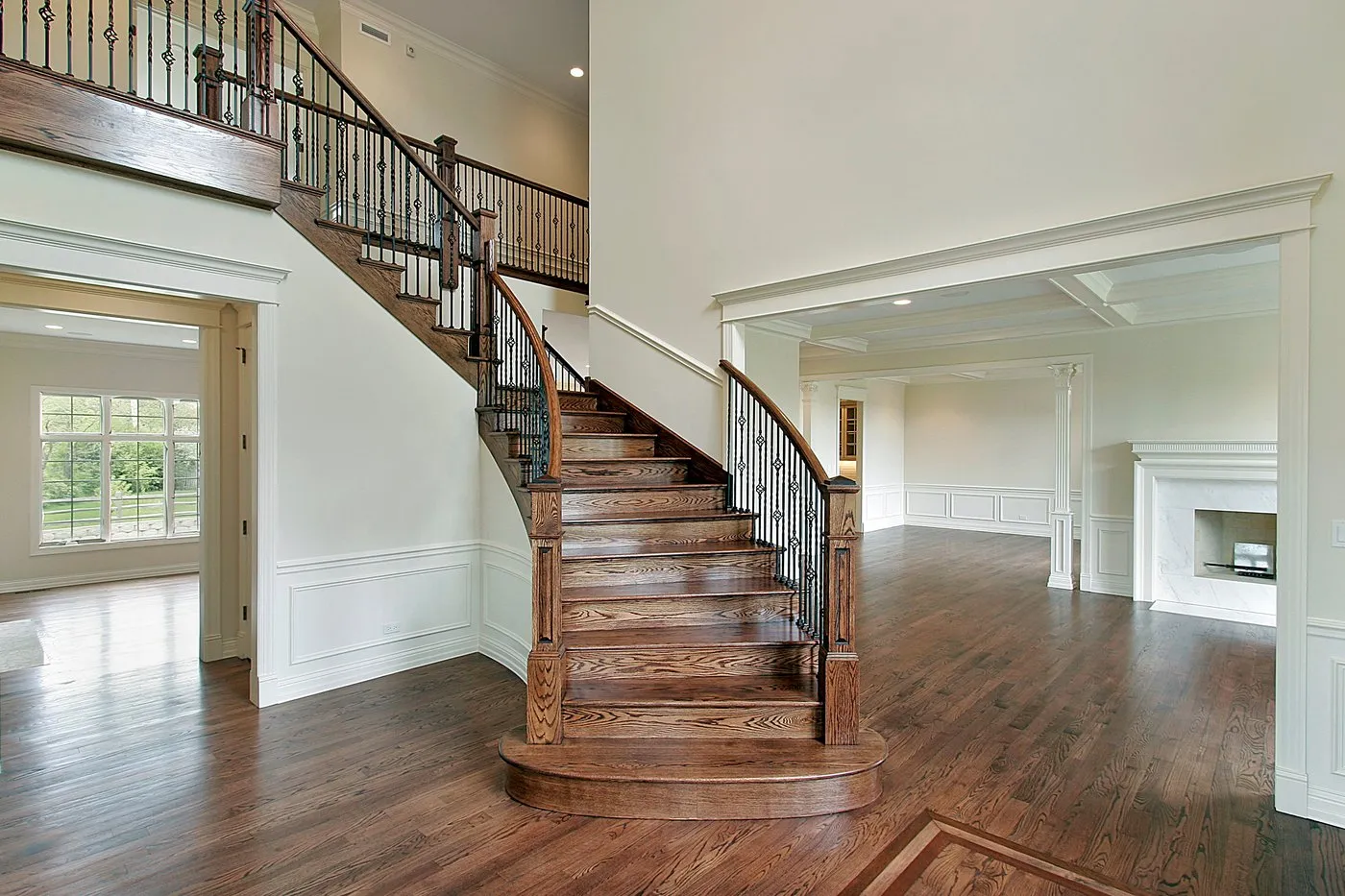
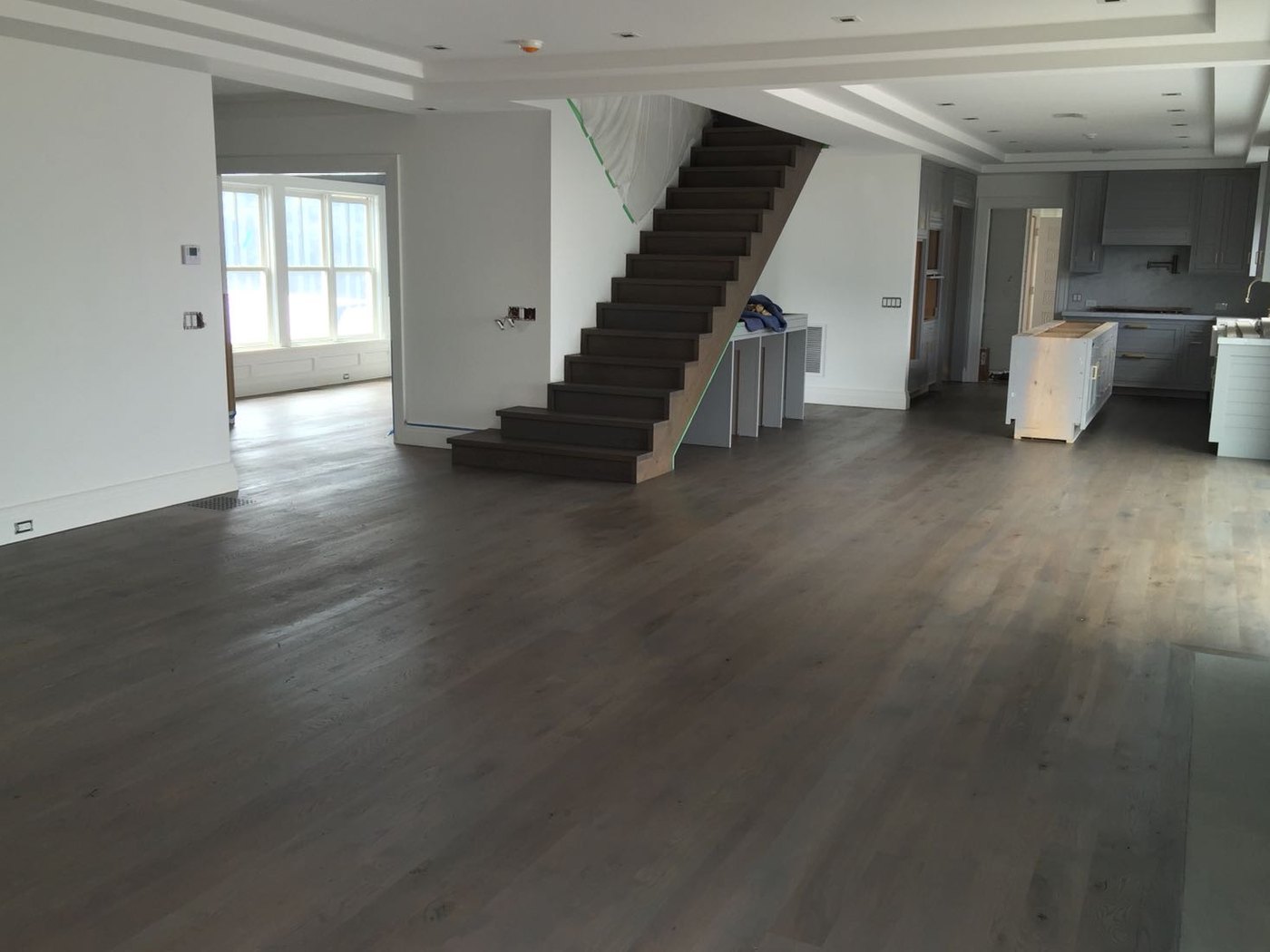

Mark scratches and discoloration so we can inspect them under direct light. Point out the area with the heaviest wear before choosing a sheen.

Compare stain trials beside the woodwork you plan to retain. Check which adjoining surfaces are staying. Discuss the entry route ahead of materials are ordered.

Near Avenue A, check prior sanding around vents or thresholds where the board edge can be seen. An estimate can identify project outside the main room.

Ask when you can walk, return furniture and put rugs down again. Include the neighboring room while you take pictures. Confirm the work area before scheduling a visit.

By Avenue A, a clear finish lets the original color and grain show after the wood is sanded.
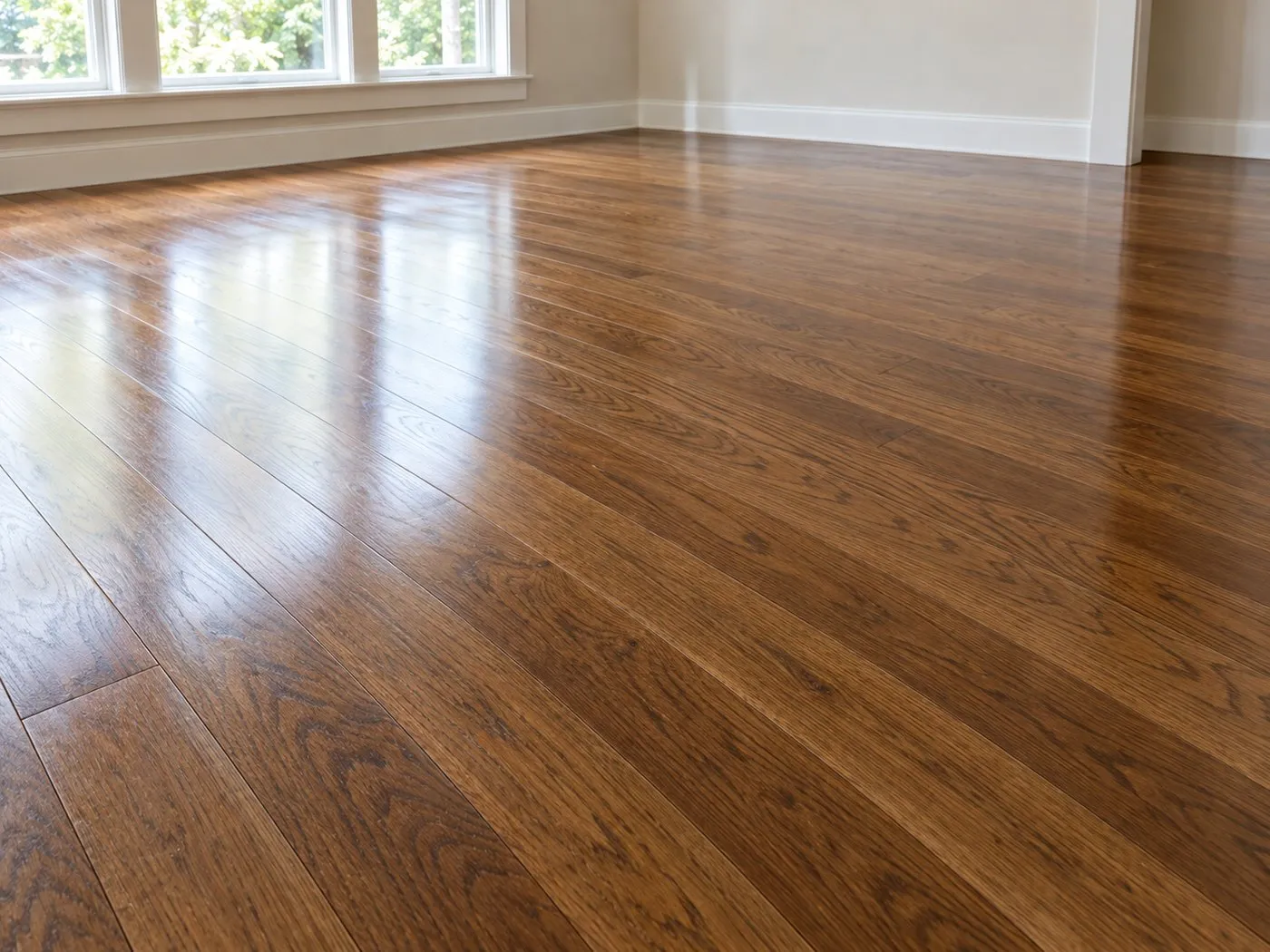
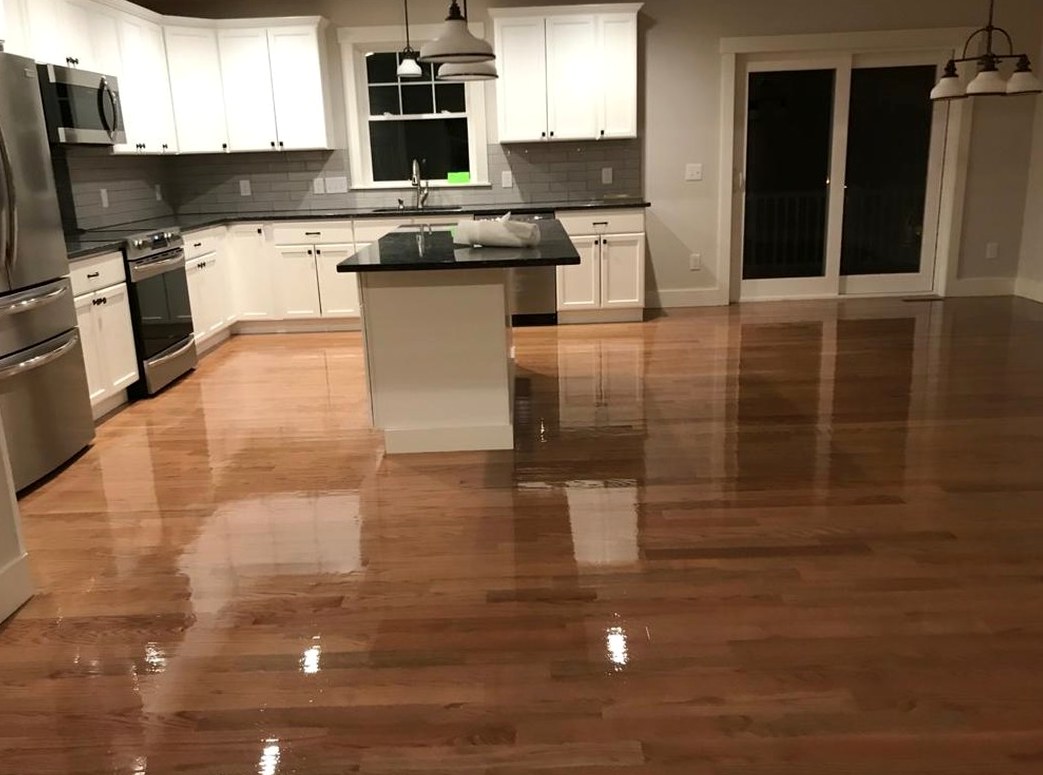
In East Village, a warm medium brown can soften the contrast between oak grain and everyday wear.
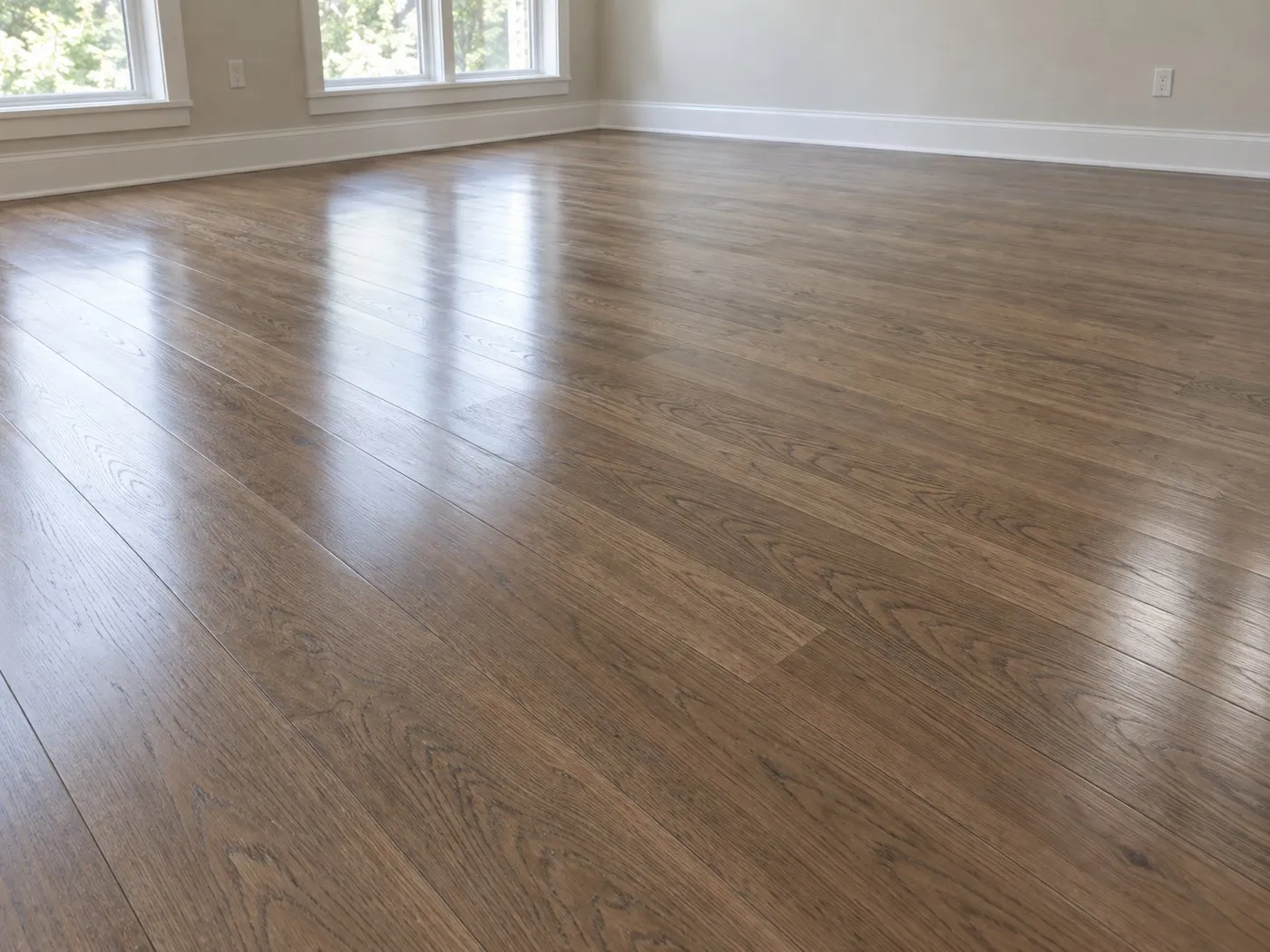
Try a neutral brown on prepared red oak and compare it with the surrounding trim. See samples by Avenue A.

By Avenue A, a rich brown with a red undertone can also draw out warmth near brick or painted wood.

A dark walnut trial helps show how much grain stays visible under the chosen finish.

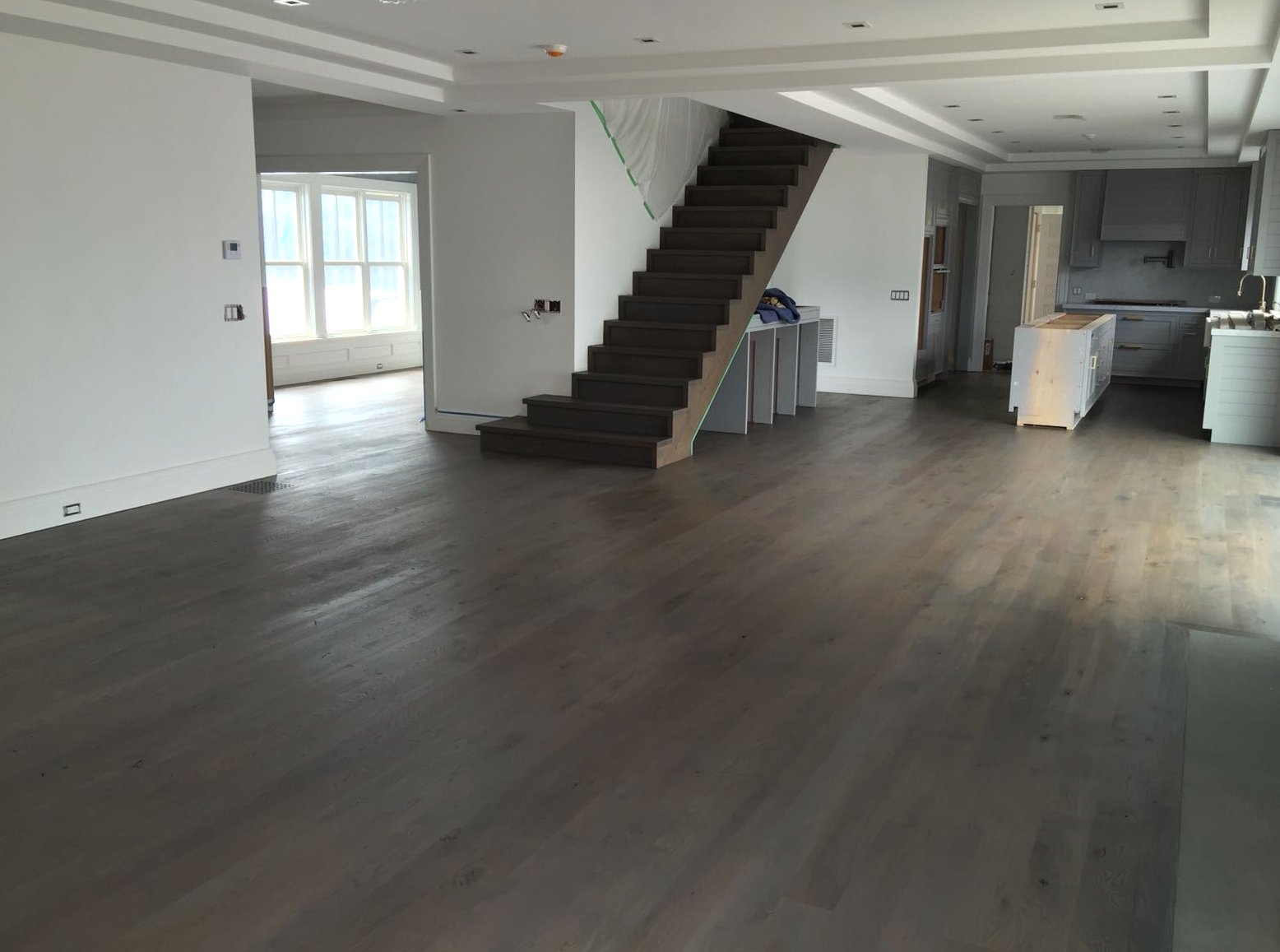
By Avenue A, espresso is nearly black. Test a sample in full daylight before choosing it for a large room. Check the edge at the doorway.
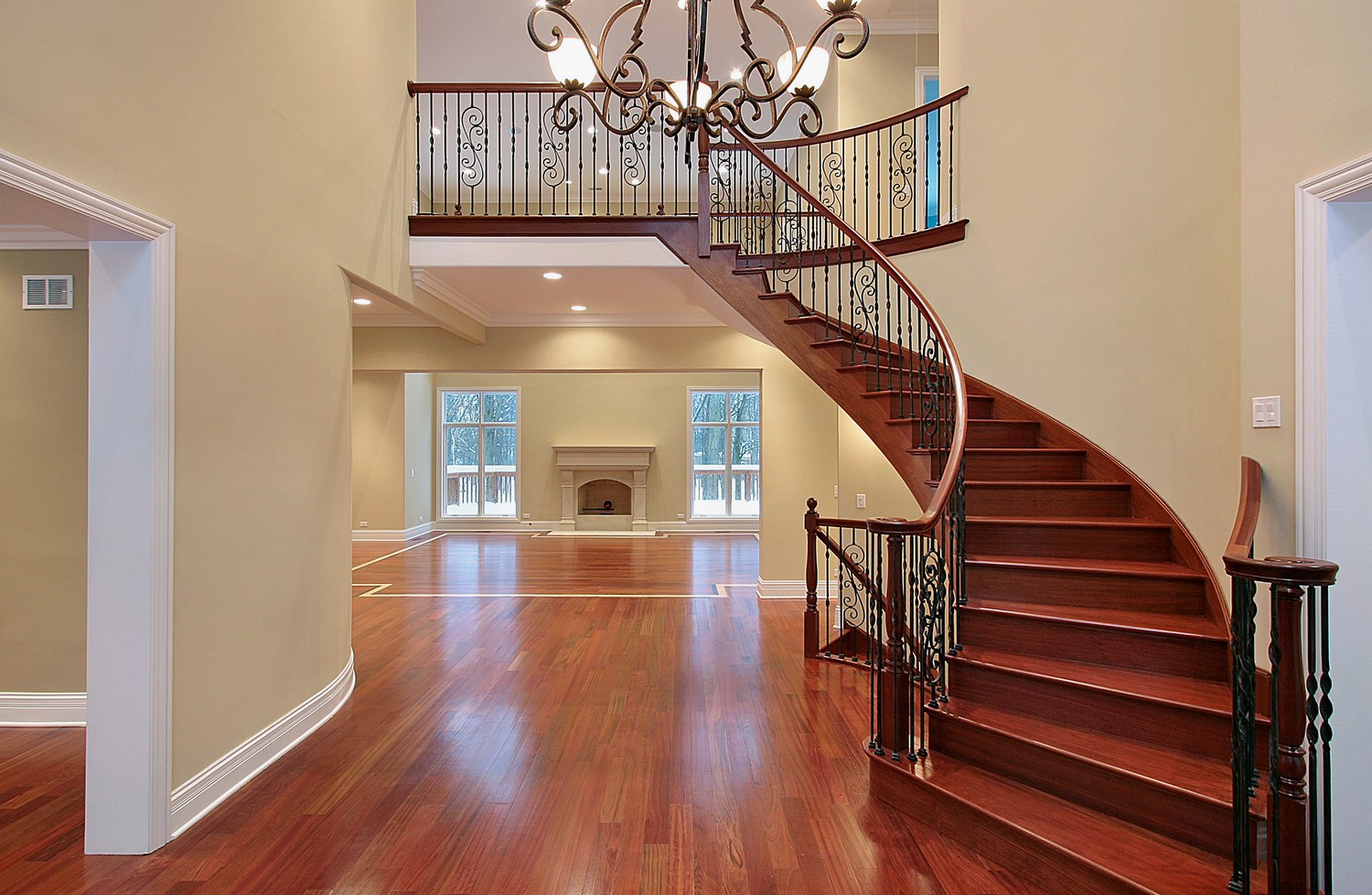
 Get your Free In-Home Estimate
Start with old finish, repairs and areas of heavy wear. Point out the area with the heaviest wear before choosing a sheen.
Point out a plank length that fits the stairwell in the photos you send. Point out the area with the heaviest wear before choosing a sheen.
Ask how the installer will handle the available wear layer and sheen. The assessment separates normal surface wear from boards that may need other work.
We inspect damaged or moving pieces first. Repairs that affect the finished surface belong in the work plan before sanding.
Request a written hardwood floor refinishing estimate for the boards and rooms in scope. Any separate repair should be identified before work begins.
We can look for a suitable dividing point. Continuous boards may show a line if the two areas receive different work.
A dark color alone does not determine sanding depth. Previous work and the condition of the boards govern what is practical.
Show us old invoices or repairs if you have them. We look at the remaining wear surface before agreeing to sand again.