Dustless Floor Refinishing
Ask how dust is collected during sanding and how adjacent rooms will be protected and cleaned.



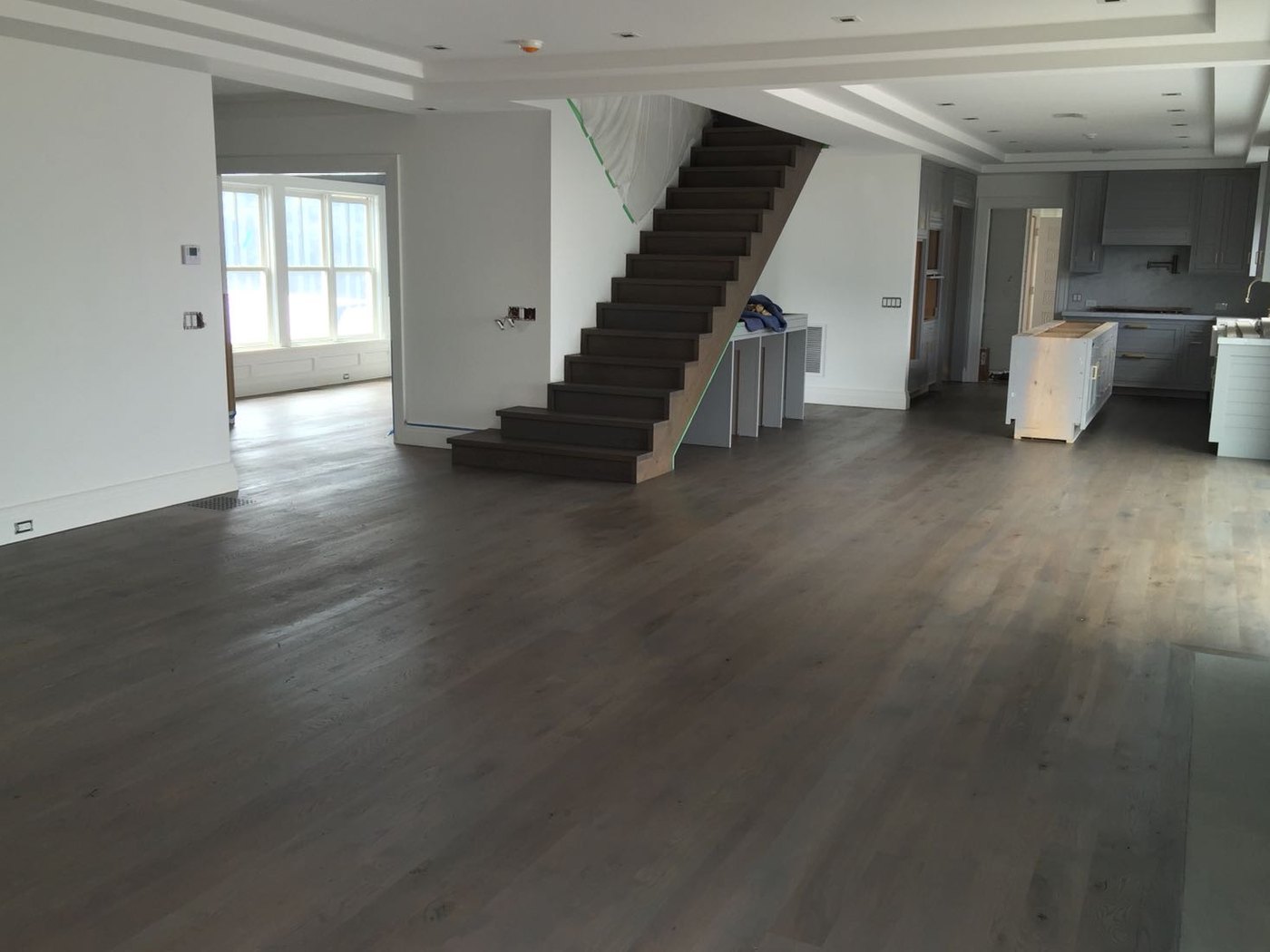

Ask how dust is collected during sanding and how adjacent rooms will be protected and cleaned.

Confirm how repairs, coats, temperature and humidity affect the sanding schedule and return to use.

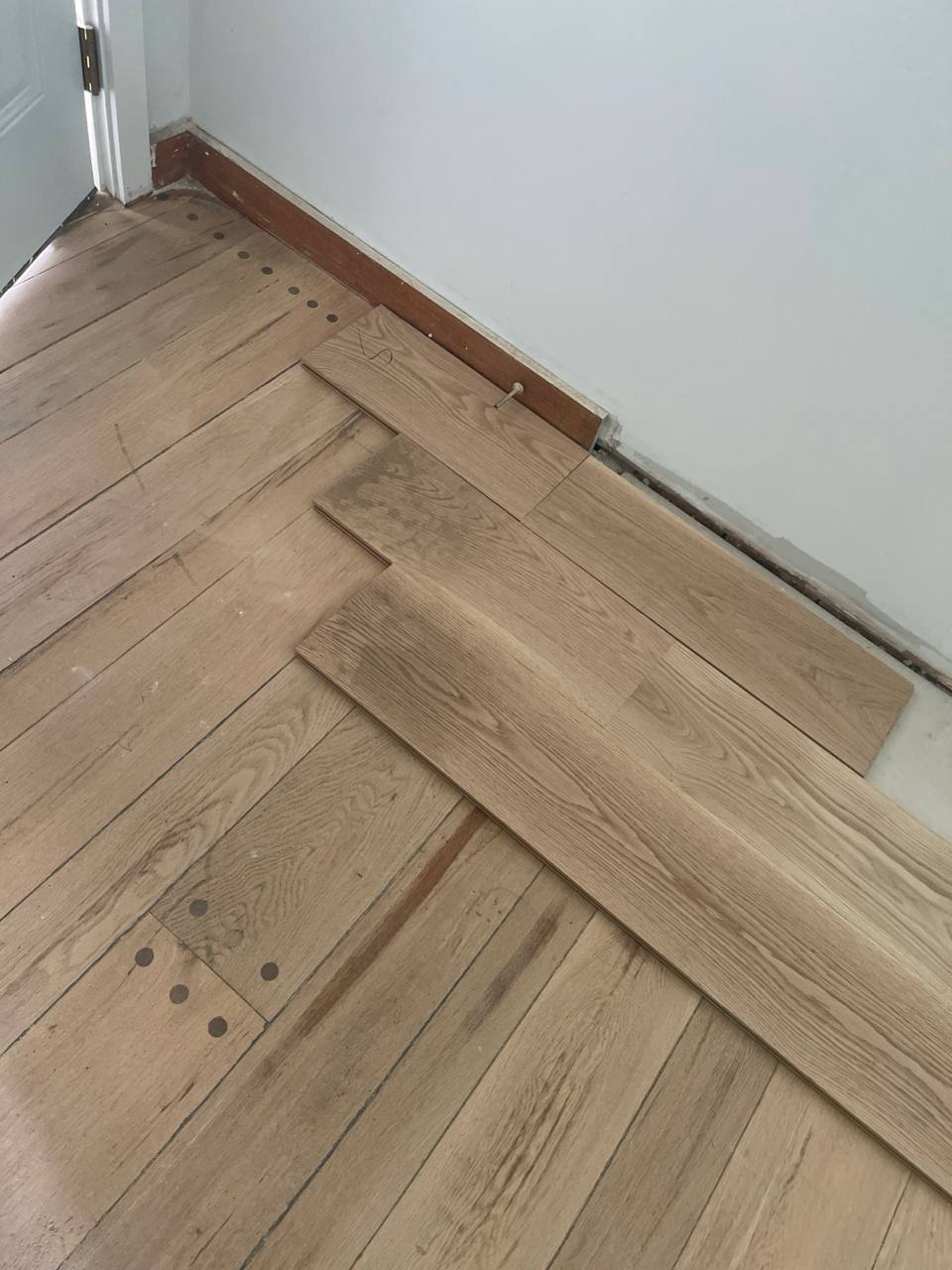
Include split boards and patches in the survey before deciding whether a continuous floor can be sanded together.

Keep the written workmanship terms and the finish manufacturer’s dates for foot traffic, furniture and rugs.

Use a clear finish trial to judge the natural color and grain once the old coating has been removed.
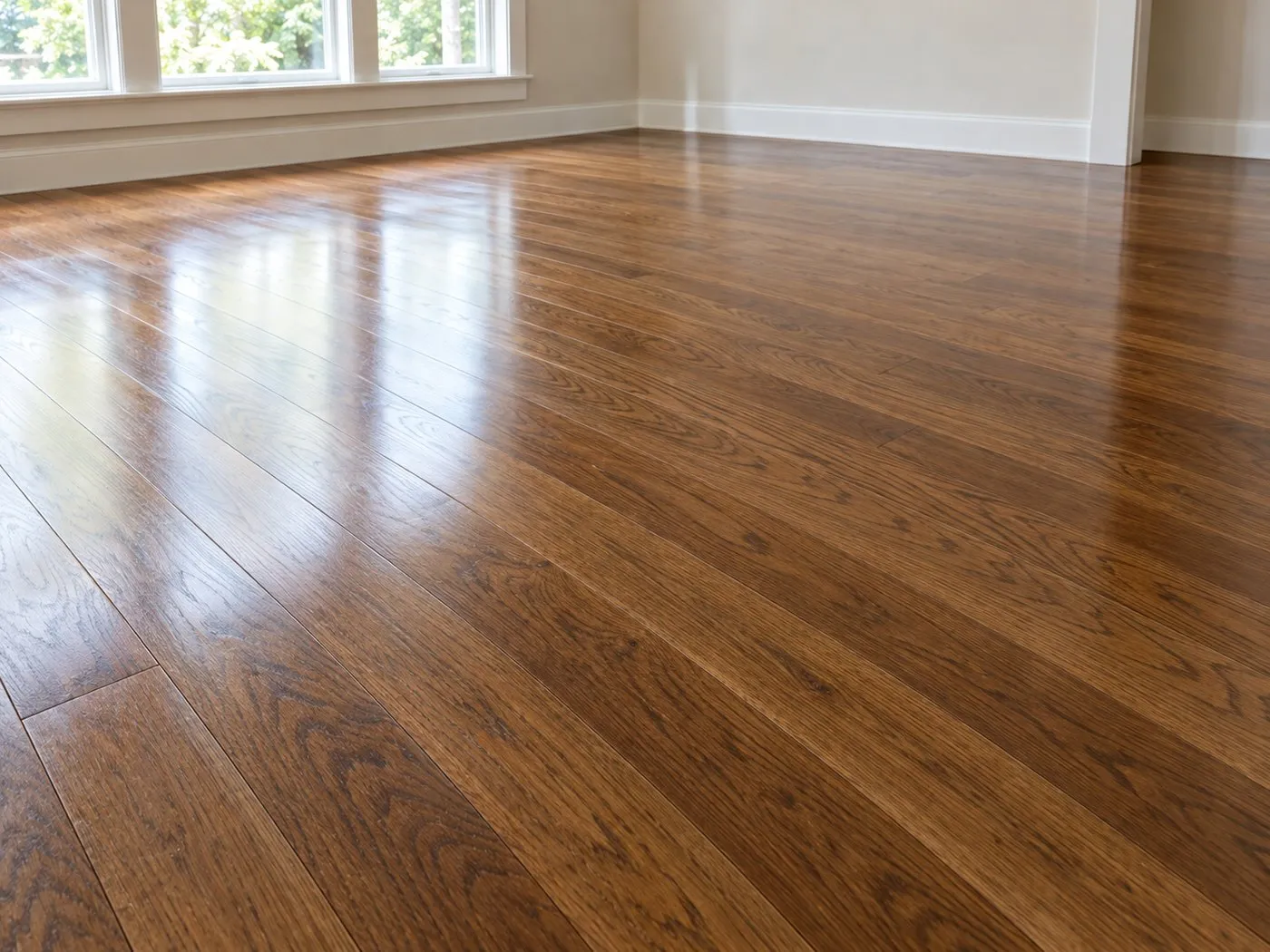
Special Walnut can look different on old and replacement boards. Review a dry trial beside the trim.
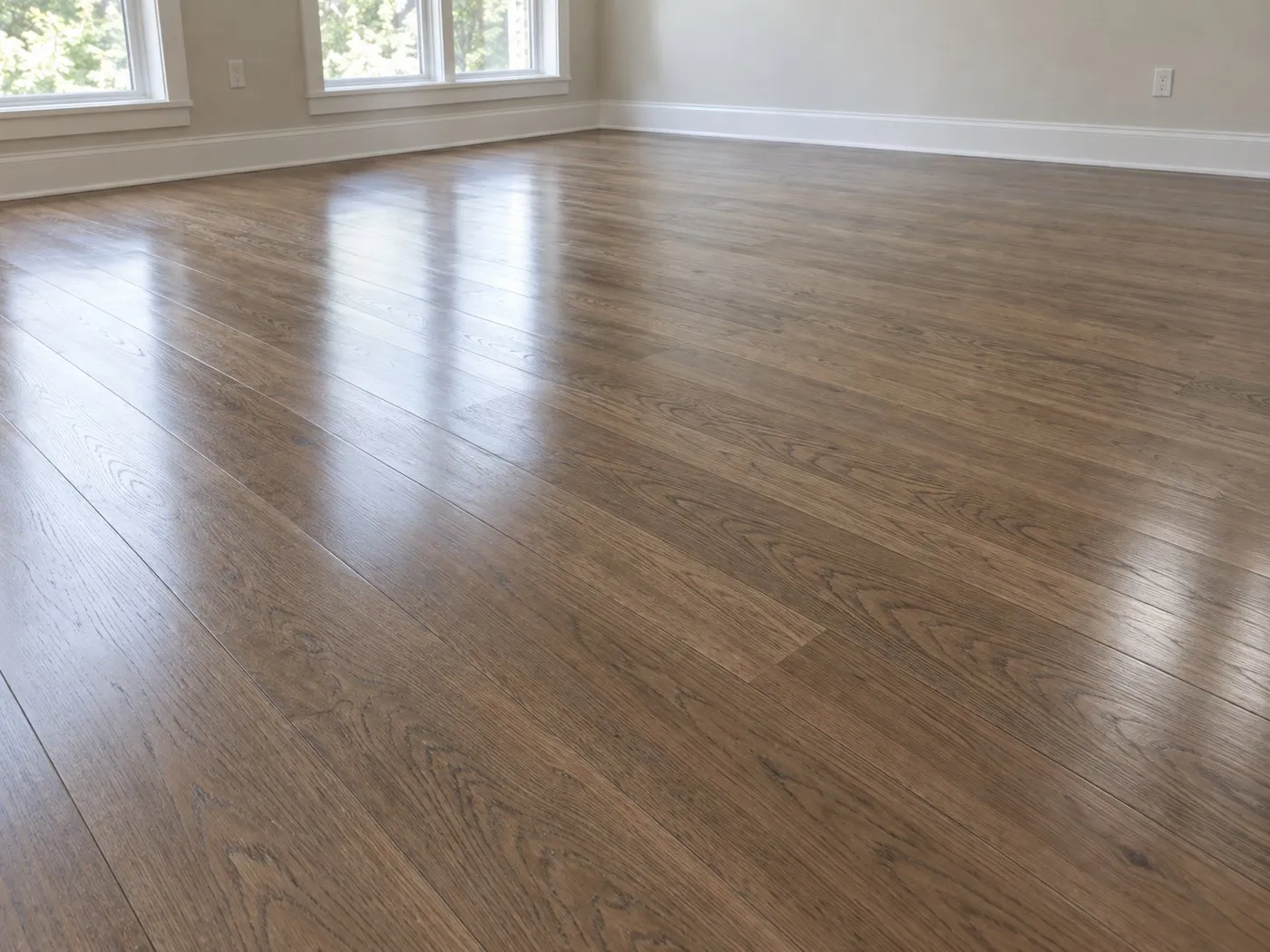
Check a Provincial stain sample on the same wood and sanding preparation planned for the rest of the floor.

Early American should be evaluated with its final topcoat in the room where the wood will be used.

Compare Dark Walnut on the busiest and brightest sections before approving a darker finish throughout.

Let a Jacobean test cure enough to judge its depth in daylight and from adjacent rooms.
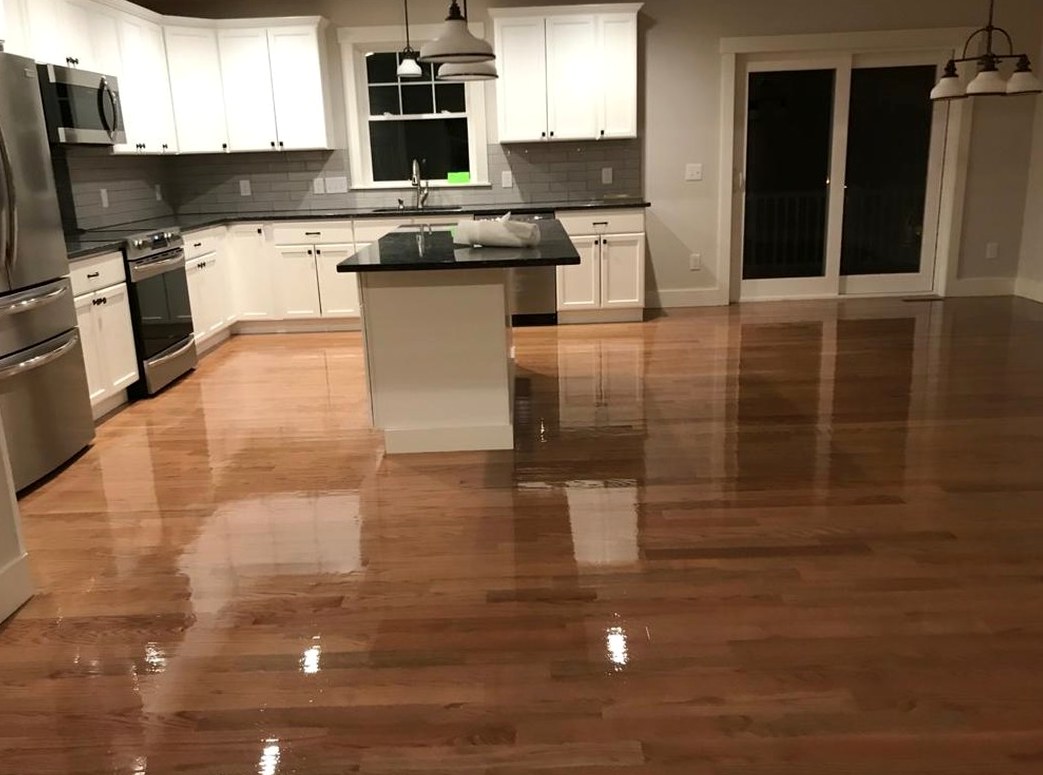
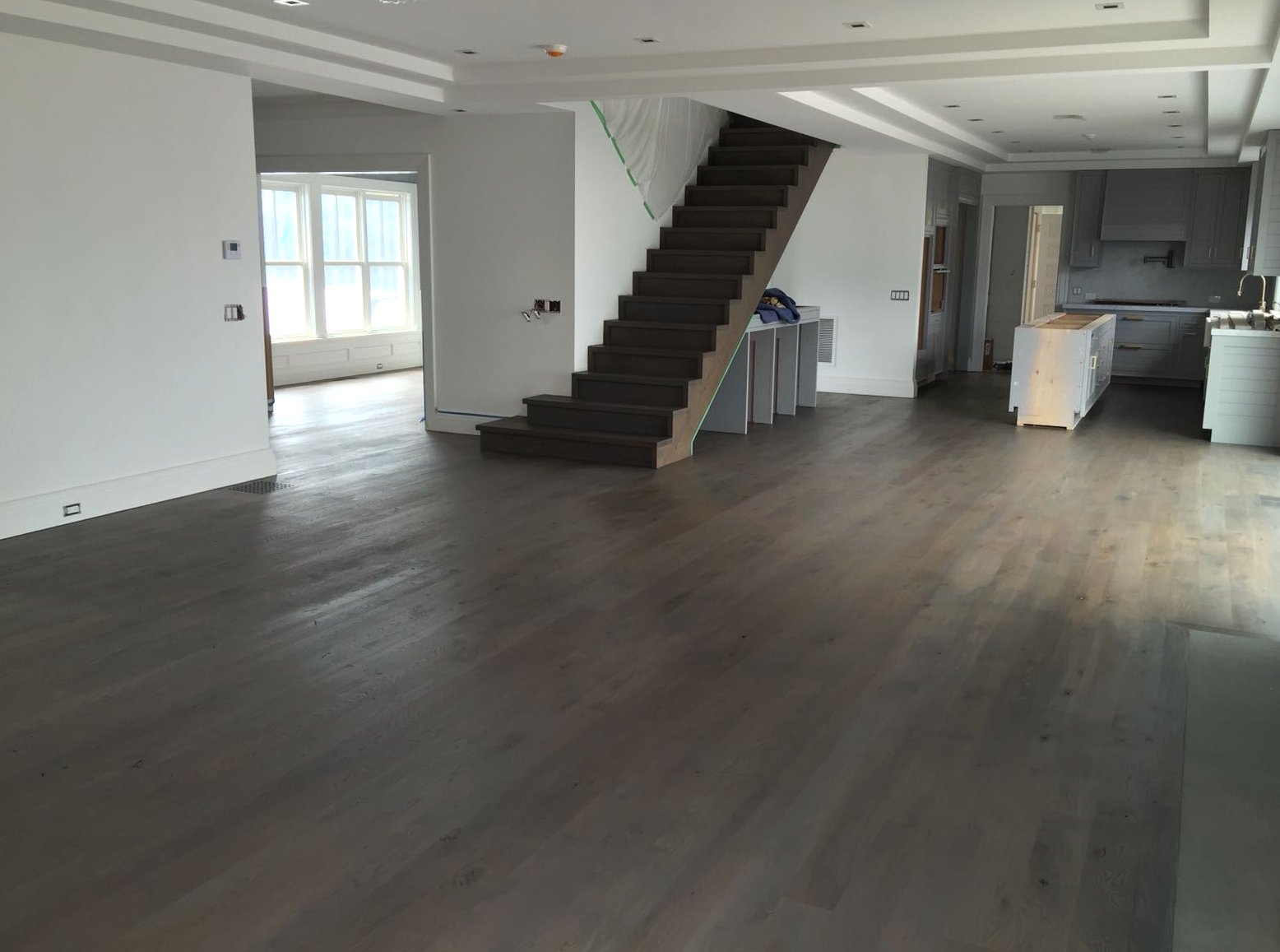
 Get your Free In-Home Estimate
In a Sundown room with an old pine floor, check board thickness and fastener depth before setting the sanding sequence.
Test a small area of Sundown pine to judge remaining marks and color after sanding.