Dustless Floor Refinishing
For Babylon sanding, plan dust collection and adjacent-room protection. Allow for cleanup because collection cannot capture all particles.



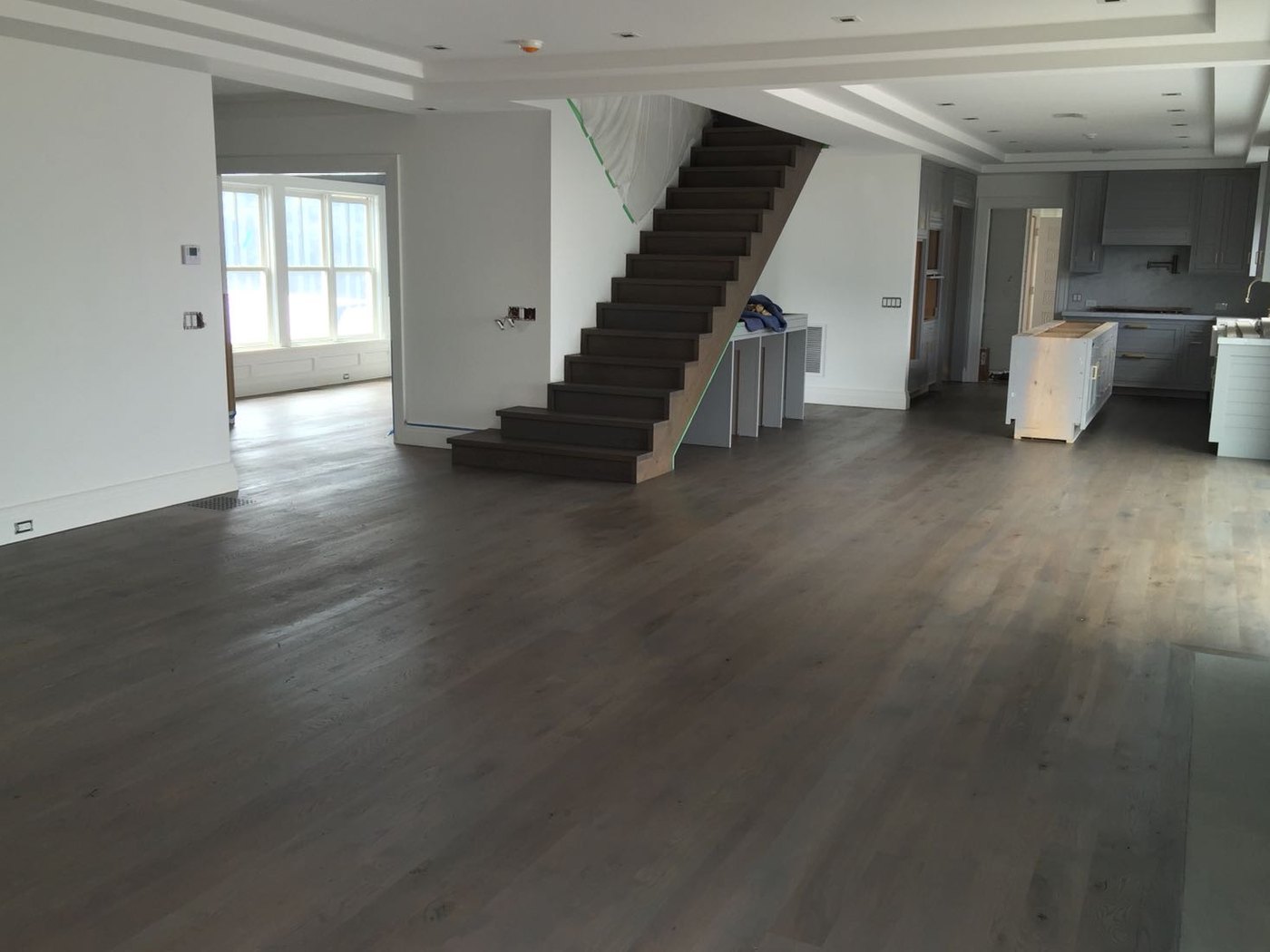

For Babylon sanding, plan dust collection and adjacent-room protection. Allow for cleanup because collection cannot capture all particles.

A three-to-five-day Babylon refinishing schedule depends on repairs and coating intervals. Confirm the selected system before booking.

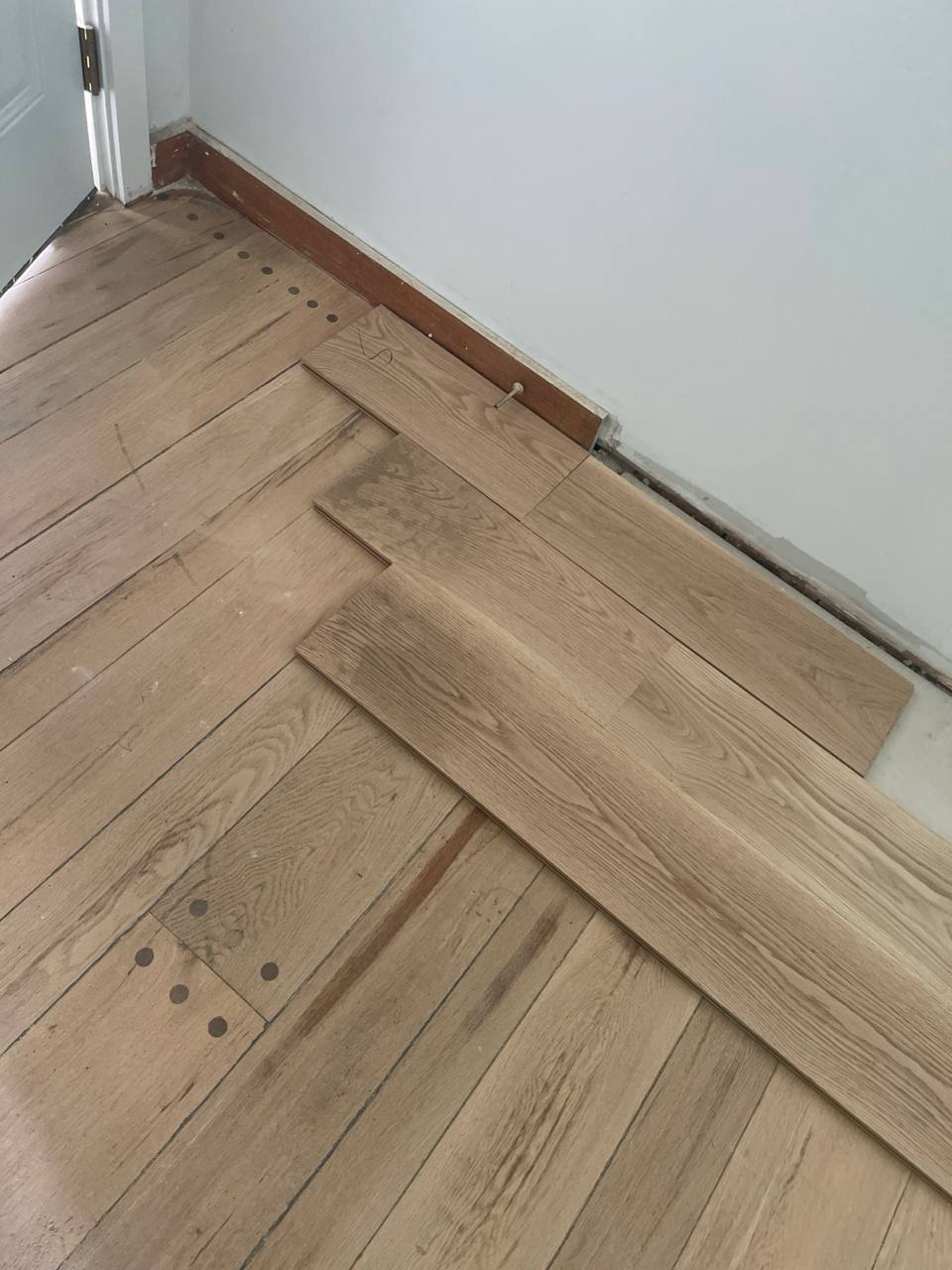
Repair damaged Babylon boards before sanding begins. Identify loose sections and past patches that may require replacement.

Review the one-year Babylon refinishing workmanship warranty. Keep the agreed work scope and finish maintenance directions.

A natural Babylon floor can use clear finish without colored stain. View a sample to see the wood response.
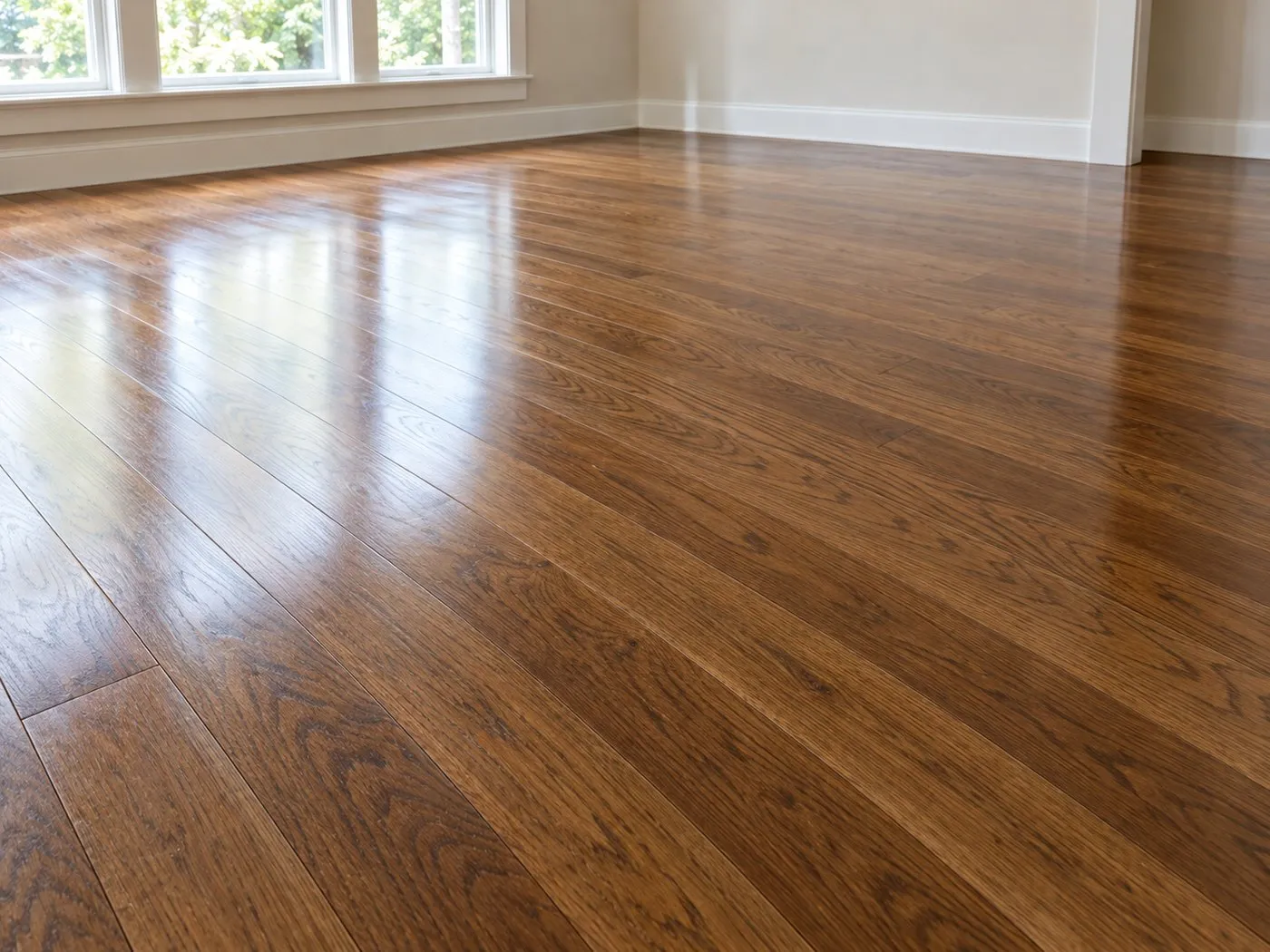
Test Special Walnut on prepared North Babylon boards. Compare results beside retained doors and casings.
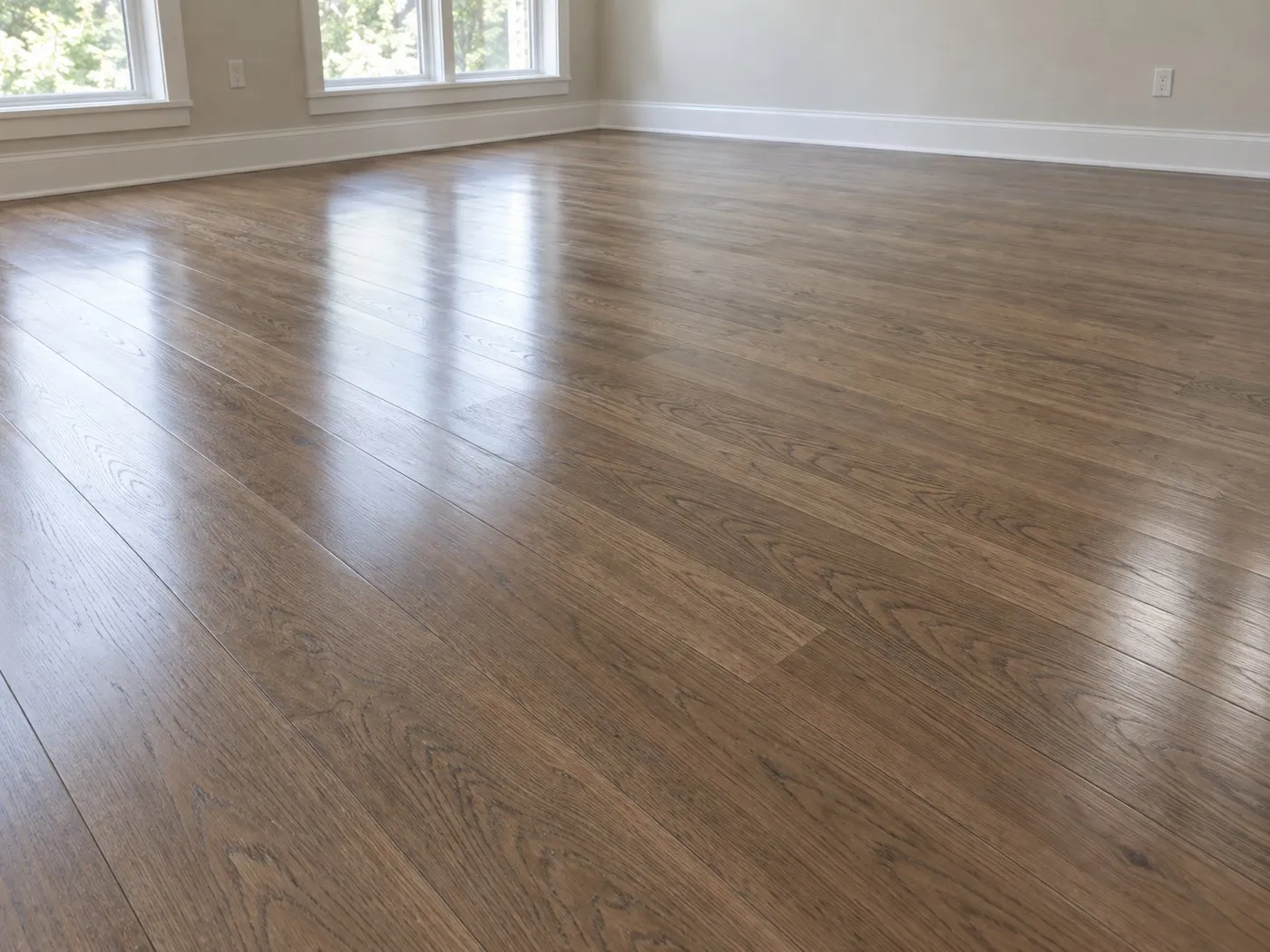
Provincial calls for a sample on the Babylon wood. Check the color in daylight and with room lighting.

For West Babylon Early American stain, review old repairs and original boards. Their color response may differ.

Assess Dark Walnut on Babylon wood before full application. Consider the available light and the selected sheen.

Jacobean on North Babylon boards can appear different from a screen image. Select samples on prepared wood.
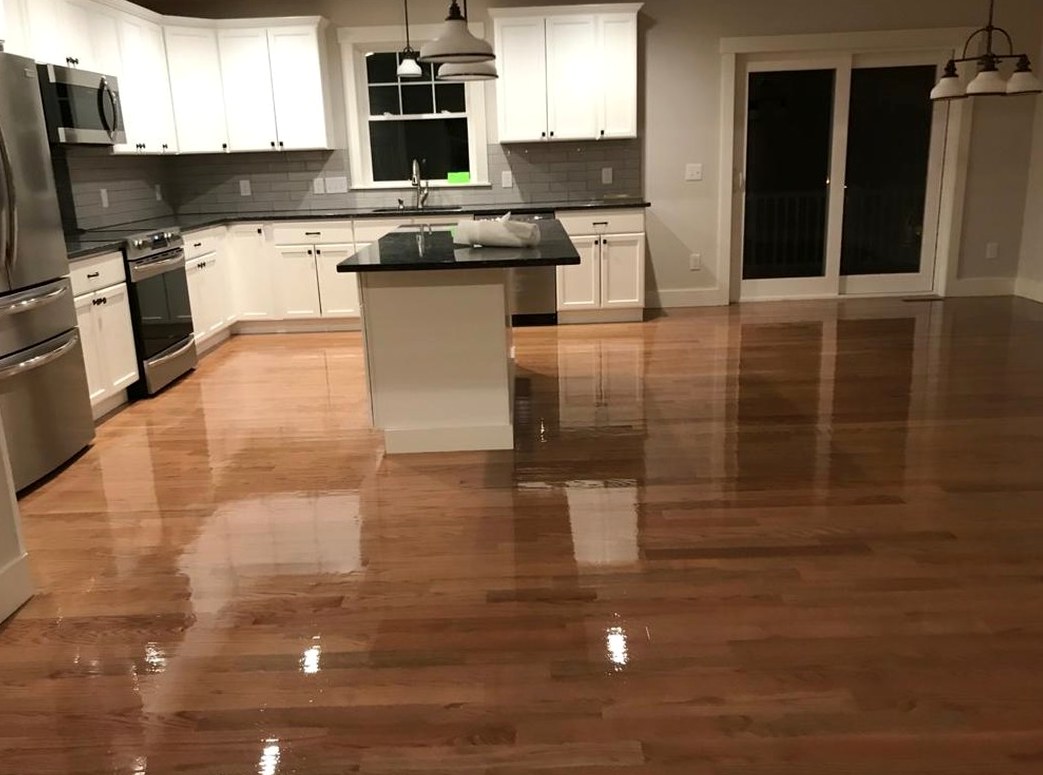
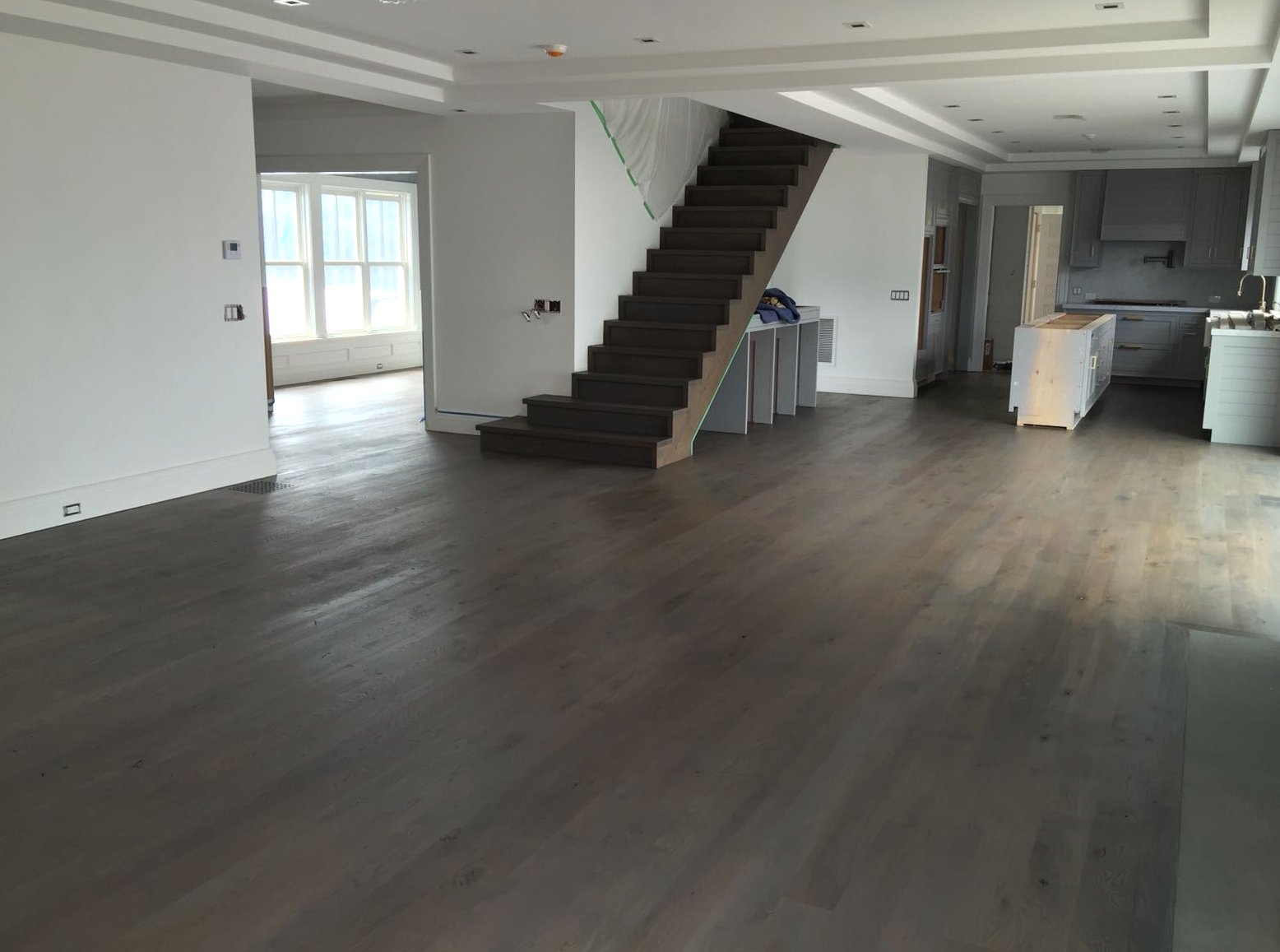
 Get your Free In-Home Estimate
Specify whether the property is in Babylon Village or another town community, such as West Babylon or Deer Park. Photograph the rooms and any changes where an addition joins the original house. The town's history of extensive postwar building makes earlier renovation records useful context, but the assessment still needs the actual wood, damage and prior sanding history.
Babylon experienced major suburban expansion in the middle of the twentieth century. If your home retains boards from an earlier layout, have their usable depth and condition checked before removing them. Identify additions or patched sections separately. Keeping sound material may involve repairs and a planned finish boundary, while damaged or thin areas need their own treatment decision.
West Babylon is part of the town's established residential area. In a house with later additions, show where the old and newer wood meet and explain which rooms you want restored. Compare prepared stain samples across those sections. A difference in species, grain or previous sanding may require a deliberate transition rather than treating every board as identical.
The village Building Department oversees alterations inside Babylon Village. When room layouts or building work are changing, confirm the overall sequence before scheduling sanding. Finish dusty construction first, define the surfaces that remain, and coordinate household access for coating. Ask separately about permitted foot traffic and furniture return because the selected finish, not the delivery date, determines those intervals.
Inspect construction and remaining wear material before committing to sanding. Earlier work can leave some areas too thin, and deep damage may call for replacement instead of further surface removal.
Collection equipment reduces sanding dust, while protection and cleanup remain necessary. Agree on how adjacent rooms and household contents will be handled before the restoration begins.
The sequence depends on repairs, color treatment and coating instructions. Establish a project-specific calendar and distinguish crew visits from curing time before deciding when rooms can return to use.
Yes. Review the stain on prepared boards and consider the protective finish together with it. Room lighting and retained woodwork can change how that combination is perceived.